
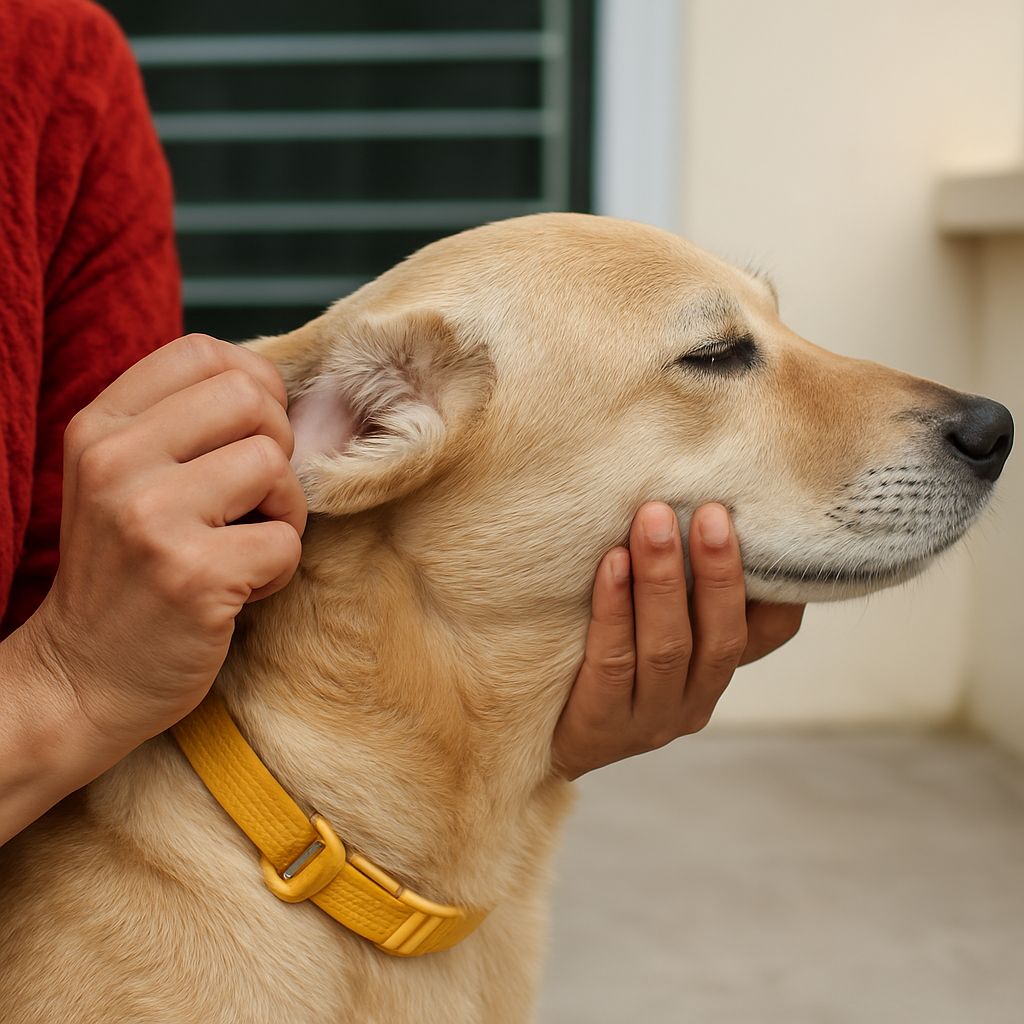
Finding a small bump on your dog’s coat can send most pet owners into a brief spiral of worry. The most important question to answer first is whether you’re looking at a skin tag on dog skin or something more urgent, like a tick. These two look remarkably similar at a glance, especially when a dog skin tag or tick question arises on a wiggly, fur-covered animal. Knowing how to distinguish between a tick or skin tag on dog skin quickly can protect your dog from a tick-borne illness or prevent unnecessary panic over a harmless growth. If the bump is actively bleeding, if you are unsure what you are looking at, or if you want to know how to remove a skin tag on a dog without causing harm, this guide will walk you through each scenario.
Skin tags are extremely common in dogs and almost always benign. Ticks are external parasites that require prompt removal and can transmit serious diseases. The two are often confused because both can appear as small, soft, raised bumps attached to the skin, sometimes in the same locations — neck, ears, armpits, and groin.
What Does a Skin Tag on a Dog Actually Look Like?
Canine skin tags — medically called acrochordons or fibroepithelial polyps — are soft, fleshy, pedunculated (stalk-like) growths attached to the skin by a narrow base. They are typically the same color as your dog’s surrounding skin or slightly darker. They move freely when touched, feel smooth, and don’t have legs. Older dogs develop them more frequently, and certain breeds including Boxers, Poodles, and Cocker Spaniels are prone to multiple tags throughout their lives. A tag that has been scratched or snagged on something may look slightly irritated or swollen around the base, but it will not move independently or grow larger over short periods.
Dog Skin Tag or Tick: How to Tell the Difference
A flat or pea-sized bump that feels rigid and has visible legs — even partially buried in fur — is almost certainly a tick. An engorged tick feeding on blood becomes oval and balloon-like, ranging from sesame-seed size to grape size depending on how long it has been attached. Run a finger around the bump: ticks have a head embedded in the skin, while a dog skin tag or tick look-alike will have a smooth stalk with no burrowing point. Part the fur and look at the attachment site under good light. If you see legs, use a fine-tipped tick removal tool immediately and do not try to burn or suffocate the parasite.
Why Tick or Skin Tag on Dog Identification Matters for Health
Getting the tick-or-skin-tag identification right is time-sensitive specifically because ticks transmit Lyme disease, ehrlichiosis, anaplasmosis, and Rocky Mountain spotted fever — diseases that become harder to treat the longer the tick stays attached. Most transmission risk increases significantly after 24–48 hours of attachment. Treating a tick as a harmless tag and leaving it in place is therefore a meaningful health risk. On the flip side, aggressively picking or cutting at a benign skin tag thinking it is a parasite can cause unnecessary bleeding and open the skin to infection.
When Dog Skin Tag Bleeding Becomes a Concern
Dog skin tag bleeding usually happens when a tag gets caught on furniture, a collar, or is scratched open by the dog. Mild bleeding from a minor snag will typically stop with gentle pressure and is not a medical emergency. Apply clean gauze and hold light pressure for 2–3 minutes. Clean the area with a dilute chlorhexidine solution if available. However, dog skin tag bleeding that does not stop within 10 minutes, recurs repeatedly, or is accompanied by swelling, discharge, or odor needs veterinary attention. Any tag that grows rapidly, changes color, develops an irregular surface, or becomes ulcerated should also be examined — these changes warrant a biopsy to rule out mast cell tumors or other skin growths that can mimic benign tags.
How to Remove a Skin Tag on a Dog: What Vets Recommend
The safest answer to how to remove a skin tag on a dog is: let your veterinarian do it. At-home methods involving thread, scissors, or over-the-counter freeze products risk infection, incomplete removal, excess bleeding, and pain. Your vet may use surgical excision (quick, clean removal under local or general anesthesia depending on location), cryotherapy (freezing the tag off), or electrosurgery for larger growths. Vet removal is especially important for tags near the eyes, ears, or on areas where the dog frequently scratches. After removal, most dogs recover quickly with minimal aftercare.
Home Care Tips While Waiting for a Vet Appointment
While scheduling a vet visit, prevent your dog from licking or scratching the area using a soft e-collar if needed. Keep the area clean and dry. Avoid applying human topical medications such as salicylic acid or tea tree oil — both are toxic or irritating to dogs. Check the tag daily for any change in size, color, or surface texture and note anything new to share with your vet.
Pro tips recap: Always distinguish a tick from a skin tag before acting — look for legs and a burrowing point. Seek prompt tick removal if in doubt. For genuine skin tags, monitor for bleeding, rapid growth, or surface changes, and leave removal to your veterinarian for the safest outcome.





Leave a Reply