
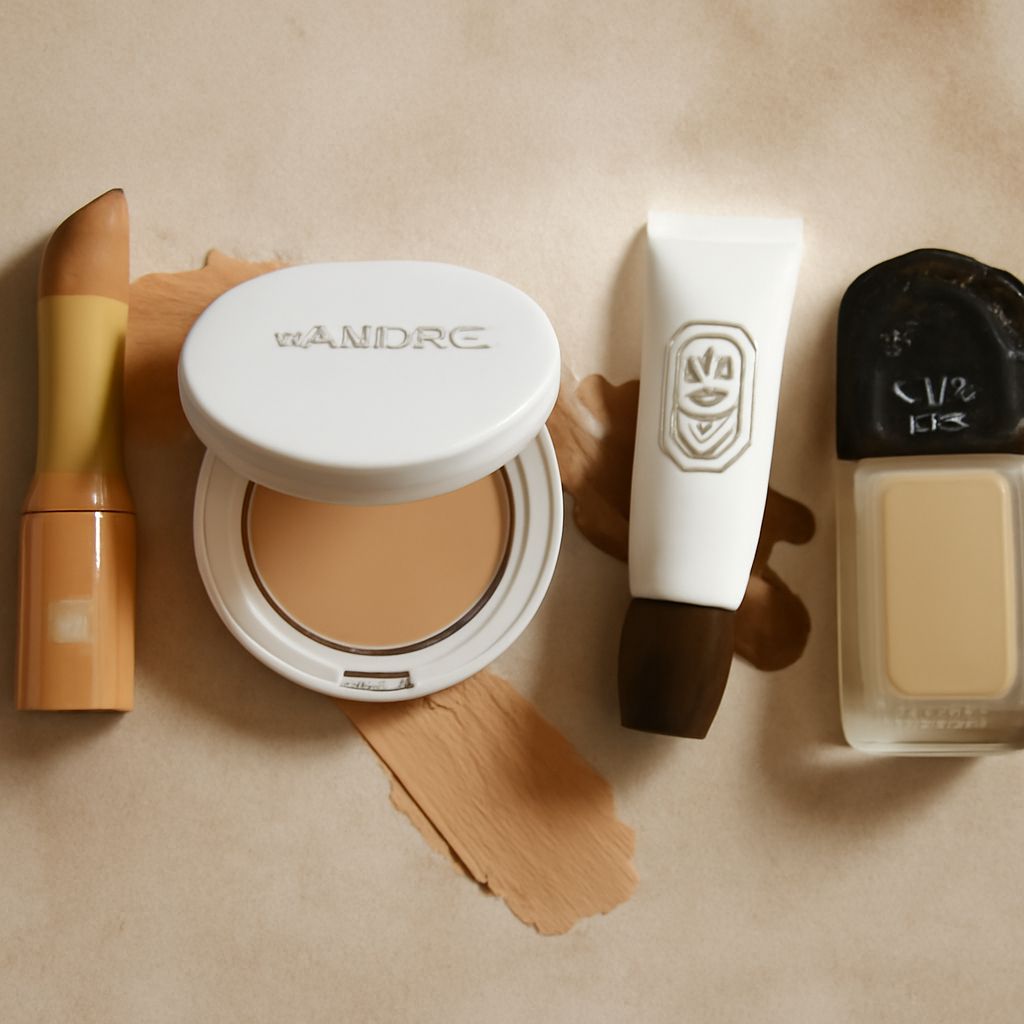
If your face turns shiny within hours of getting ready, you know the struggle of finding the right oily skin foundation. Excess sebum breaks down most formulas, leaving you with patchy coverage and a greasy finish by midday. The right foundation for oily skin controls shine without drying you out, staying fresh from morning to night.
The best foundations for oily skin share a few key traits: oil-free formulas, mattifying ingredients, and long-wear technology. Whether you prefer full coverage or a lighter finish, the best foundation for oily skin works with your skin’s chemistry, not against it. This guide covers everything from ingredients to application so your foundation oily skin routine actually holds up.
What Makes a Foundation Work for Oily Skin?
Not every foundation is created equal when sebum production is high. The formula matters enormously.
Oil-Free vs. Water-Based Formulas
Oil-free foundations omit comedogenic oils that can clog pores or accelerate shine. Water-based versions feel lighter and tend to sit better on skin prone to excess oil. Look for these on the label before anything else.
Matte vs. Satin Finish
A matte finish absorbs light and controls sheen throughout the day. Satin finishes offer a slight glow that can look healthy on some skin types but may emphasize oil on others. For most people with oily skin, matte is the more reliable choice.
Key Ingredients to Look For
Silica, kaolin clay, and niacinamide all help manage oil production or absorb excess sebum. Dimethicone creates a smooth base that helps the formula adhere longer. Avoid heavy emollients like mineral oil or lanolin near the top of the ingredient list.
How to Prep Oily Skin Before Foundation
Application technique starts well before you open the foundation bottle.
Cleansing and Toning
Start with a gentle, non-stripping cleanser. Over-cleansing triggers more oil production. A mild toner with niacinamide or witch hazel can refine pores without irritating the skin barrier.
Moisturizer Still Matters
Many people with oily skin skip moisturizer, which backfires. A lightweight, oil-free gel moisturizer keeps the skin hydrated without adding grease. Dehydrated skin often overproduces oil as a compensatory response.
Primer Is Your Best Tool
A mattifying primer fills pores and creates a grip for foundation. Silicone-based primers smooth texture and help foundation stay put for hours longer than it would on bare skin.
Best Foundation Types for Oily Skin
Certain product formats perform better than others when shine is a concern.
Liquid Matte Foundations
Full-coverage liquid foundations with a matte finish are workhorses for oily skin. Look for ones labeled 24-hour or long-wear. Many contain talc or silica for built-in oil absorption.
Powder Foundations
Powder formulas cut down application time and double as touch-up tools. They suit moderate oil levels well. Those with very oily skin may find powder alone provides insufficient coverage.
Serum Foundations
Newer serum-foundation hybrids offer lighter coverage with skin-care benefits. They work for oily skin when formulated without heavy oils, though they may need a stronger primer underneath.
Application Tips That Help Foundation Last
The best product still needs the right technique.
Tools: Brush, Sponge, or Fingers?
A dense, flat brush presses foundation into skin for a smooth finish. A damp sponge blends edges seamlessly. Fingers add warmth that helps foundation meld into skin but can transfer oil. A brush or sponge generally lasts longer on oily skin.
Thin Layers Beat Heavy Application
One thick layer slides and breaks down faster. Apply two thin layers, letting the first set briefly before adding the second. This builds coverage while keeping the formula stable.
Setting Is Not Optional
A translucent or oil-absorbing setting powder pressed over your foundation significantly extends wear. A setting spray formulated for oily skin can follow to lock everything in place.
Touch-Up Strategies for All-Day Wear
Even the most durable foundation benefits from midday maintenance.
Blotting papers remove excess oil without disturbing the foundation underneath. Press gently and avoid rubbing. After blotting, a light dusting of pressed powder restores the matte appearance. Avoid applying liquid products over foundation for touch-ups as they tend to shift coverage.
Common Mistakes to Avoid
Small errors in your routine can undermine even the best-performing products. Applying foundation over a freshly washed face without primer, skipping setting powder, or using formulas meant for dry skin are among the most frequent. Also watch out for foundations with SPF as the only layer of sun protection. Chemical SPF in foundation can sometimes increase oiliness, so consider a separate, oil-free sunscreen underneath.
Bottom Line
A good foundation for oily skin controls shine, stays put, and looks polished across a full day. Pair a quality oily skin foundation with thorough skin prep and proper setting steps. Experiment with a couple of formulas to find what your specific skin responds to best.





Leave a Reply