
When your dog scratches constantly or leaves white flakes on the furniture, it signals more than just a bad fur day. Learning how to moisturize dog skin the right way prevents discomfort, reduces scratching, and keeps the coat looking healthy. Dog dry flaky skin can have several causes, from seasonal air changes to nutritional gaps, and matching the remedy to the root cause makes a real difference in how quickly your pet improves.
Puppy dry skin is particularly common in young dogs whose sebaceous glands have not fully matured, while dog skin flaking in adults often traces back to diet, bathing frequency, or environmental conditions. If my dog has dry flaky skin is the thought running through your head, this guide covers the most effective at-home strategies and the signs that mean a vet visit is overdue.
What Causes Dry, Flaky Skin in Dogs?
Environmental Factors
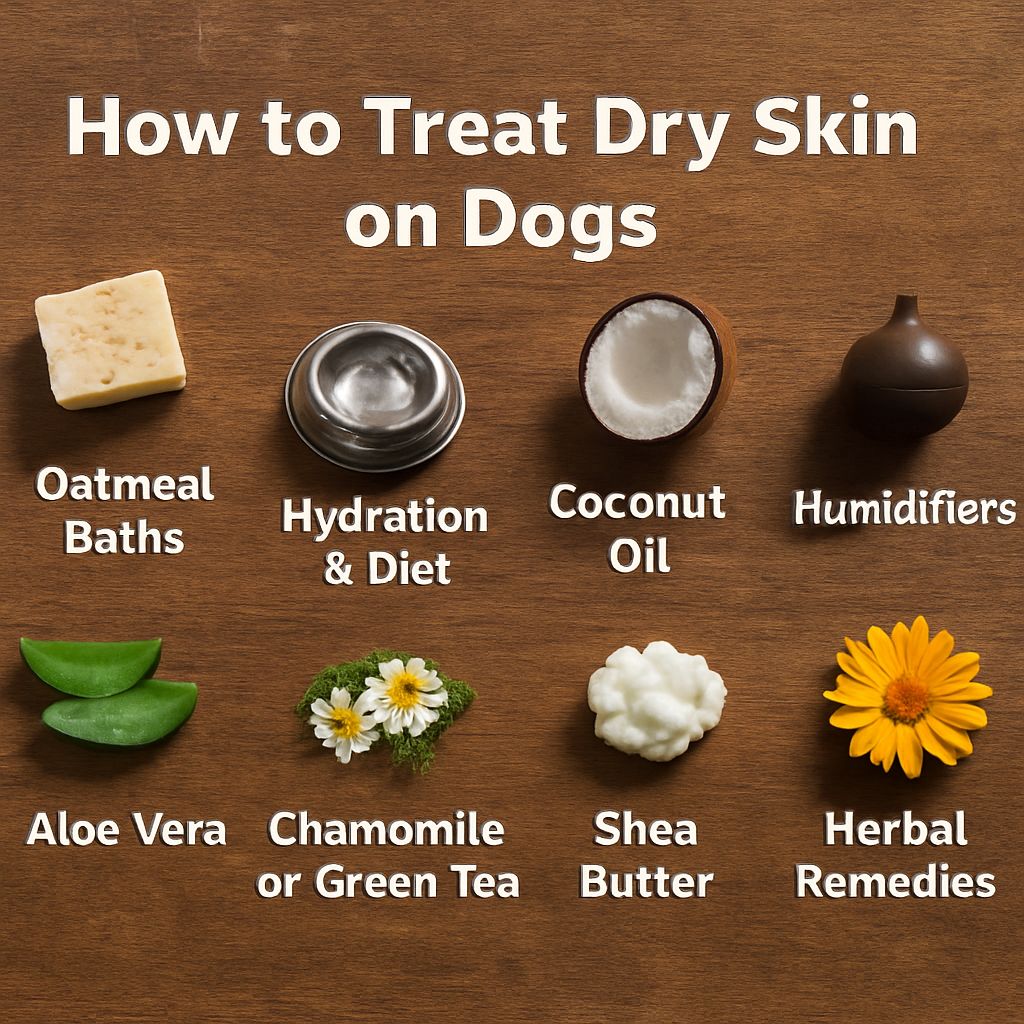
Low humidity indoors during winter dries out canine skin just as it does human skin. Central heating reduces ambient moisture, pulling water out of the skin surface. Dogs that spend a lot of time in air-conditioned spaces during summer face a similar problem. A humidifier in the rooms where your dog sleeps most often can improve moisture levels noticeably within a few weeks.
Nutritional Deficiencies
Omega-3 and omega-6 fatty acids are the building blocks of healthy skin and coat. Dogs fed low-quality kibble that lacks adequate fat content frequently develop flaking and dullness. Adding a fish oil supplement or switching to a food with salmon or sardines as the primary protein source often resolves mild skin flaking within four to six weeks.
Over-Bathing and Harsh Shampoos
Washing a dog more than once a week strips natural oils from the skin barrier. Human shampoos have a different pH than dog-specific products and can disrupt the skin microbiome, leading to inflammation and excessive shedding of skin cells. Bathing every four to six weeks with a gentle, oatmeal-based or hypoallergenic dog shampoo is the standard recommendation for most breeds.
Best Ways to Moisturize a Dog’s Skin at Home
Coconut Oil
A small amount of virgin coconut oil rubbed into dry patches can temporarily soothe and moisturize a dog’s skin. Apply sparingly and avoid large amounts that might be licked off in excess, as too much fat consumed at once can upset digestion. For dogs with a flaky coat on the back or flanks, work the oil into the skin rather than just onto the fur.
Oatmeal Rinse
Colloidal oatmeal dissolved in warm water and poured over your dog as a final rinse after shampooing creates a thin film that soothes irritated, dry skin. Let it sit for five minutes before rinsing lightly, or leave it in if the formula is designed as a leave-in conditioner. Oatmeal has anti-inflammatory compounds that reduce itch alongside moisturizing the skin barrier.
Dog-Safe Moisturizing Sprays
Several veterinary-formulated sprays contain aloe vera, vitamin E, or ceramides designed for canine skin. These can be applied between baths to target spots where dog skin is especially flaky or rough, such as the elbows, belly, and paw pads. Always check that the formula is free of tea tree oil, which is toxic to dogs even in diluted amounts.
Dietary Changes That Support Skin Health
Switching to a food labeled for skin and coat health, or adding a daily omega-3 supplement in the form of fish oil capsules or liquid, addresses the root cause for many dogs with chronic flaking. The recommended dose for fish oil is generally 20 mg of EPA and DHA per pound of body weight daily. Consult your vet before adding any supplement to confirm it suits your dog’s age, size, and health status.
When to See a Veterinarian About Dog Dry Flaky Skin
Home remedies work well for mild dryness, but certain signs require professional evaluation. Visit a vet if the flaking is accompanied by redness, swelling, hair loss, or a foul odor, as these suggest infection, mange, or an underlying hormonal condition like hypothyroidism. Puppies with severe dry skin that does not improve with dietary changes and appropriate bathing schedules should be seen sooner rather than later to rule out genetic skin disorders or parasites.
Preventing Recurring Skin Dryness in Dogs
Consistent prevention is more effective than repeated treatment. Keep the indoor environment humidified during dry months, feed a high-quality diet rich in healthy fats, bathe with gentle dog-specific shampoos no more than twice a month for most breeds, and brush regularly to distribute natural oils through the coat. Routine grooming also lets you catch early signs of skin problems before they progress into painful, inflamed conditions.



Leave a Reply