
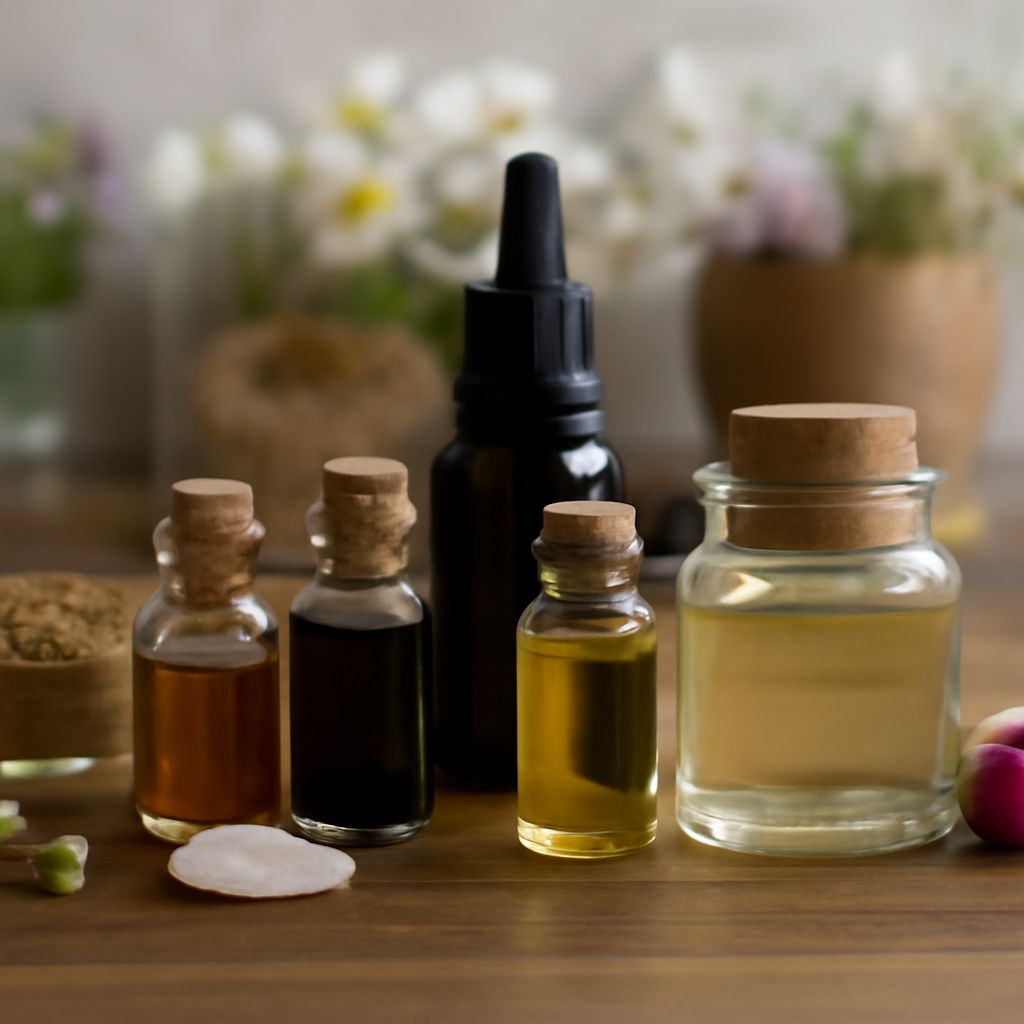
If you have a small, soft flap of skin hanging from your neck or armpit, you have likely already wondered whether tea tree oil skin tags removal is worth trying. This natural antiseptic has a long reputation in folk medicine, and many people find that applying it consistently over several weeks does cause the growth to dry out and fall off. That said, the approach requires patience and proper technique. Using tea tree oil skin tag treatment incorrectly can irritate surrounding skin, so understanding the basics makes the process both safer and more effective.
The appeal of skin tags tea tree oil treatment is straightforward: it is inexpensive, widely available, and requires no cutting or freezing. Research on removing skin tags with tea tree oil is limited but anecdotal reports are plentiful, and dermatologists generally consider it low-risk when used correctly. Whether you want to remove skin tags with tea tree oil or simply understand the process before deciding, this guide covers everything you need.
What Are Skin Tags and Why Do They Form?
Skin tags are benign growths of extra skin that most commonly appear where skin rubs against itself or clothing: the neck, underarms, groin folds, and eyelids. They are attached by a narrow stalk and range from a few millimeters to about a centimeter. Friction, weight gain, hormonal changes during pregnancy, and genetics all contribute to their development. They pose no health risk on their own, but many people prefer to have them removed for cosmetic reasons or because they snag on jewelry and clothing.
How Does Tea Tree Oil Work on Skin Tags?
The Mechanism Behind Drying Out the Stalk
Tea tree oil contains terpinen-4-ol, a compound with antimicrobial and mild astringent properties. Applied repeatedly to the stalk of a skin growth, it is thought to dehydrate the tissue gradually, restricting the blood supply until the tag shrivels and detaches. The process typically takes two to six weeks of consistent daily application.
Why Dilution Is Non-Negotiable
Undiluted tea tree oil is too harsh for direct skin contact and can cause redness, burning, or allergic reactions. A safe working dilution is two to three drops of essential oil per teaspoon of a carrier oil such as coconut, jojoba, or almond oil. Sensitive-skinned individuals should start with a patch test on the inner forearm and wait 24 hours before applying it to the tag.
Application Technique
After washing and drying the area, soak a small cotton ball or swab in the diluted mixture and press it against the tag for three to five minutes. Some practitioners secure the cotton with medical tape overnight for extended contact. Repeat two to three times daily. Avoid getting the oil on the surrounding skin; applying petroleum jelly around the tag creates a protective barrier.
What Results Can You Realistically Expect?
Results vary widely. Smaller tags on thin stalks tend to respond more quickly. Larger growths with broader bases are less likely to disappear completely. Many users report that the tag first darkens, then shrivels, and finally drops off on its own. If there is no visible change after four weeks of consistent application, the tag is unlikely to respond further and a dermatologist visit would be the logical next step.
Safety Considerations and When to See a Doctor
Confirming the Growth Is Actually a Skin Tag
Never attempt home removal of any growth that bleeds spontaneously, changes color or shape rapidly, feels hard, or is located on or near the eyelids. These characteristics can signal something other than a benign tag and require professional evaluation. When in doubt, get a medical opinion before starting any home treatment.
Avoiding Infection
Keep the area clean throughout treatment. If a tag becomes very red, warm, or oozes fluid after application, discontinue use and consult a healthcare provider. Broken skin is vulnerable to secondary bacterial infection.
Alternative Removal Options
Dermatologists offer several quick in-office procedures: cryotherapy freezes the growth with liquid nitrogen, cauterization burns it off, and ligation ties off the blood supply with a small band. These methods are faster but do involve a cost and minor discomfort. Over-the-counter freeze kits are available at pharmacies and work on the same principle as professional cryotherapy.
Key takeaways: Tea tree oil offers a low-cost, low-risk option for removing small skin tags at home when used diluted and applied consistently. Patience is essential as the process takes weeks. Always confirm a growth is genuinely a benign tag before treating it yourself, and seek medical care if any unusual changes occur.




Leave a Reply