
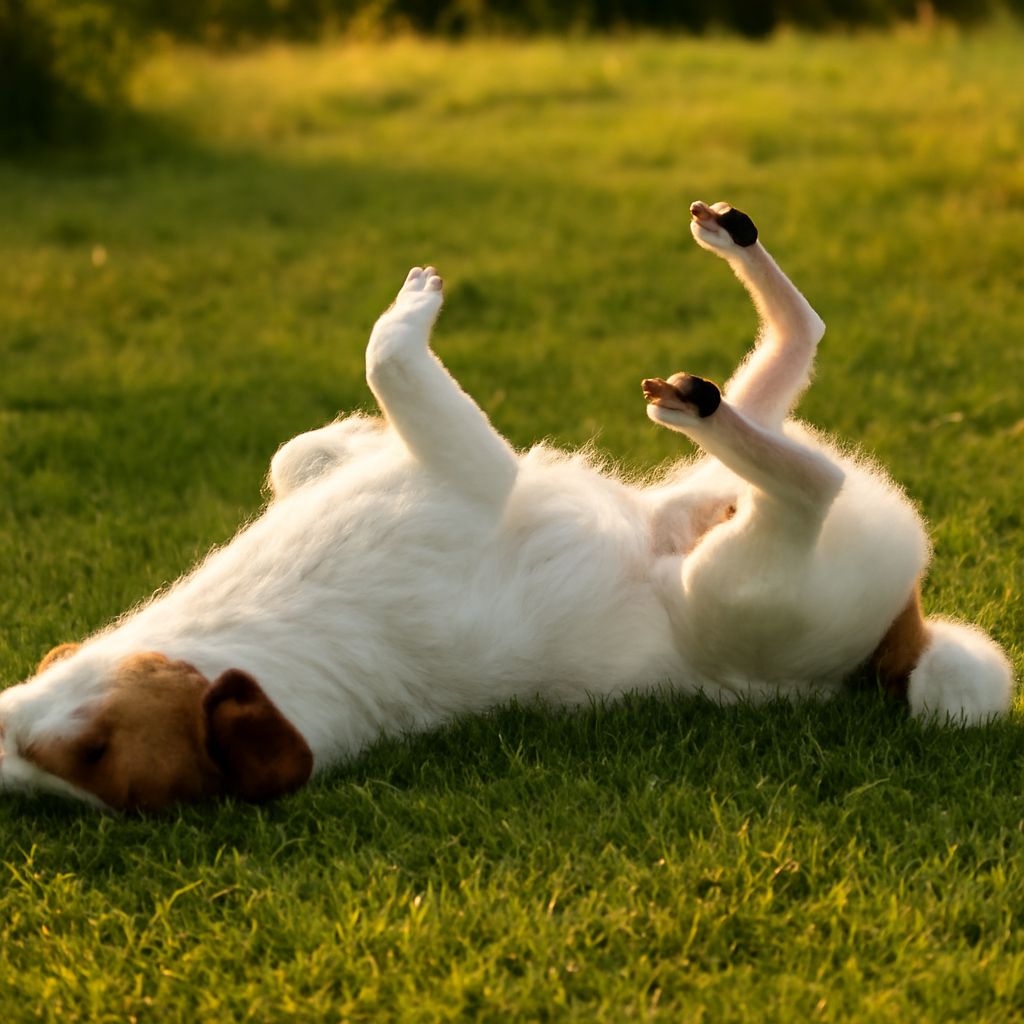
Flaky skin, dull coat, and persistent scratching are clear signals that your dog needs skin support. A dog dry skin home remedy can provide fast, gentle relief while you identify the root cause. Dry skin in dogs results from many factors: low environmental humidity in winter, nutritional gaps, over-bathing, allergies, or underlying health conditions. Home remedies for dry skin on dogs address the symptoms effectively when the cause is environmental or dietary, buying time to consult a veterinarian if the issue does not improve.
Knowing what can i put on my dogs dry skin safely is important because not every human moisturizer or oil is appropriate for dogs. The good news is that several simple, accessible home remedies for dog dry skin using items you may already have in your kitchen or bathroom are both effective and safe. These home remedies for dogs dry skin work best as part of a broader approach that includes nutrition and routine care.
Coconut Oil: A Popular and Versatile Option
Virgin coconut oil is one of the most commonly recommended topical remedies for canine dry skin. Applied in small amounts directly to dry, flaky patches and massaged in gently, it provides immediate moisture and has mild antimicrobial properties. Coconut oil is safe for most dogs both topically and as a dietary supplement at very small doses, though too much orally can cause loose stools. For topical use, a pea-sized amount per application on affected areas is sufficient. Avoid over-applying, as an excessively oily coat can attract dirt and cause itching to worsen.
Oatmeal Baths
How Oatmeal Soothes Irritated Skin
Colloidal oatmeal, finely ground oats, contains beta-glucan compounds that bind to the skin surface and create a moisturizing barrier while reducing inflammation. It is one of the oldest and most evidence-supported topical treatments for dry, itchy skin in both humans and dogs. An oatmeal bath provides full-body relief rather than spot treatment, making it ideal for dogs with widespread dryness.
How to Prepare an Oatmeal Bath Grind plain, unflavored rolled oats to a fine powder in a blender or food processor. Add two to three cups to a warm bath and stir until the water turns milky. Allow your dog to soak for five to ten minutes while you gently massage the water through the coat. Rinse lightly or not at all; the oatmeal residue on the skin continues to provide moisture after the bath. Pat dry rather than rubbing to avoid additional irritation.
Dietary Adjustments and Omega-3 Supplementation
Dry, dull skin often reflects a dietary deficiency. Omega-3 fatty acids are essential for maintaining the skin’s lipid barrier and moisture retention. Adding a small amount of fish oil, sardine oil, or flaxseed oil to your dog’s food each day produces visible improvement in coat quality and skin hydration within four to six weeks. The appropriate dose depends on your dog’s weight; packaging guidelines or your vet’s advice provides the correct amount. Avoid salmon oil from farm-raised fish, which may contain contaminants. Wild-caught varieties or purpose-made canine omega-3 supplements are safer.
Apple Cider Vinegar Rinse
A diluted apple cider vinegar rinse can help restore the slightly acidic pH of a dog’s skin, which low-pH skin disruption can allow yeast and bacteria to flourish and worsen dryness. Mix one part raw apple cider vinegar with three parts water and apply as a final rinse after bathing, working it through the coat and allowing it to air dry. Do not apply to broken or inflamed skin, as the acidity causes significant stinging. This remedy works best for dogs with mild generalized dryness rather than active skin problems.
Humidifier Use in Dry Environments
During winter months or in homes with forced-air heating, indoor humidity often drops below 30 percent. This is too dry for healthy skin in both humans and dogs. Running a humidifier in rooms where your dog spends most of its time, keeping relative humidity around 40 to 50 percent, reduces transepidermal water loss and prevents the seasonal dry skin that many dogs develop each winter without any change in diet or products.
When Home Remedies Are Not Enough
Persistent or worsening dryness, especially accompanied by hair loss, strong odor, redness, or thickened skin, indicates a condition beyond simple environmental dryness. Hypothyroidism, Cushing’s disease, mange, and certain allergies all present with dry or flaky skin and require veterinary diagnosis and treatment rather than home care. A single vet visit to rule out these conditions is worthwhile before committing to a long-term home treatment plan.
Key takeaways: Coconut oil, oatmeal baths, omega-3 supplementation, and environmental humidity control are safe, accessible home remedies for dry skin in dogs. They work best for environmentally caused dryness. Persistent or unusual skin symptoms require veterinary attention rather than continued home treatment alone.


Leave a Reply