
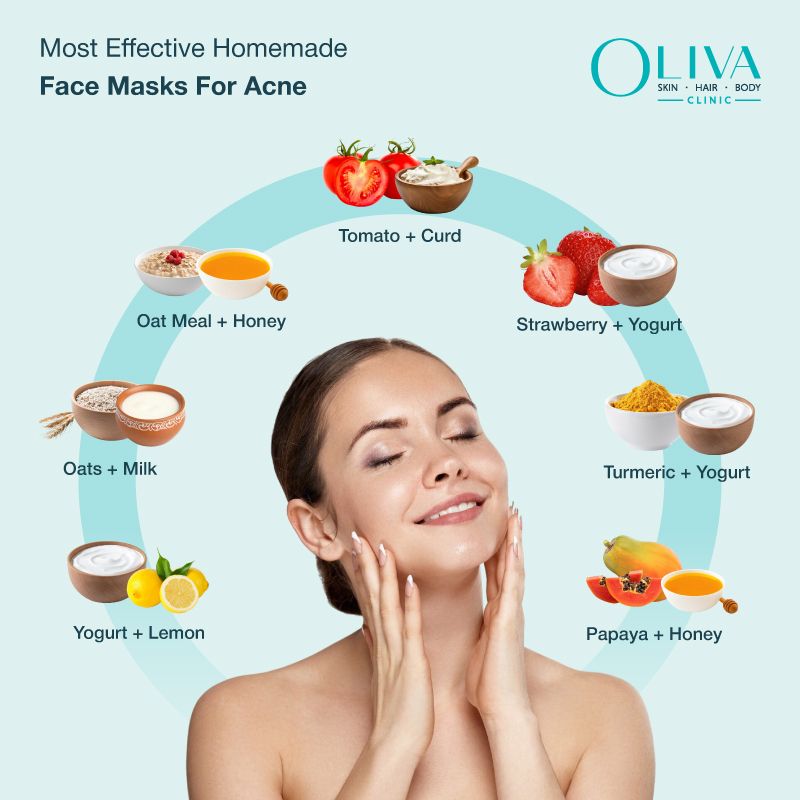
A good face mask for oily skin does more than temporarily remove excess oil; it recalibrates sebum production, clears pores, and improves overall skin texture with consistent use. The challenge is that not all masks labeled for oily complexions actually work, and some strip the skin so aggressively that they trigger even more oil production as a rebound effect. Finding the right mask for oily skin means understanding your skin’s actual needs rather than just reaching for the most mattifying product on the shelf.
This guide covers what makes the best mask for oily skin genuinely effective, when a diy face mask for oily skin recipe is worth the effort, and how to compare the best masks for oily skin across ingredients and application frequency for maximum results.
How Face Masks Manage Oily Skin
Masks work differently from cleansers and moisturizers because they stay on the skin long enough for active ingredients to penetrate more deeply. Clay and charcoal physically absorb excess sebum and draw impurities from pores. Chemical exfoliants like salicylic acid and glycolic acid dissolve the bonds between dead cells lining pore walls, preventing the blockages that cause blackheads and enlarged-looking pores. Niacinamide regulates oil production at the sebaceous gland level and reduces inflammation. The best oily skin masks combine at least two of these mechanisms for a more comprehensive result.
Best Mask Ingredients for Oily Skin
Kaolin and Bentonite Clay
Clay masks are the traditional go-to for oily complexions. Kaolin is gentler and better for combination-to-oily skin that also has dry patches. Bentonite is more intensely absorbing and better suited to uniformly very oily or congested skin. Both work by attracting oil and debris to their surface as the mask dries. Remove before the clay completely hardens on the skin; a fully dried clay mask can disrupt the skin barrier and trigger compensatory oil production.
Activated Charcoal
Charcoal masks have a high surface area that binds to sebum, bacteria, and environmental pollutants within pores. They tend to have a more dramatic immediate effect on visible pore size than clay alone. Pair charcoal with soothing ingredients like aloe vera or green tea extract to prevent excessive dryness.
Salicylic Acid
As an oil-soluble beta hydroxy acid, salicylic acid penetrates inside pores and dissolves the material that causes blackheads and closed comedones. Masks containing 1 to 2 percent salicylic acid used once or twice weekly produce gradual but consistent improvement in pore clarity and oil control.
Sulfur
Sulfur has antibacterial and keratolytic properties that make it particularly useful for oily skin that is also acne-prone. It breaks down dead skin cells and kills surface bacteria without the irritation that strong acids can cause. Sulfur masks smell unpleasant but are highly effective for breakout-prone skin.
DIY Face Mask Recipes for Oily Skin
A diy face mask for oily skin can be effective and cost-efficient when you use the right ingredients. A classic recipe combines two tablespoons of bentonite clay with apple cider vinegar diluted to half strength with water, mixed to a paste consistency. Apply for ten to fifteen minutes and rinse thoroughly. Another option: one teaspoon of raw honey mixed with a few drops of lemon juice and a pinch of turmeric. Honey has mild antimicrobial properties, lemon provides gentle exfoliation, and turmeric calms redness. Patch-test any DIY mixture on your inner arm before applying it to your face, particularly if your skin is sensitive.
How Often Should You Mask?
Once to twice weekly is appropriate for most oily complexions. Using absorbing masks more frequently disrupts the skin barrier and causes the sebaceous glands to overproduce oil in response. If skin feels tight or dry after masking, reduce frequency and follow with a lightweight oil-free moisturizer immediately after rinsing. Hydration is not optional even for oily skin; dehydrated skin produces more oil to compensate for moisture loss.
Application Tips for Best Results
Apply masks to clean, slightly damp skin for better ingredient absorption. Use a brush for even application and avoid the eye and lip area, where skin is thinner and more reactive. While waiting for the mask to work, avoid any activity that creates heat or sweat, which can drive irritating ingredients deeper into sensitive skin areas. Rinse with lukewarm water rather than hot to avoid additional inflammation or redness.
Key takeaways: The best mask for oily skin contains clay, charcoal, salicylic acid, or sulfur to address both excess sebum and pore congestion. Use once or twice weekly at most and always follow with a non-comedogenic moisturizer. DIY recipes using clay and diluted apple cider vinegar or honey-based blends can deliver real results when used consistently.




Leave a Reply