
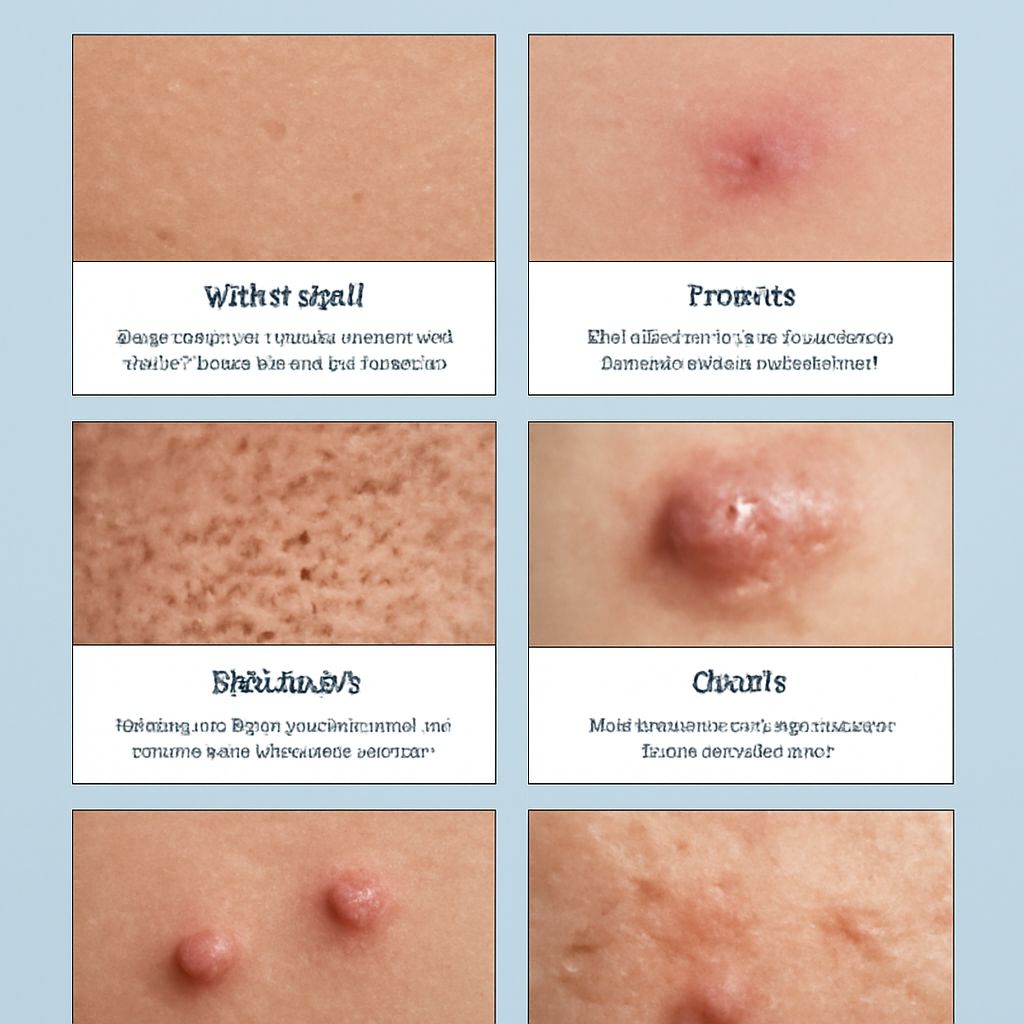
Breaking out in the same spot repeatedly can feel frustrating and random, but there is a method to the pattern. An acne face map is a diagnostic framework that links breakout locations on the face to possible internal or external triggers. Rooted partly in traditional Chinese medicine and partly in modern dermatology, acne mapping helps you look beyond topical treatments and address contributing lifestyle and health factors. A facial acne map does not replace medical advice, but it provides a useful starting point for understanding recurring breakouts.
The concept of a chinese acne map draws on the idea that different facial zones correspond to organ systems: forehead to digestion, cheeks to respiratory health, chin to hormones. Modern skin science does not always validate these exact connections, but the underlying message, that what your acne is telling you goes beyond surface-level bacteria, holds real value when combined with evidence-based care.
What Is Acne Face Mapping?
Face mapping divides the face into zones and associates each zone with a different set of potential triggers. The practice originated in ancient Chinese and Ayurvedic medicine thousands of years ago and has since been adapted by contemporary estheticians and some dermatologists. While the organ-specific connections from traditional systems lack strong clinical evidence, the zone-based approach is genuinely useful for tracking patterns, identifying contact triggers, and guiding lifestyle changes alongside proper skincare.
Forehead Zone: Digestion and Stress
What the Forehead Zone May Indicate
Breakouts across the forehead are frequently linked to digestive sluggishness, poor sleep, or elevated stress hormones. The forehead also receives a lot of contact from hair, hats, and hands, making it susceptible to clogged pores from external sources. If your forehead acne flares during high-stress periods or after dietary indulgence, both the traditional and modern frameworks point to the same culprits.
Practical Steps for Forehead Breakouts
Keep hair products away from the hairline, change pillowcases frequently, and reduce refined sugar and processed foods. Managing stress through sleep and exercise can noticeably reduce forehead breakout frequency over several weeks.
Cheek Zone: Environment and Lifestyle
Right Cheek vs. Left Cheek
Traditional Chinese face mapping associates the right cheek with lung health and the left with liver function, but modern dermatology points to more tangible triggers: phone screens, pillowcases, and hands touching the face. Cheek acne in adults often tracks directly to hygiene habits around these contact points.
Addressing Cheek Breakouts
Disinfect your phone screen daily, use clean pillowcases, and avoid resting your hand against your cheek. If breakouts persist despite good hygiene, consider whether airborne pollutants or a change in laundry detergent could be responsible.
Chin and Jawline Zone: Hormonal Influences
Breakouts along the chin and jawline are one of the clearest examples of what your acne is telling you about hormonal activity. Fluctuations in androgens around the menstrual cycle, polycystic ovary syndrome, or stress-induced cortisol spikes all stimulate sebaceous glands in this zone. Women in their twenties and thirties commonly experience this pattern even if they had clear skin as teenagers. Addressing hormonal chin acne may require a combination of topical retinoids, dietary adjustments, and in persistent cases, consultation with a gynecologist or endocrinologist.
Nose and T-Zone: Oil Production
The nose and central forehead form the T-zone, an area with a high density of sebaceous glands. Blackheads and whiteheads here are very common and often reflect excess oil production rather than any systemic issue. Enlarged pores, a genetic trait in many people, also concentrate in the T-zone. Gentle exfoliation, non-comedogenic moisturizers, and salicylic acid cleansers help manage T-zone congestion without stripping the skin barrier.
How to Use Facial Acne Mapping Effectively
Treat face mapping as one investigative tool among many, not a definitive diagnosis. Keep a breakout journal tracking location, timing, diet, stress levels, sleep quality, and skincare products used. Patterns that emerge over several weeks, like chin flares that consistently precede your period or cheek breakouts that correlate with phone use, give you actionable information. Always maintain a consistent evidence-based skincare routine and consult a dermatologist for persistent or inflammatory acne rather than relying solely on zone interpretation.
Bottom line: Acne face mapping offers a structured way to identify patterns in where and why breakouts occur, combining traditional wisdom with modern skin science. Using it alongside a consistent skincare routine and professional guidance produces better results than topical treatments alone. Your skin is communicating; taking note of the location and timing of blemishes is a smart first step toward clearer skin.




Leave a Reply