
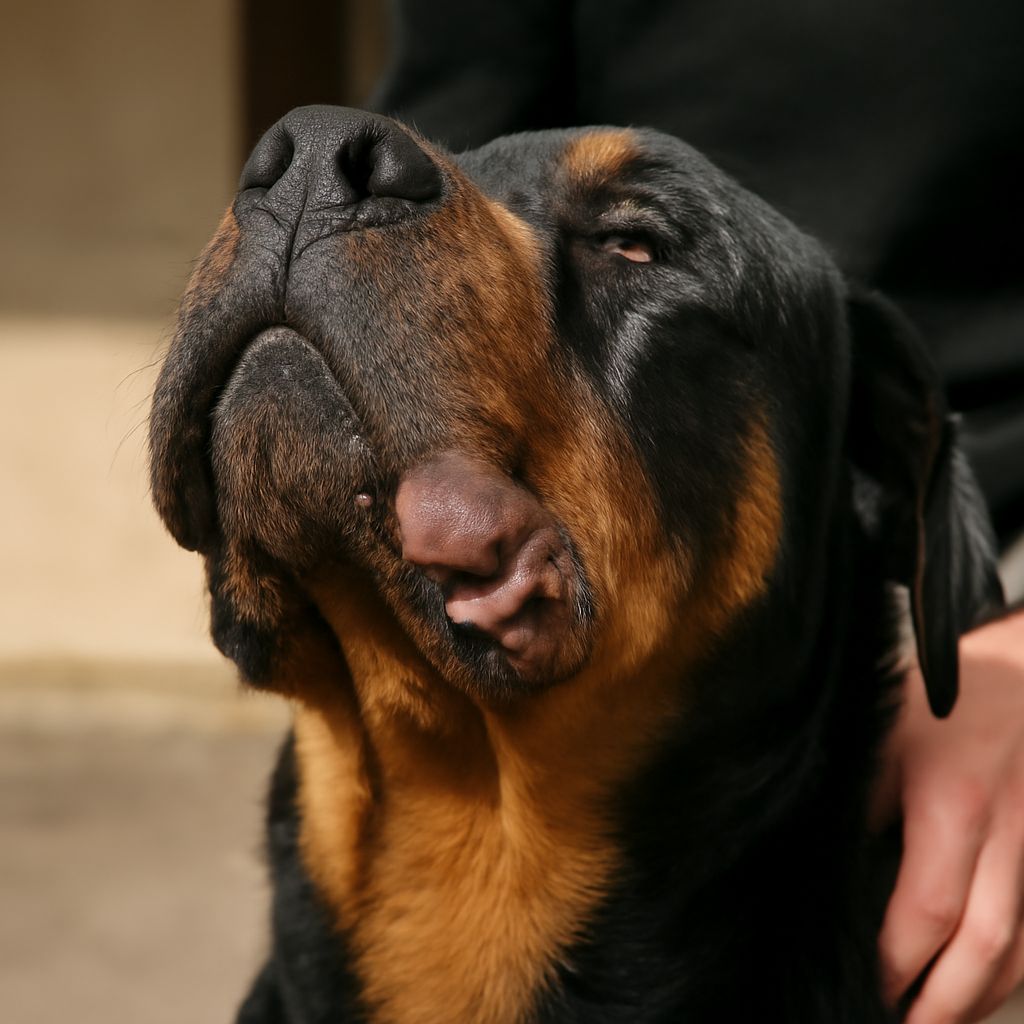
Noticing small red bumps or blackheads around your dog’s mouth? Dog acne is more common than most pet owners realize, and while it looks alarming, it is usually manageable with the right approach. Dogs of any breed can develop facial blemishes, but certain short-coated breeds are particularly prone. The good news is that dog acne on chin areas and muzzle often resolves with gentle care, and knowing what to do prevents minor breakouts from becoming serious infections.
Yes, can dogs get acne is a question vets hear regularly, and the answer is yes. Dog chin acne typically appears in young dogs going through puberty, though adults can develop it too. And do dogs get acne for the same reasons humans do? Not exactly, but hormonal fluctuations, friction, and bacteria all play a role.
What Does Dog Acne Look Like?
Canine acne most often appears as red bumps, whiteheads, or blackheads on the chin, lower lips, and muzzle. In mild cases you might see only a few raised spots. As it progresses, the lesions can swell, become tender, or rupture and crust over. Some dogs scratch or rub their face against carpet or furniture, which can worsen the inflammation. If the area becomes hot, very swollen, or produces discharge, a bacterial infection may have set in and veterinary attention is needed.
Why Do Dogs Develop Chin Acne?
Hormonal Changes in Young Dogs
Puppies between five and eight months old are most susceptible to canine breakouts because of the hormonal shifts tied to puberty. Sebaceous glands ramp up production, clogging follicles with excess oil. Most dogs outgrow this phase once they mature, especially after spaying or neutering.
Friction and Trauma to the Skin
Plastic food and water bowls are a surprisingly frequent culprit. The porous surface harbors bacteria, and repeated rubbing of a dog’s chin against the bowl lip creates micro-abrasions that allow bacteria to enter hair follicles. Switching to stainless steel or ceramic bowls often produces noticeable improvement within weeks.
Genetic Predisposition by Breed
Short-muzzled and short-coated breeds, including Boxers, Bulldogs, Rottweilers, and Great Danes, experience follicular acne more often. Their coarser hair can break off under the skin surface and trigger inflammatory responses similar to ingrown hairs in humans.
How Is Dog Acne Diagnosed?
Most veterinarians diagnose canine acne visually, but they may perform skin scrapes or cytology to rule out mange, ringworm, or bacterial pyoderma. A biopsy is rarely necessary unless the condition is severe or unresponsive to treatment. Distinguishing simple acne from a systemic skin condition matters because treatment approaches differ substantially.
Treatment Options for Canine Acne
Topical Benzoyl Peroxide Products
Veterinary-formulated benzoyl peroxide shampoos or gels are the most commonly recommended first-line treatment. They flush out hair follicles, reduce bacteria, and control excess oil. Use products specifically labeled for dogs; human-grade formulations are often too concentrated and can irritate or dry out canine skin.
Warm Compresses
Applying a clean warm cloth to the affected area for five minutes twice daily softens clogged pores and draws out impurities without the risk of infection that comes from squeezing. Never pop a dog’s pimples. Rupturing the follicle manually pushes bacteria deeper, leading to painful scarring or cysts.
Prescription Medications
When topical care alone is insufficient, vets may prescribe oral antibiotics to clear bacterial infections or topical steroids to calm severe inflammation. Long-term antibiotic use should be supervised carefully to avoid resistance.
Home Care and Prevention
Bowl and Bedding Hygiene
Wash food and water bowls daily with hot soapy water. Launder your dog’s bedding weekly. Bacteria thrive on surfaces that stay slightly damp and warm, making routine cleaning an effective preventive measure.
Grooming Habits
Wipe your dog’s chin and muzzle with a damp cloth after meals to remove food particles that can block pores. Avoid rubbing vigorously; gentle patting is less irritating to skin that is already prone to breakouts.
Diet and Immune Support
A nutritionally balanced diet supports healthy skin from the inside. Omega-3 fatty acids in particular help regulate sebum production and reduce inflammatory responses that make acne worse.
When to See a Veterinarian
Schedule a vet visit if your dog’s chin acne spreads beyond the muzzle area, if lesions are extremely swollen or painful, if there is bleeding or significant crusting, or if at-home care shows no improvement after two to three weeks. Persistent acne in adult dogs sometimes signals an underlying hormonal disorder or immune deficiency that requires targeted treatment.
Pro tips recap: Replace plastic bowls with stainless or ceramic ones, apply warm compresses rather than squeezing spots, use dog-safe benzoyl peroxide products, and keep feeding areas clean. Consistent hygiene and a quality diet tackle the majority of canine chin breakout cases before they escalate.


Leave a Reply