
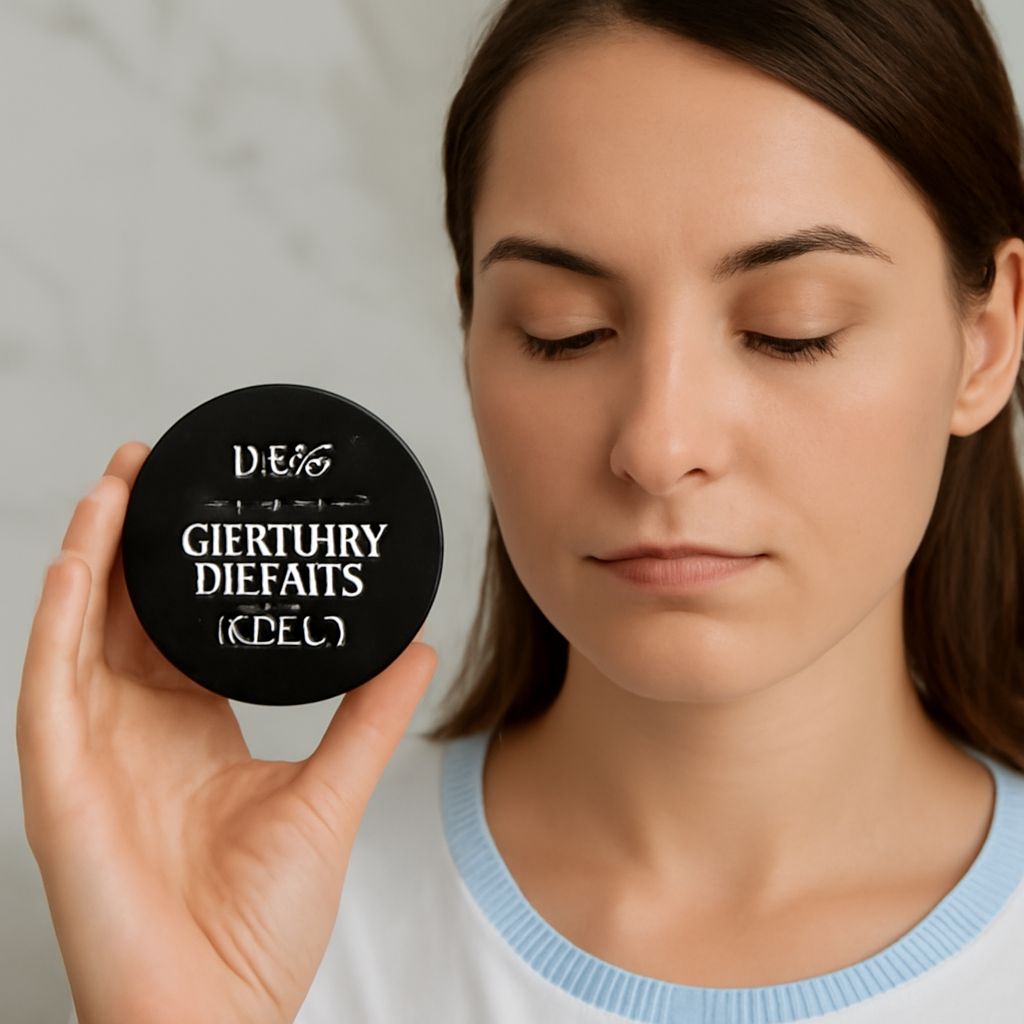
Setting powder for dry skin needs to do something specific: lock in makeup without stripping moisture, caking on fine lines, or making the face look flat and powdery. The best pressed powder for oily skin is formulated very differently from what dry skin actually needs, so using the wrong product type makes dry skin look worse rather than better. Face powder for dry skin should work with the skin’s natural radiance, not against it.
The best drugstore setting powder for dry skin delivers these results without a high price point. The best drugstore powder for dry skin performs better than you might expect when you know which product qualities to prioritize. This guide covers everything from what to look for on the ingredient list to exactly how and where to apply powder on dry skin for results that last.
Why Standard Powders Fail on Dry Skin
Standard setting powders, particularly those marketed for oily skin, are formulated to absorb oil. They contain talc, silica, or kaolin clay in quantities designed to eliminate shine. On dry skin, this same absorbency removes the small amount of natural moisture the skin does produce. The result is a tight, chalky appearance that exaggerates dry patches and fine lines rather than smoothing them.
The Over-Application Problem
Dry skin is particularly sensitive to powder overload. Even a hydration-compatible formula applied too heavily creates a dusty, flat finish that looks dry and aging. Targeted, minimal application is essential.
Ingredient Features to Look For
Face powder for dry skin performs best when it contains certain properties.
Finely Milled Texture
A micro-fine powder sits more transparently on the skin surface. Coarser powders settle into texture and emphasize dryness. Finely milled powders diffuse light, which creates a blurring effect rather than a flat or opaque one.
Light-Reflecting Particles
Powders with a satin finish or small amount of micro-shimmer add luminosity to the skin. This counteracts the dulling effect that standard matte powders produce on dry skin. Avoid heavy glitter or visible shimmer, which looks unflattering in most settings, but a subtle pearl or satin-finish powder maintains the healthy glow that dry skin can have when well moisturized.
Hydrating Ingredients
Some setting powders now include hyaluronic acid, glycerin, or plant-derived oils within the formula. These do not hydrate as effectively as a serum, but they buffer the drying effect of the powder’s absorbent components. Look for these ingredients in the top third of the ingredient list for meaningful inclusion.
Best Pressed Powder for Oily Skin vs Dry Skin: Key Differences
The best pressed powder for oily skin contains higher concentrations of absorbent ingredients and produces a full matte finish. This is the opposite of what dry skin needs. Dry skin needs lower absorbency, a satin or luminous finish, and minimal oil-stripping ingredients. If you have dry skin and are considering a pressed powder, specifically look for “luminous,” “hydrating,” or “dewy finish” on the product description rather than “matte” or “shine-control.”
How to Apply Setting Powder on Dry Skin
Apply moisturizer and allow it to absorb fully. Add your makeup base. Wait two minutes for the base to set slightly. Then use a large, fluffy brush to pick up a very small amount of powder. Tap off excess before applying to the face. Focus on areas prone to shifting, typically the T-zone and under the eyes. Leave the cheeks, temples, and upper forehead relatively powder-free if those areas are driest. A pressing motion with a dampened makeup sponge over the powder creates the most skin-like finish.
The Best Drugstore Setting Powder for Dry Skin: What to Look For
At the drugstore level, look for powders described as translucent, setting, or soft focus with a satin or dewy finish rather than matte or oil-control. Compare the ingredient list: formulas with primarily synthetic fluorphlogopite (a soft mica-like mineral) or rice starch tend to be gentler on dry skin than those with dense talc and silica at the top of the list. Price is not a reliable indicator of dryness compatibility at the drugstore tier.
Next steps: Apply setting powder sparingly on dry skin. Choose a finely milled, satin-finish formula with minimal absorbent ingredients. Pair with a hydrating setting spray afterward to maintain the dewy appearance that dry skin can have when properly prepared and minimally powdered.



Leave a Reply