
Rattlesnake skin is a distinctive and sought-after material in leather goods and decor. Whether you’re researching rattlesnake skin for sale or simply curious about its properties, understanding the source, texture, and market is useful. Myrrh oil for skin is an entirely separate topic, covering one of the oldest plant-based skincare ingredients. Myrrh for skin has a long history in traditional and modern skincare, and the benefits of myrrh for skin are now better understood through contemporary research. This guide covers both topics distinctly.
We’ll look at what rattlesnake skin is used for and how it’s regulated, then turn to myrrh oil’s proven properties for skin health.
What Is Rattlesnake Skin and How Is It Used
Rattlesnake skin refers to the shed or harvested hide of rattlesnakes. The scale pattern of rattle snake skin is highly distinctive, with a rough, overlapping texture and a natural pattern of brown, gray, and tan tones depending on species. The scales create a strong, flexible material with an immediately recognizable appearance.
Rattlesnake hides are used in cowboy boots, belts, wallets, hatbands, picture frames, and decorative items. Because the skin is thin and the scales tend to be delicate compared to larger reptile skins like alligator or python, it’s often backed with leather for durability in wearable goods.
Where Is Rattlesnake Skin for Sale and What Does It Cost
Rattlesnake skin for sale is available through specialty leather suppliers, taxidermy suppliers, and some custom boot and leather goods makers. Tanned whole skins can range from $20 to $100 or more depending on size and species. Finished goods like boots made from rattlesnake skin cost significantly more, often in the $300-$800 range for quality examples.
Natural shed skins (the molted skin a snake leaves behind) are also collected and sold, though these are less durable and used more for display than for crafting wearable goods.
Are There Regulations Around Rattlesnake Skin Products
Regulations vary by species and jurisdiction. Most common rattlesnake species used commercially (Western diamondback, Eastern diamondback, timber rattlesnake) are not listed under CITES (the international wildlife trade convention), so interstate and international trade in tanned products is generally permitted.
However, some states have specific protections for certain rattlesnake species or require permits for commercial harvest. Always check local regulations before purchasing or selling rattlesnake skin products, particularly if buying from out of state or internationally.
What Is Myrrh Oil and Where Does It Come From
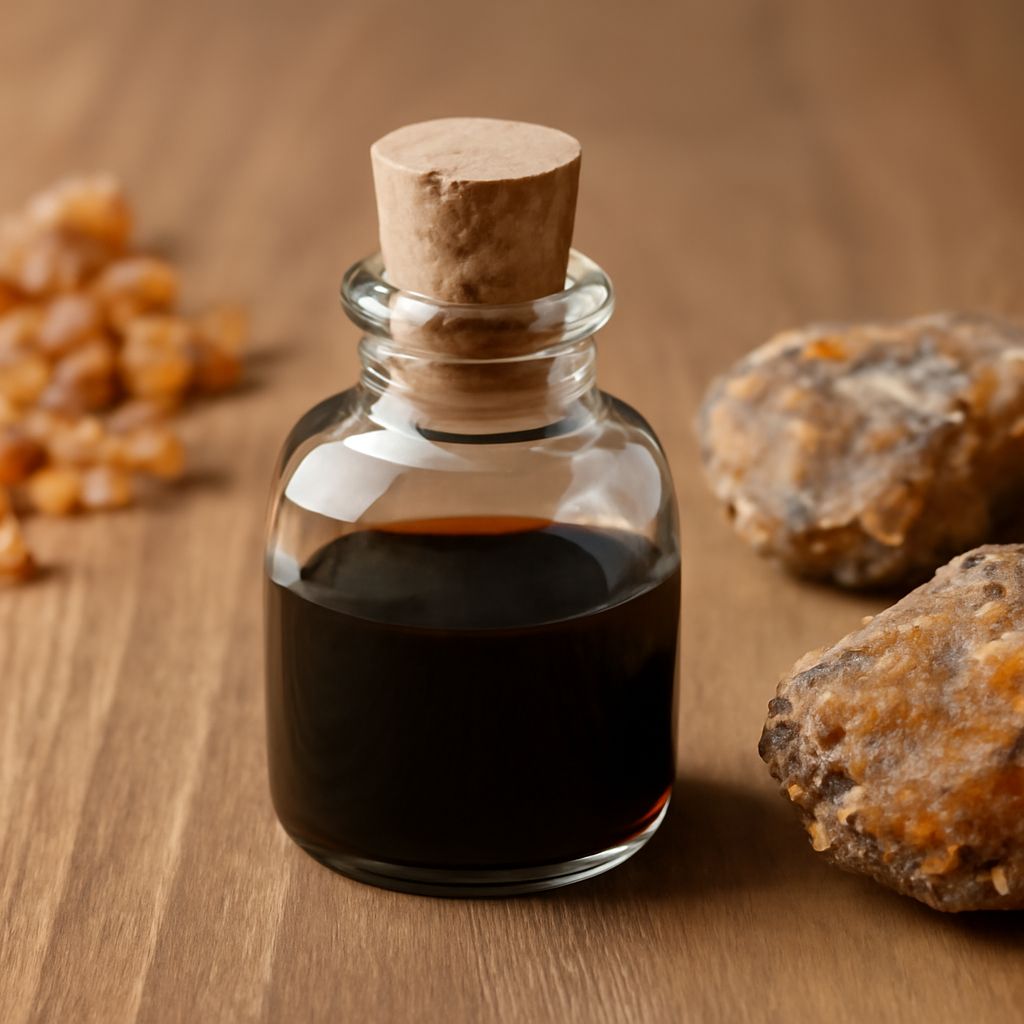
Myrrh is a resin produced by trees of the Commiphora genus, native to parts of Africa and the Middle East. The resin is harvested by making cuts in the tree’s bark, allowing the gum to seep out and harden. Myrrh essential oil is produced by steam distillation of the dried resin. It has a warm, earthy, slightly medicinal scent and a long history in religious ceremonies, traditional medicine, and cosmetics dating back thousands of years.
What Does Myrrh Oil Do for Skin
Myrrh for skin has several documented properties.
Antimicrobial: myrrh contains compounds including terpenoids and furanoeudesma-1,3-diene that have demonstrated antimicrobial activity in laboratory research. This makes myrrh oil potentially useful for preventing infection in small wounds and for acne-prone skin.
Anti-inflammatory: the same terpenoid compounds in myrrh have anti-inflammatory effects, which can help calm irritated skin, redness, and conditions driven by inflammation.
Antioxidant: myrrh oil contains antioxidants that help neutralize free radicals. For aging-focused skincare, this translates to protection against oxidative stress that accelerates cell damage over time.
Wound healing: traditional use of myrrh for wound care is supported by some research showing it can support tissue repair and reduce local infection risk.
How Do You Use Myrrh Oil in a Skincare Routine
Myrrh essential oil must be diluted before applying to skin. A concentration of 1-2% in a carrier oil (jojoba, sweet almond, rosehip) is appropriate for most face applications. This equals about 6 to 12 drops per ounce of carrier oil.
A safety note: always dilute myrrh essential oil before skin application. Undiluted essential oils can cause skin irritation, sensitization, or burns even on non-sensitive skin types. Patch test before wider application, and avoid use during pregnancy without medical guidance.
For skincare, blend myrrh oil into a facial oil or moisturizer rather than applying neat. It works well in nighttime routines where its anti-inflammatory and regenerative properties can work over several hours.
Safety recap: When buying rattlesnake skin products, verify the source is legally harvested and traded, particularly for protected species. When using myrrh oil for skin, always dilute to 1-2% in a carrier oil and patch test before facial application.



Leave a Reply