
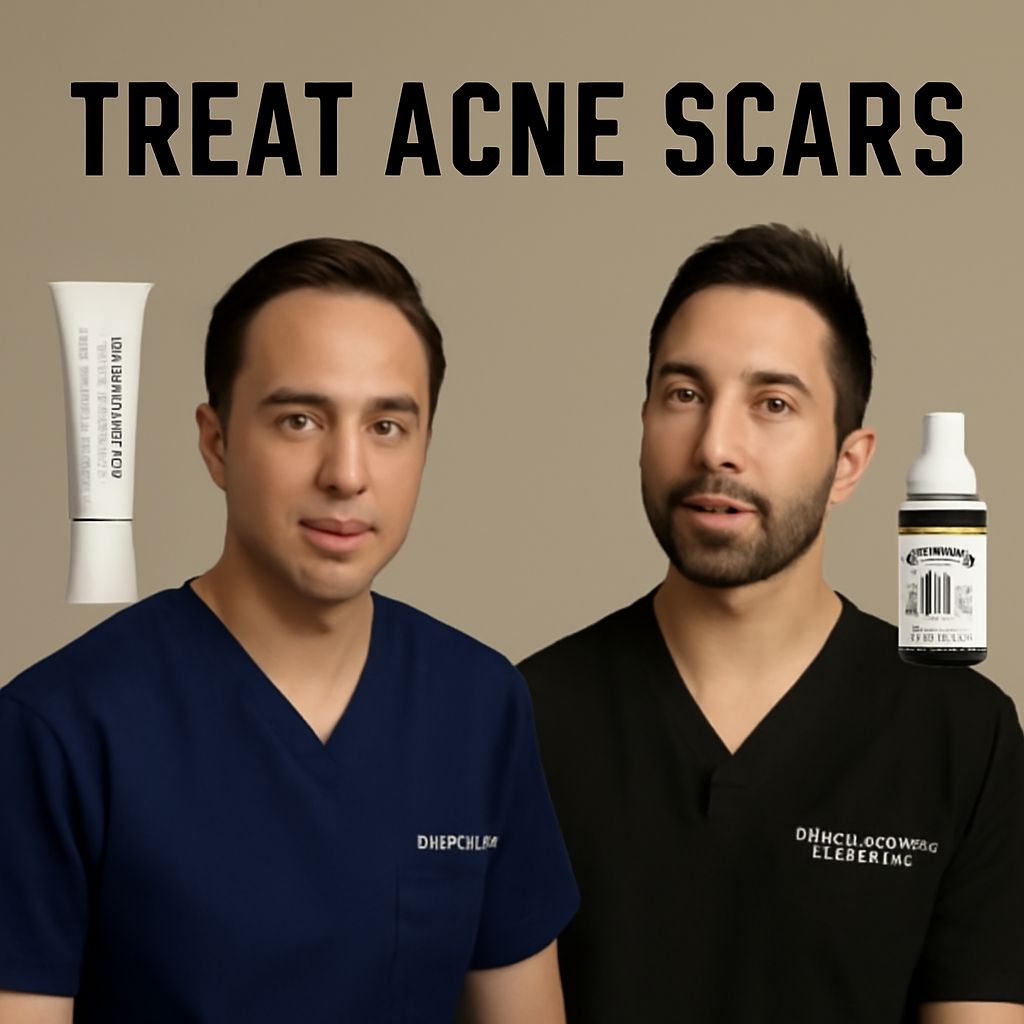
Acne scars and post-acne marks are different problems that sometimes get lumped together. The best acne scar cream for true scars works differently than treatments for hyperpigmentation. Knowing which acne scar products match your specific type of scarring saves time and money. The best cream for acne scars won’t fix deep rolling or boxcar scars, but the best acne scar removal products can make a significant difference for surface discoloration and shallow textural changes. Products to get rid of acne scars have expanded considerably, with clinical-grade ingredients now accessible at accessible price points.
This guide breaks down scar types, matches ingredients to each, and recommends specific products with honest expectations for results.
What Types of Acne Scarring Are There
Understanding your scar type determines which products will actually help.
Post-Inflammatory Hyperpigmentation (PIH)
PIH is the most common “scar” people mean: the dark or red/pink marks left after a pimple heals. These are technically not scars at all but discoloration in the upper skin layers. They fade on their own over months and respond well to topical treatments.
Atrophic Scars
These involve actual tissue loss. Ice pick scars are deep and narrow; boxcar scars are wider with sharp edges; rolling scars have a wavy texture from fibrous bands. Topical products can improve their appearance but cannot eliminate them.
Hypertrophic and Keloid Scars
These raised scars result from excess collagen production. They’re less common from facial acne and respond to different treatments than atrophic scars.
Which Ingredients Actually Address Acne Scars
For PIH and surface discoloration, the most evidence-backed ingredients include:
Vitamin C (ascorbic acid): inhibits melanin production and brightens existing discoloration. Most effective at 10-20% concentration in a stable formula.
Niacinamide: reduces melanin transfer to skin cells, improves texture, and calms inflammation. Works at 4-10% concentrations.
Retinoids: accelerate cell turnover, bringing fresh skin cells to the surface faster. Tretinoin (prescription) and retinol (OTC) both work. Tretinoin produces results faster.
Alpha arbutin: inhibits tyrosinase (a melanin-production enzyme) with fewer irritation concerns than hydroquinone.
AHAs (glycolic and lactic acid): exfoliate the surface layers and fade discoloration over time. Best for PIH rather than textural scars.
For textural scars, retinoids and certain peptides that promote collagen synthesis can improve appearance modestly over extended use.
What Are the Best Acne Scar Removal Products Available
Several specific products stand out in the acne scar category.
The Ordinary Alpha Arbutin 2% + HA: straightforward formula for PIH at a very accessible price point. Works gradually over several months.
Paula’s Choice 10% Niacinamide Booster: high-concentration niacinamide that addresses discoloration and pores simultaneously.
La Roche-Posay Cicaplast Baume B5 (as a barrier support) combined with a vitamin C serum: a layering approach that fades PIH while keeping the skin barrier strong.
Differin Adapalene Gel 0.1%: an OTC retinoid (adapalene) that accelerates cell turnover, improves texture, and prevents new acne. One of the most effective single products for both active acne and post-acne marks.
SkinCeuticals C E Ferulic: a premium vitamin C serum with proven stability and efficacy. Best acne scar cream in terms of evidence for vitamin C, but expensive.
How Long Does It Take Acne Scar Products to Work
Realistic timelines matter. PIH from mild acne typically fades in 3 to 6 months with consistent treatment. Deeper or darker PIH can take 6 to 12 months. Textural scars improve more slowly, typically showing meaningful change over 6 months to 1 year of consistent retinoid use.
Any single product used for less than 3 months hasn’t had enough time to evaluate. Consistency matters more than switching products frequently.
What Habits Support Faster Scar Improvement
Sunscreen is non-negotiable. UV exposure darkens PIH and slows fading significantly. Daily SPF 30+ over any acne scar treatment area is essential, not optional.
Don’t pick at active pimples or healing skin. Picking turns superficial pimples into deeper scars and PIH. Leaving blemishes alone is the single most effective prevention strategy.
Staying well-hydrated and supporting skin barrier health through moisturizing helps skin heal and cycle faster.
When Should You Consider Professional Treatment
For deep atrophic scars (ice pick, boxcar, rolling) that haven’t responded to topical treatment over a year, professional options produce meaningfully better results. Microneedling, chemical peels, laser resurfacing, and subcision are all evidence-based options depending on scar type. A dermatologist consultation maps the best approach to your specific presentation.
Pro tips recap: Identify whether you’re dealing with PIH (discoloration) or true textural scars before choosing products, since they respond to different ingredients. Vitamin C, niacinamide, alpha arbutin, and retinoids are the most evidence-backed ingredients for acne scar improvement. And use sunscreen daily over any treated area, as UV exposure actively works against everything else you’re applying.

Leave a Reply