
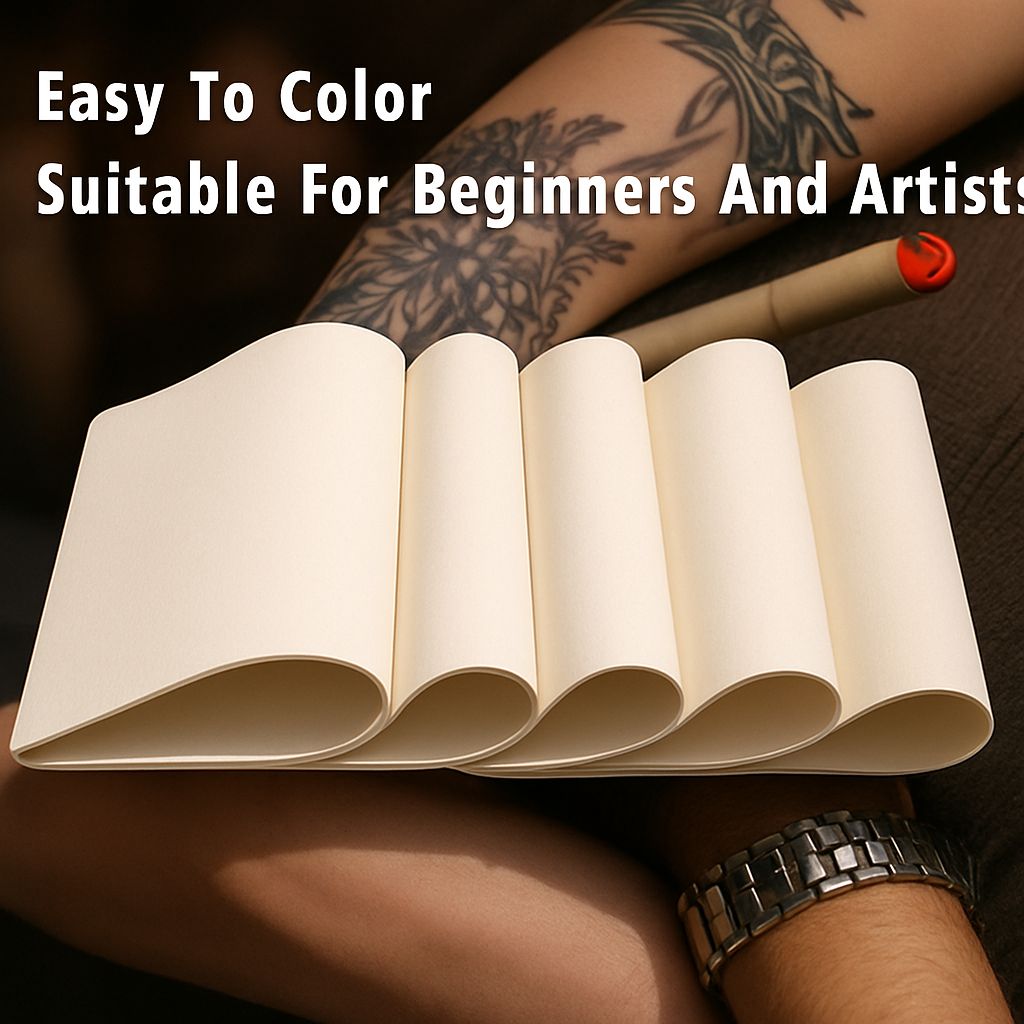
Whether you are a tattoo artist refining technique or a beginner learning needle control, tattoo fake skin provides a critical practice surface that closely mimics the resistance and texture of real skin without any of the risk. The quality of your practice material determines how transferable those skills become on an actual client. Separately, if you are looking for the best bronzer for pale skin that avoids the orange, muddy, or too-dark effect that most formulas deliver on fair complexions, the principles are similar: the right material or formula makes the work look natural, while the wrong one produces immediately visible problems.
This article covers what makes the best bronzers for fair skin and the best tattoo practice skin stand apart from generic options, with practical guidance for choosing both.
What Is Tattoo Fake Skin Made Of?
Synthetic tattoo practice skin is typically made from silicone, latex, or a combination polymer designed to replicate the feel of human dermis under a needle. High-quality silicone practice pads have a layered structure that simulates the different skin depths a needle passes through, giving artists realistic resistance and color saturation feedback. Lower-quality foam or rubber alternatives do not mimic real dermal behavior and train habits that do not transfer well.
Choosing the Best Tattoo Practice Skin
Thickness and Layering
Practice skin designed with multiple distinct layers, a surface epidermis-like layer over a deeper pad, provides the most realistic needle depth feedback. Single-layer materials offer less true-to-life resistance and do not replicate the way ink deposits at different depths in real tissue. For artists learning liner work, a thinner surface suits fine-line practice. Shading and color work benefits from a slightly denser, thicker pad.
Texture and Surface Quality
Real skin has a subtle texture that affects how needle tips track and how ink spreads. Practice skin with a matte, slightly textured surface represents this better than a glassy smooth pad. Pads that absorb ink at a realistic rate allow artists to learn the practical pacing of working a design without oversaturation.
Standalone vs. Body-Part Shapes
Flat pads suit fine-line pattern practice and stencil placement. Three-dimensional practice arms and legs provide more realistic curvature challenges that directly translate to working on clients. Advanced practitioners benefit from curved forms; beginners can start with flat pads to focus on needle control before adding the complexity of working on a curved surface.
Best Bronzers for Pale and Fair Skin
Why Most Bronzers Fail on Fair Skin
Most bronzers on the market are formulated for medium to deep skin tones, which means the pigment density and warmth is calibrated for complexions that can absorb deeper color without looking muddy. On pale skin, these bronzers read as orange, too dark, or artificially streaky. The best bronzers for fair skin use a lighter pigment load, finer shimmer particles, and a more golden or champagne tone rather than a deep copper or terracotta.
What to Look for in a Bronzer for Fair Skin
Choose bronzers described specifically as champagne, golden beige, or light bronze rather than warm bronze or deep sun-kissed. A sheer powder bronzer applied with a large fluffy brush gives a subtle, buildable warmth without depositing too much color at once. Avoid shimmer bronzers with visible chunky glitter particles, which look artificial rather than a natural sun-kissed finish on paler skin.
Application Tips for Fair Complexions
Use a light hand and tap excess product from the brush before applying to the face. Concentrate color in the areas where the sun would naturally hit: forehead temples, cheekbones, and bridge of the nose. Avoid the under-eye area and inner corners of the face. Blend thoroughly and step back to check the result in good natural light before adding more.
Comparing Practice Materials to Real Skin Feel
No synthetic material fully replicates real human skin, but top-tier silicone practice pads come close enough that technique developed on them transfers reliably. The main difference experienced tattoo artists note is that real skin has more fluid movement and variable resistance than any synthetic pad. This is why experienced artists supplement synthetic practice with occasional work on fruit skin or specialty animal skin practice materials, though these have their own limitations.
Next steps: If you are selecting tattoo practice materials, invest in layered silicone pads from a tattoo supply specialist rather than cheaper rubber alternatives. For bronzer, look for products specifically marketed for fair or light skin, test in natural daylight before buying, and apply with a large light-handed brush for the most natural effect.

Leave a Reply