
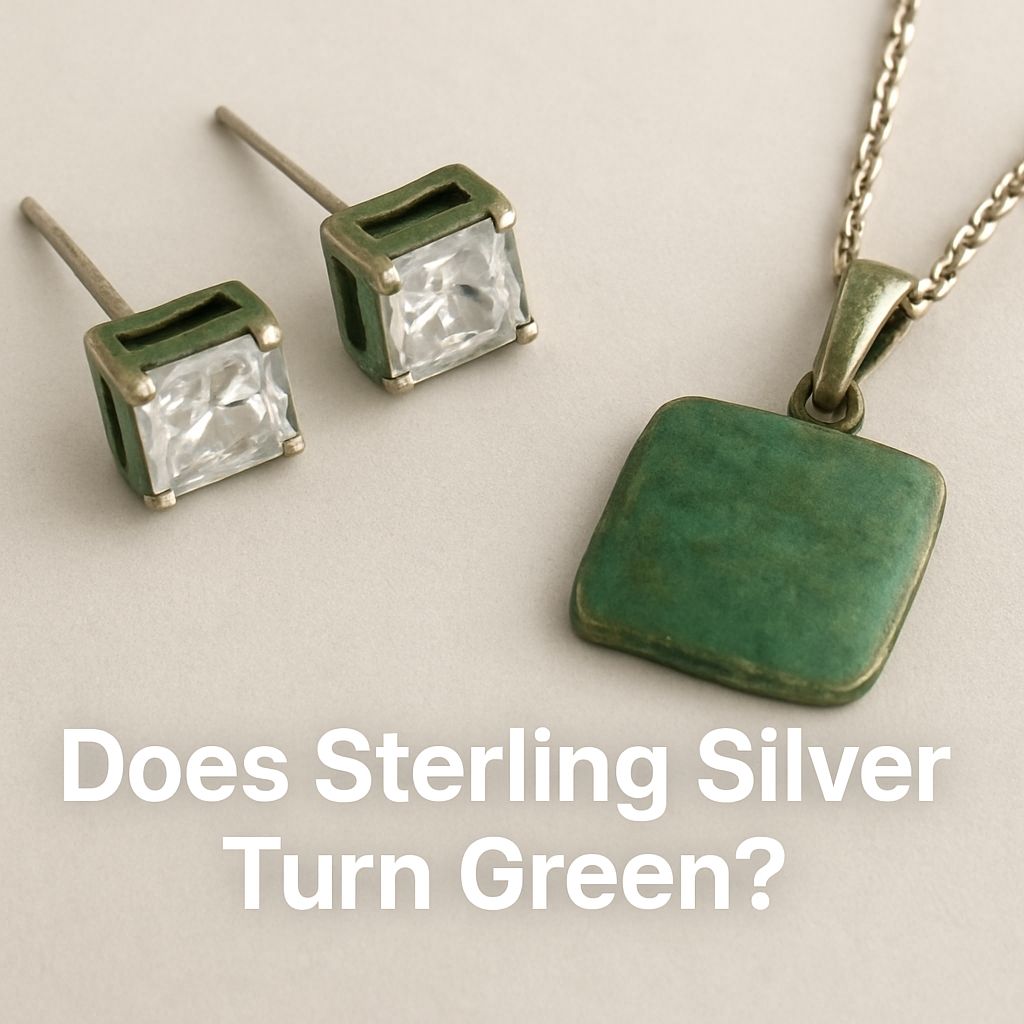
The question of whether your ring, necklace, or bracelet will leave a telltale green mark is genuinely confusing because the answer depends entirely on the metal composition, your skin chemistry, and the specific piece. Does sterling silver turn skin green? The short answer is: rarely, and less often than people fear. Sterling silver is 92.5 percent silver and 7.5 percent other metals, usually copper. Copper is the culprit behind green skin staining, so higher copper content increases the risk. Does sterling silver turn your skin green more or less than other alloys? Less than gold-filled or plated pieces, but more than pure silver.
Does stainless steel turn your skin green? Generally no, which is one reason stainless steel has become a popular affordable jewelry metal for sensitive skin. But what about green blush in the context of color-correcting makeup, or the broader question of whether does aluminum jewelry turn skin green? Each metal has a distinct answer, and understanding the chemistry helps you choose pieces that suit both your aesthetic and your skin.
Why Does Metal Turn Skin Green?
The green discoloration comes from a chemical reaction between metal ions, particularly copper, and the acids, sweat, and oils on your skin. The reaction produces copper chloride or other copper salts that deposit on the skin surface as a green or blue-green tint. This reaction is harmless, though unsightly, and washes off easily with soap and water. The rate at which it occurs varies by individual skin acidity, perspiration levels, and exposure to lotions, perfumes, and cleaning products that alter skin chemistry.
Sterling Silver and Green Skin: The Real Risk
High-quality sterling silver from reputable sources causes green staining infrequently. Tarnishing, which is a surface oxidation process, is more common and produces a dark or blackish film on the metal rather than green staining on skin. The copper in sterling alloys can react with skin acids, but the low concentration means this typically happens only in people with particularly acidic sweat or when the piece has significant tarnish buildup. Keeping sterling clean and dry reduces the likelihood substantially.
Does Stainless Steel Turn Your Skin Green?
Stainless steel contains very little or no copper in its alloy composition; it is primarily iron, chromium, and nickel. For this reason, stainless steel jewelry almost never causes green staining. Some people with nickel sensitivity may experience contact dermatitis from stainless steel with higher nickel content, which appears as redness, itching, or a rash rather than green discoloration. Surgical-grade stainless steel, known as 316L or 316 stainless, has the lowest nickel migration and is the safest option for sensitive skin.
Does Aluminum Jewelry Turn Skin Green?
Pure aluminum rarely causes green staining because it does not contain copper. Aluminum can form a thin oxide layer on skin in rare cases, but this typically appears as a gray or silver smudge rather than green. Some anodized aluminum jewelry contains colorants in the surface treatment that could potentially transfer, but this is a dye transfer issue rather than a metal reaction. Overall, aluminum is one of the least reactive metals for jewelry purposes and is generally safe for most skin types.
Green Blush in Makeup: A Different Kind of Green
The term green blush appears in beauty discussions in a completely different context: color-correcting cosmetics. Green pigment in primers and color correctors neutralizes redness on the skin by opposing red on the color wheel. This technique addresses rosacea, broken capillaries, and post-acne redness before foundation application. The result is a more even skin tone without heavy coverage. It is entirely unrelated to jewelry reactions, though both involve green pigment interacting with human skin.
How to Prevent Green Staining from Jewelry
Clean jewelry regularly with a soft cloth to prevent oxidation and tarnish buildup, which accelerates skin reactions. Remove jewelry before washing hands, swimming, or applying skincare products. Applying a thin layer of clear nail polish to the inner surface of rings and bangles creates a barrier between metal and skin. Choose higher-quality alloys: solid gold, platinum, titanium, and surgical stainless steel all have a significantly lower risk of causing green staining than costume or base metal jewelry.
Bottom line: Sterling silver turns skin green only occasionally, primarily when the copper in the alloy reacts with acidic sweat. Stainless steel and aluminum are far less likely to cause discoloration. Keeping jewelry clean and dry and creating a physical barrier with clear nail polish are the simplest prevention strategies.





Leave a Reply