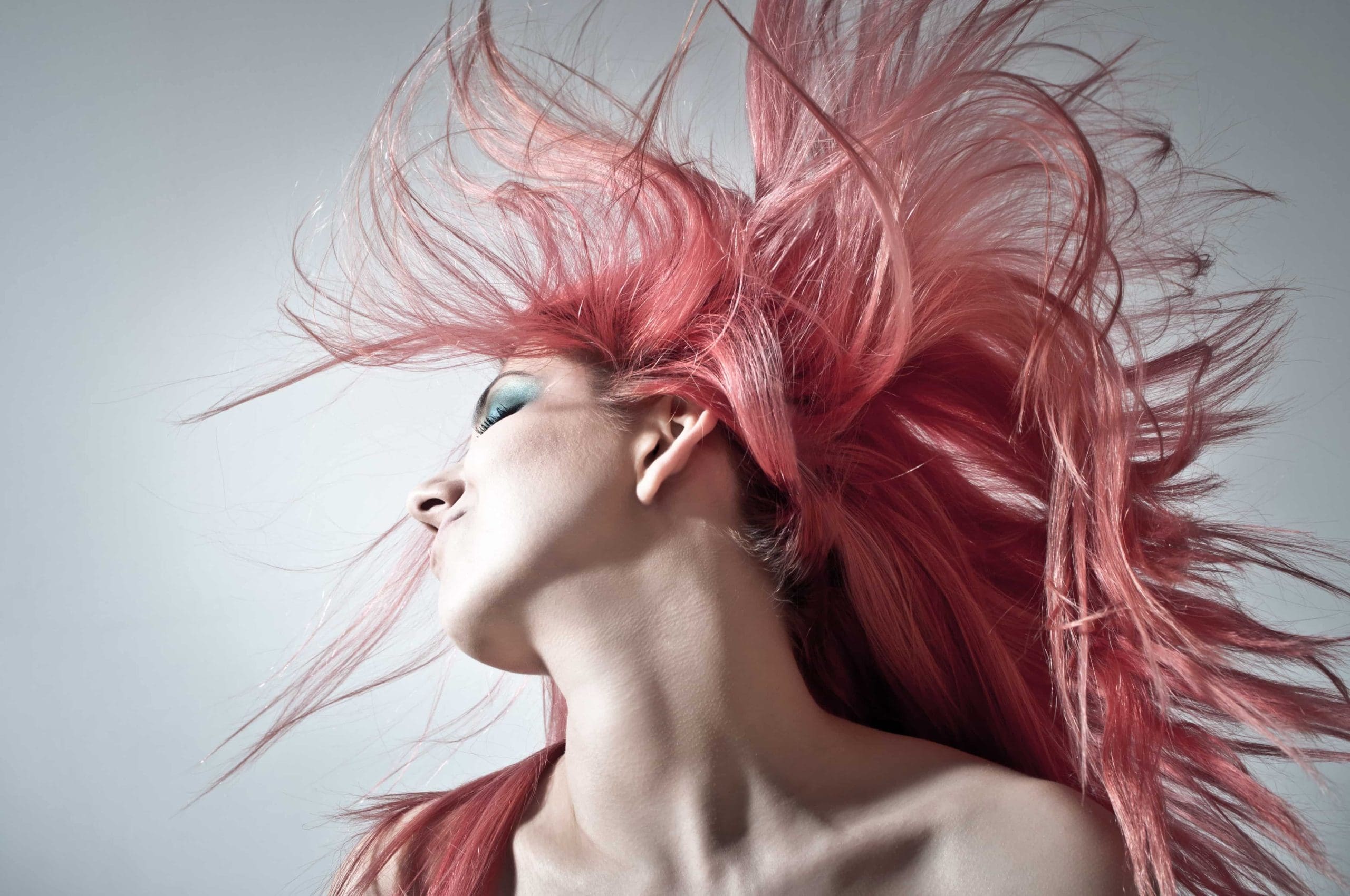
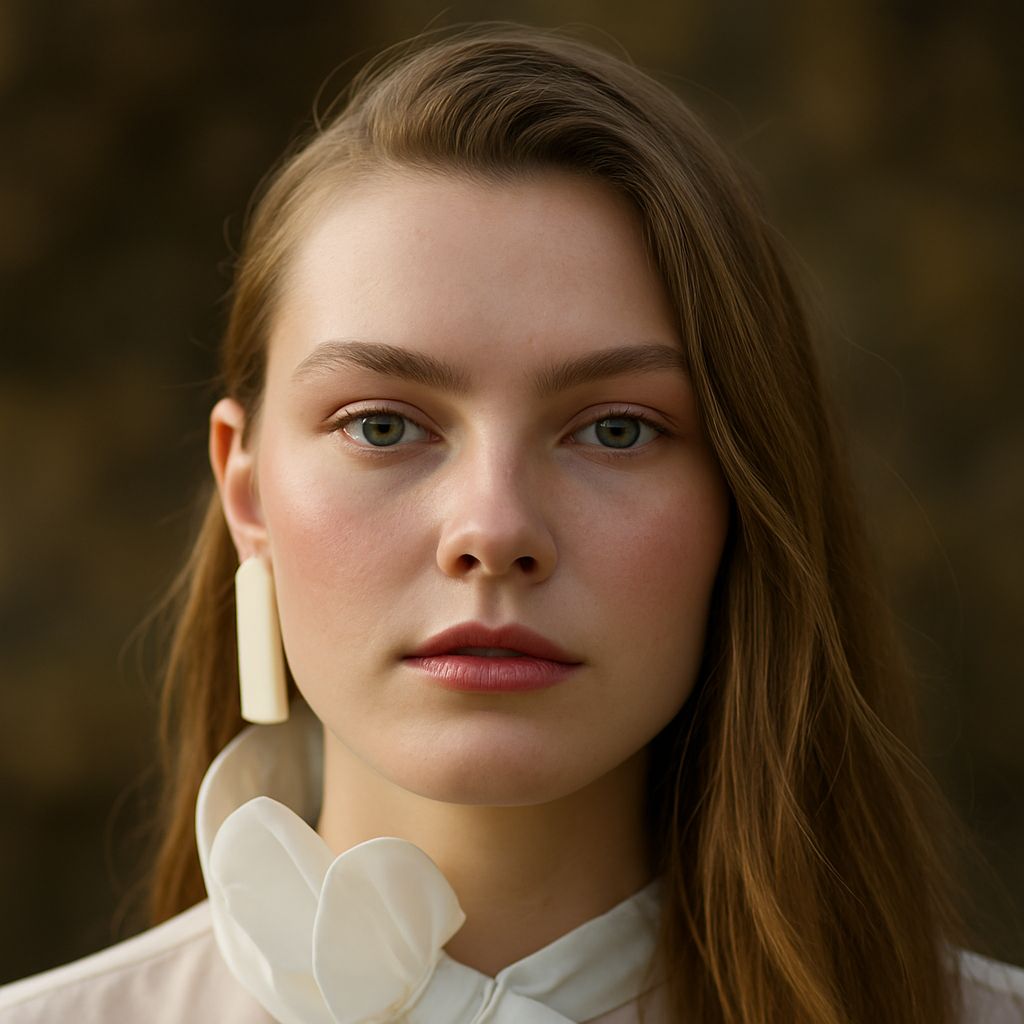
Blue blush sits at the unexpected end of the makeup color spectrum, a shade that challenges the conventional wisdom that cheek color should mimic a natural flush. Yet when applied correctly, a cool-toned blue-pink blush creates a striking contrast that works beautifully for editorial looks, evening makeup, or anyone who wants their cheekbones to photograph dramatically. The more familiar natural blush takes the opposite approach, aiming for a barely-there radiance that looks like healthy circulation rather than visible product.
Blush shoes, particularly those in dusty rose and mauve tones, have become a wardrobe staple that bridges the gap between neutral footwear and true color. Flower blush designs, whether in powder or cream formats, bring a botanical motif to cheek products that were previously plain-pressed cakes. Blush blonde is a hair color trend layering peachy-pink undertones into lightened hair for a modern, dimensional look that differs from classic platinum. Each of these categories uses the word blush to describe a distinct aesthetic, and understanding each helps you use the trend more intentionally.
How to Use Blue Blush in a Makeup Look
Skin Tones That Suit Blue-Toned Blush
Cool, blue-based blush works best on neutral to cool complexions with pink or beige undertones. On warm, golden skin, a blue-pink blush can create a grayish appearance. The application placement matters as much as the shade: sweeping the color across the temples and outer cheekbones rather than the apple of the cheeks produces a more directional, structured look that reads as intentional rather than bruised.
Application Techniques for Blue-Toned Shades
A small fan brush or a tapered blush brush deposits the product in a controlled beam. Starting with very little product and building gradually prevents over-application, which is easy to do with saturated cool-toned pigments. Setting the blush with a light dusting of translucent powder minimizes the risk of the color shifting to a harsh line as the skin warms up through the day.
Natural Blush: Formulas and Finishes That Look Like Your Skin
A natural blush formula prioritizes sheerness over pigment intensity. Cream formulas blended with fingertips melt into the skin and produce the most convincing flush for most skin types. Powder blushes in satin rather than matte finishes mimic the natural sheen of skin without adding obvious glitter. For a natural blush result, the color should be visible only when the light hits the cheekbones at an angle; if it is visible straight-on in flat lighting, it is applied too heavily or the shade is too saturated for a natural effect.
Blush Shoes: Styling the Dusty Rose Footwear Trend
Blush shoes span a range from pale nude-pink to saturated dusty rose, making them more flexible than purely nude footwear. They elongate the leg similarly to a true nude shoe by maintaining a close color relationship with most skin tones without disappearing entirely. Blush-toned shoes pair naturally with navy, ivory, and light gray, but they also contrast attractively with deep forest greens and burgundy. A heeled blush satin sandal reads as evening-appropriate, while a blush leather loafer or sneaker suits casual and smart-casual contexts equally well.
Flower Blush: Botanical Design in Modern Makeup
Flower blush products feature botanically molded surfaces where the powder is pressed into petal and leaf shapes before sale. The visual appeal is significant, but the actual performance depends on the formula beneath the decorative surface. High-quality flower blush powders use the same finely milled pigments and binders as standard pressed blush. Budget versions may sacrifice formula smoothness for the visual presentation, resulting in a patchy or powdery finish. The botanical design typically disappears after a few uses as the top layer is brushed away.
Blush Blonde Hair: Creating a Peachy-Pink Tonal Dimension
Blush blonde is a hair coloring technique that adds peachy, rose-gold, or warm pink tones to a lightened base. It sits between classic rose gold, which leans more saturated and coppery, and platinum blonde, which is entirely cool. The result is a warm blonde with enough pink warmth to photograph as distinctly rose-toned in certain lighting while appearing simply warm blonde in everyday settings. Blush blonde tones fade faster than neutral blonde because the pink pigment molecules are smaller and rinse out more quickly, requiring a color-maintaining conditioner or gloss treatment every four to six weeks.
Bottom line: Blush as a concept spans makeup, fashion, and hair, and each application has its own rules for choosing shades and techniques that flatter rather than clash. Whether exploring blue blush for a directional editorial look, shopping for blush shoes to pair with an evening outfit, or considering a blush blonde hair transformation, the unifying principle is that cooler pink tones suit cooler complexions and warmer peachy tones suit warmer ones.





Leave a Reply