
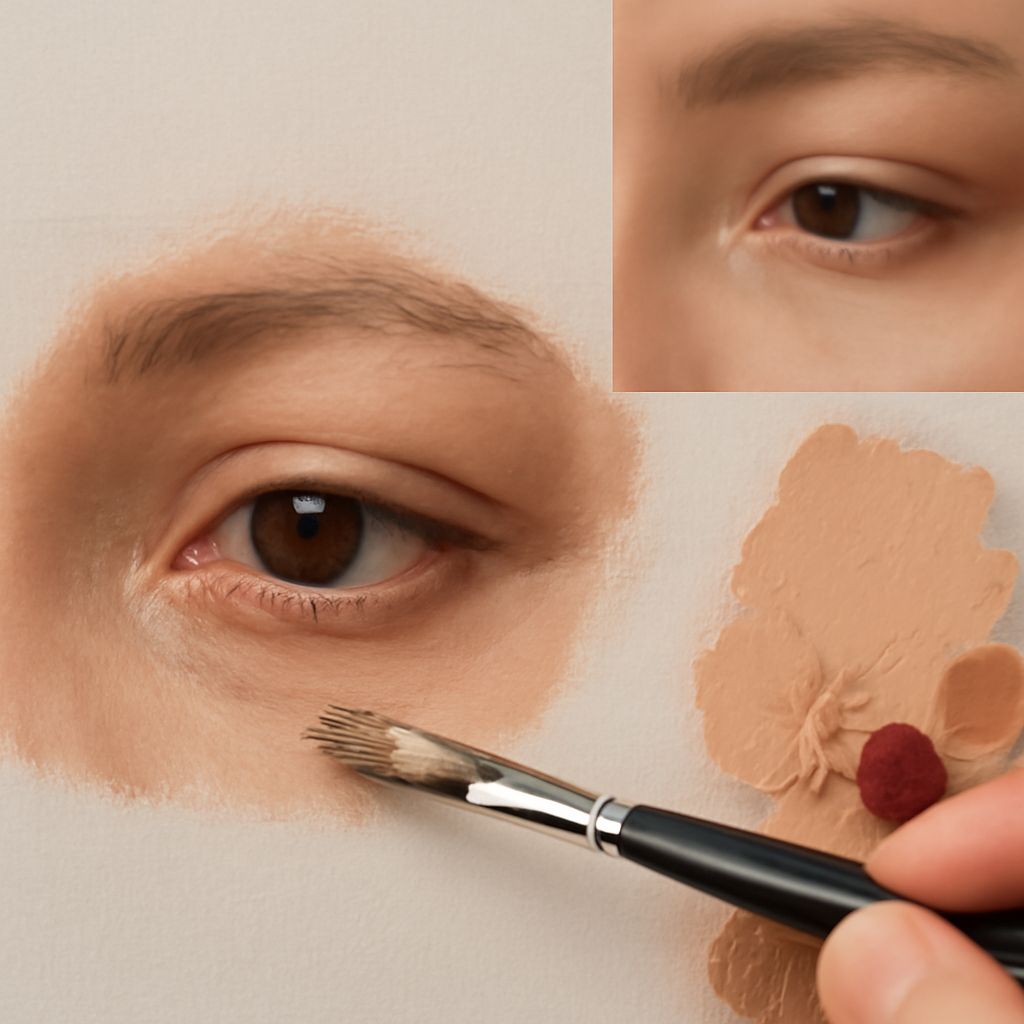
Painting realistic human figures requires an understanding of how light, pigment, and undertone interact. Learning how to make skin color with paint is one of the foundational skills every portrait artist must develop. The process of understanding how to make skin color with paint involves more than blending white and orange — effective skin tone paint mixing requires knowledge of warm and cool hues, value relationships, and the specific properties of your medium. Whether you’re working in oil, watercolor, or learning how to paint skin tones in acrylic, and whether you need skin tone acrylic paint premixed or prefer custom mixing, this guide has you covered.
Understanding the Color Theory Behind Skin Tones
Skin is not a single color — it is a complex combination of warm and cool pigments that shift with light direction, shadow depth, and anatomical curvature. Most skin tones contain some proportion of red, yellow, and brown pigments, modified by the degree of melanin present. Lighter skin tones often have more pink or peachy hues with visible blue or green undertones in shadowed areas. Medium tones skew more toward golden yellow or olive. Deeper tones incorporate more red-brown and blue-black values. Understanding these underlying color relationships is the foundation of realistic skin tone mixing.
How to Make Skin Color: Basic Mixing Formulas
The classic starting point for mixing a basic skin tone paint is combining white, cadmium red (or crimson), yellow ochre, and a small amount of burnt sienna. For lighter complexions, add more white and less sienna. For medium tones, balance red and yellow ochre with less white and more brown. For deeper tones, increase burnt umber or raw umber and reduce white significantly. These base mixes serve as a starting point — real paintings require continuous adjustment as you observe your reference under changing light.
Skin Tone Acrylic Paint: Premixed vs. Custom
Many manufacturers offer skin tone acrylic paint in small premixed tubes or sets labeled “flesh,” “peach,” or “portrait.” These are useful as a starting reference but are rarely sufficient on their own for creating realistic, diverse representations of human skin. Custom mixing gives the artist control over undertone, value, and chroma — the three variables that make skin feel lifelike rather than flat. Premixed skin tones work well as a base that you modify with your own additional pigments.
How to Paint Skin Tones in Acrylic: Step-by-Step Approach
When learning how to paint skin tones in acrylic, begin by blocking in your mid-tone — the average color of the lit areas of the skin. Then mix a shadow tone by adding a complementary color (not black) to your mid-tone: muted blue, violet, or green shifts the tone darker while keeping it colorful. Mix a highlight tone by adding white and a small amount of yellow or pink to the mid-tone. Apply these three tones in flat areas first, then blend transitions where light meets shadow using thin glazes or wet-on-wet blending while the paint is still workable.
Mixing Different Skin Tones: Fair to Deep
For fair skin, build from a pink-white base and add tiny amounts of yellow ochre, cadmium red light, and transparent red oxide for warmth in the shadows. For medium olive tones, start with a yellow ochre base, add raw umber for depth, and introduce a touch of green or blue in the shadows. For deep skin tones, work with rich mixtures of burnt umber, cadmium red deep, and ultramarine blue, adding white only sparingly for the lightest highlights. In all cases, test your mixes on a palette or scrap paper before committing to the canvas.
Common Mistakes When Mixing Skin Tones
The most common errors include using black to darken shadows (which creates a muddy, lifeless result — use complementary colors instead), making skin too orange (too much red without sufficient yellow balance), and overusing white (which creates chalky, opaque tones that kill vibrancy). Also avoid neglecting the temperature shifts that occur as light wraps around a form — warm light sources create warm lights and cool shadows, while cool light sources invert this relationship.
Recommended Palette for Skin Tone Painting
A versatile skin-tone palette includes: titanium white, yellow ochre, cadmium red medium, burnt sienna, burnt umber, raw umber, cadmium yellow pale, and either ultramarine blue or dioxazine purple for shadow mixing. This eight-color selection covers the full range of human skin tones from the palest complexions to the deepest. Adding a transparent red oxide or Indian red expands your warm shadow options further.
Safety recap: When mixing paints, use a clean palette knife or dedicated mixing tool. Avoid skin contact with cadmium-based pigments when possible — these heavy metals carry health risks with prolonged exposure. Wash hands thoroughly after painting sessions.




Leave a Reply