
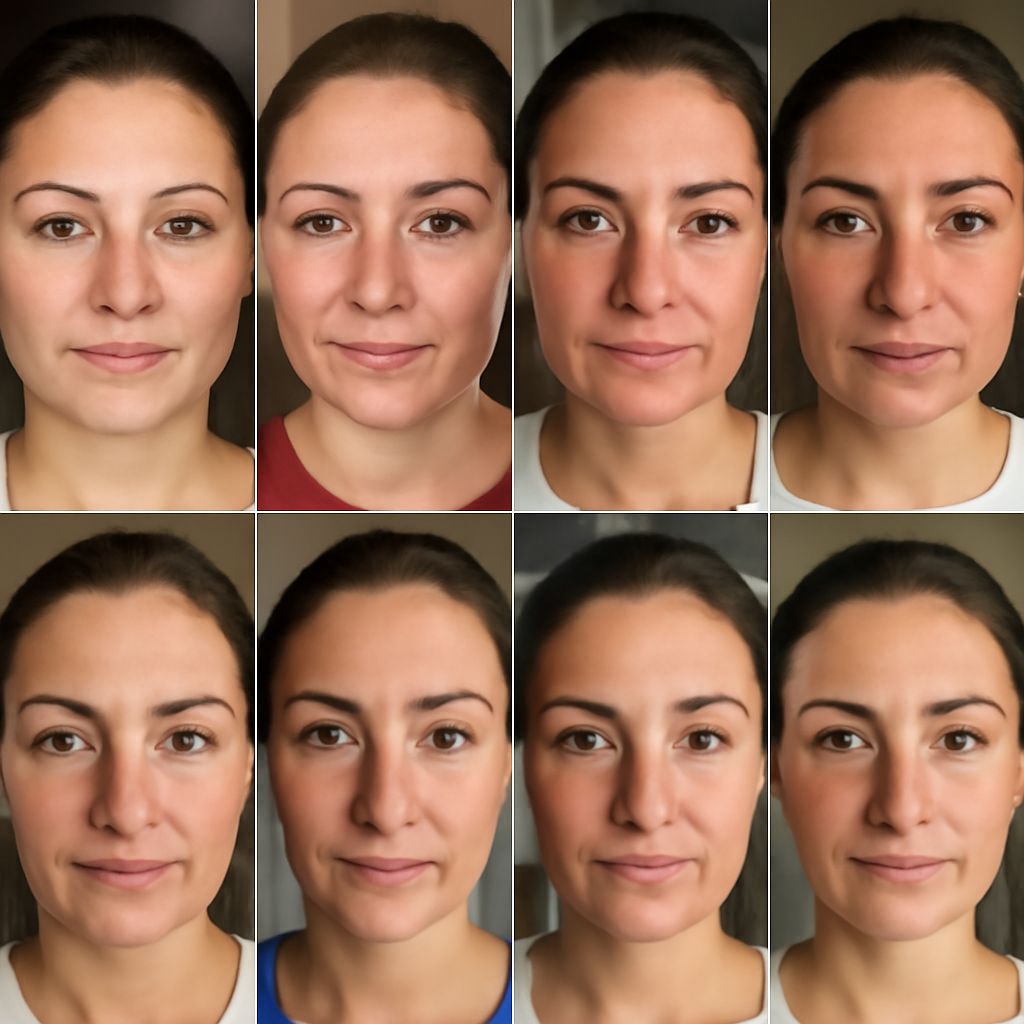
The transformation that a well-performed chemical peel produces can be dramatic — smoother texture, reduced pigmentation, and a more youthful complexion. But the journey requires preparation, realistic expectations, and proper aftercare. Whether you’re reviewing chemical peel before and after transformations online or preparing for your first treatment, understanding what happens to your skin at each stage helps you make the best decisions. Looking at before and after chemical peel results across different peel depths — from superficial glycolic treatments to deep phenol peels — reveals a wide range of outcomes. Chemical peel before after documentation also shows that results depend heavily on skin type, peel selection, and post-treatment care. This guide covers everything from reviewing chemical peel pictures realistically to understanding the specific promise of a chemical peel for wrinkles before and after.
Types of Chemical Peels and Their Expected Results
Chemical peels are categorized by depth: superficial (light), medium, and deep. Light peels use alpha or beta hydroxy acids (glycolic, lactic, salicylic) to exfoliate only the outermost skin layer. Medium peels — typically trichloroacetic acid (TCA) at 20–35% concentration — penetrate into the upper dermis. Deep peels using phenol reach the mid-reticular dermis, producing the most dramatic but also most intensive recovery. The before and after results scale correspondingly: light peels produce subtle refinement over multiple sessions, while medium and deep peels can dramatically reduce wrinkles, severe pigmentation, and significant textural damage in a single treatment.
Preparing Your Skin for a Chemical Peel
Proper preparation dramatically improves chemical peel outcomes. In the weeks before a treatment, incorporate retinoids and AHAs gradually to “pre-condition” the skin and ensure even peel penetration. Discontinue retinoids 5 to 7 days before the procedure to reduce sensitivity. Avoid sun exposure and tanning — UV-damaged skin peels unpredictably and is at higher risk for post-inflammatory hyperpigmentation. Inform your provider about any history of cold sores, as deeper peels can trigger herpes simplex reactivation requiring prophylactic antiviral treatment.
The Peeling Process: Day by Day
The chemical peel before after transition happens gradually. Day 1–2: redness and tightness, minimal visible peeling. Day 3–4: peeling begins, ranging from fine flaking (light peels) to substantial sheet-like shedding (medium peels). Days 5–7: peak peeling occurs — the skin should not be picked or manually removed, as this risks scarring. Days 7–14: new skin emerges, initially pink and sensitive. Weeks 2–4: pinkness fades and skin settles into its improved appearance. The full results of a medium or deep peel may continue to develop for 3 to 6 months as collagen remodeling proceeds.
Chemical Peel for Wrinkles Before and After: Realistic Expectations
A chemical peel for wrinkles before and after comparison shows the most benefit for fine lines and superficial wrinkles, particularly those resulting from sun damage and photoaging. Deep phenol peels show the most dramatic wrinkle reduction — in documented chemical peel pictures, before-and-after comparisons sometimes show 10 to 20 years of apparent age reversal in wrinkle depth and skin quality. Medium TCA peels address moderate wrinkles and pigmentation effectively. Light peels improve texture and provide subtle smoothing but do not significantly reduce deep or expression lines.
What Chemical Peel Pictures Don’t Always Show
Reviewing before and after chemical peel images online can be misleading without context. Photos are often taken at optimal lighting and timing — weeks after the redness has resolved but before any product-use-related improvements from the new daily routine that typically accompanies post-peel care. Depth of treatment, skin type, age, and pre-existing damage all significantly influence results. Single images don’t convey the recovery process, the number of treatments performed, or the maintenance protocol used.
Post-Peel Skincare: Protecting Your Investment
After any chemical peel depth, strict sun avoidance and high-SPF protection are mandatory. New post-peel skin is significantly more photosensitive and vulnerable to UV-induced pigmentation changes. Use a broad-spectrum SPF 50 physical sunscreen and reapply every two hours if outdoors. Avoid active ingredients (retinoids, acids, vitamin C) until the skin has fully healed — typically 1 to 2 weeks for light peels and up to 3 to 4 weeks for medium peels. Use only gentle, fragrance-free moisturizers and cleansers during recovery.
Pro tips recap: The best chemical peel outcomes are achieved when preparation, professional application, and diligent post-peel care are all in place. Consult a board-certified dermatologist to select the appropriate peel depth for your skin type, concerns, and recovery availability before scheduling any treatment.





Leave a Reply