
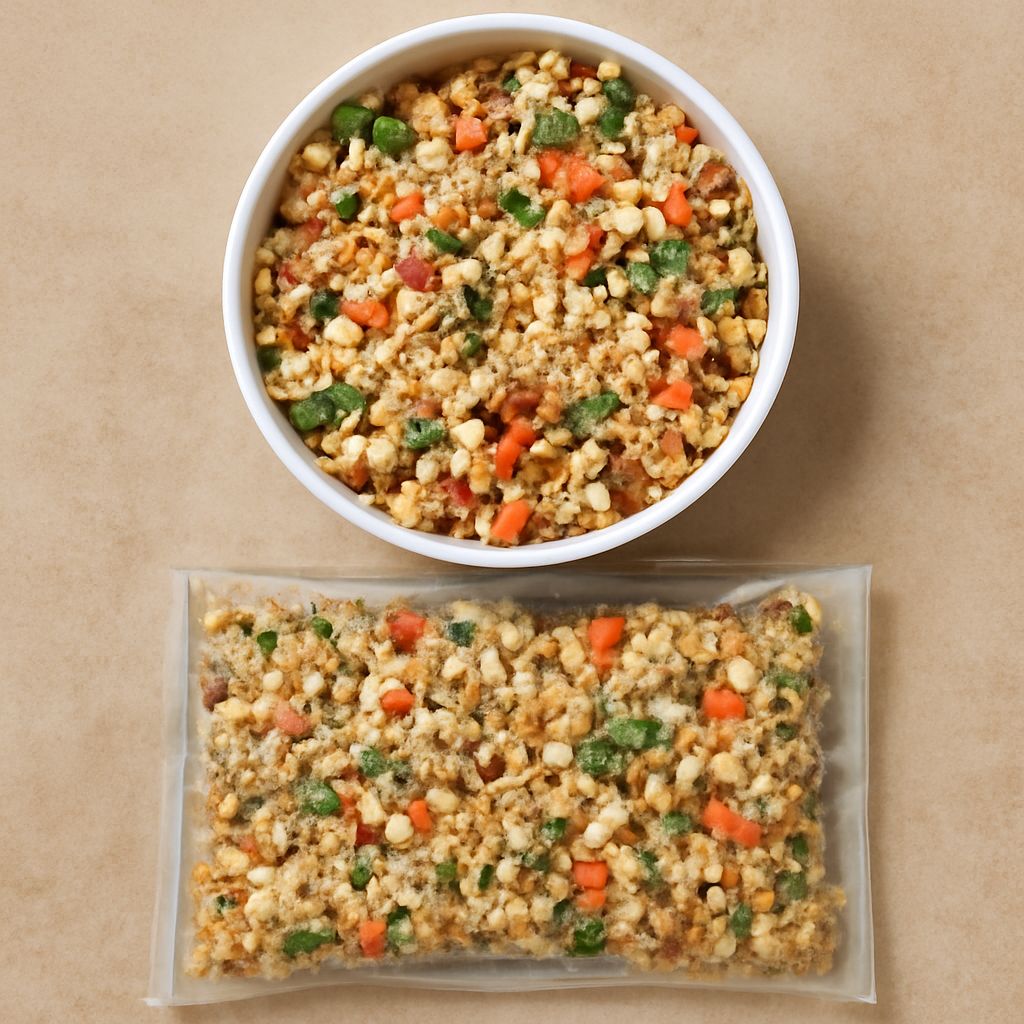
What you or your pet eats has a direct impact on skin health — for humans and animals alike. Chicken skin food — the crispy rendered outer layer of poultry — is a delicacy with a nutritional profile worth examining, while the question of the best dog food for skin and coat matters enormously to pet owners managing dry, dull, or itchy coats. On the human side, the link between diet and skin is also captured by common questions like does spicy food cause acne and spicy food acne connections. And for those interested in serving chicken skin as a pet treat, knowing where to buy chicken skin and how to prepare it safely matters too.
Chicken Skin as a Food: Nutrition and Considerations
Chicken skin is a rich source of monounsaturated and polyunsaturated fatty acids, alongside a significant amount of saturated fat. Nutritional analyses show that 100 grams of cooked chicken skin contains roughly 400–450 calories, 40–50 grams of fat, and minimal carbohydrates. While the fat content may seem alarming, the fatty acid composition includes oleic acid — the same anti-inflammatory fat found in olive oil. The concern with regular chicken skin consumption lies more in caloric density and preparation method (particularly when fried) than in any inherently problematic nutrient.
Where to Buy Chicken Skin: Sources and Preparation
For those seeking to render or cook where to buy chicken skin as an ingredient: many butchers and specialty grocers sell chicken skins separately and affordably. Online butchers and wholesale poultry suppliers also carry them in larger quantities. Chicken skins can be rendered at home on a sheet pan at 375°F until golden and crispy — a process that drives off excess moisture and produces a shelf-stable, crunchy snack. Rendered chicken fat (schmaltz) produced in the process is a traditional cooking ingredient with rich flavor.
Best Dog Food for Skin and Coat: What to Look For
The best dog food for skin and coat prioritizes high-quality protein sources, adequate omega-3 and omega-6 fatty acid ratios, zinc, biotin, and vitamins A and E. Omega-3 fatty acids (EPA and DHA) — found in fish meal, fish oil, and flaxseed — are the most critical nutritional factor for coat luster and skin barrier health. Look for foods with named animal proteins (chicken, salmon, beef) as the first ingredient, and avoid products relying heavily on corn syrup, artificial preservatives, or unspecified “meat by-products.”
Can You Feed Chicken Skin to Dogs?
Plain, unseasoned, cooked chicken skin can be offered to dogs in very small quantities as an occasional treat — not as a dietary staple. The high fat content of chicken skins poses a pancreatitis risk in dogs, particularly those with a history of digestive issues or obesity. Seasoned, fried, or salted chicken skin should never be given to dogs. If you want to boost your dog’s coat health with dietary fat, fish oil supplements provide a controlled dose of omega-3s without the pancreatitis risk associated with large fat loads.
Does Spicy Food Cause Acne? The Science Examined
The relationship between does spicy food cause acne is not direct — capsaicin (the compound that makes food spicy) does not itself trigger acne. However, spicy foods do cause vasodilation and can increase sweating, which may temporarily worsen existing inflammatory skin conditions or contribute to sweat-related comedone formation in prone individuals. The indirect connection between spicy food acne also involves digestive responses — spicy foods that cause gut distress or dysbiosis in susceptible individuals may indirectly worsen skin through the gut-skin axis.
Diet, Inflammation, and Skin Health Across Species
Both human and canine skin health are profoundly shaped by dietary inflammation. High glycemic foods in humans (processed carbs, sugars) and low-quality fillers in dog food (corn, soy, artificial additives) both drive systemic inflammation that manifests visibly in skin and coat quality. Anti-inflammatory dietary patterns — rich in omega-3 fats, antioxidants, zinc, and quality protein — consistently produce improvements in skin texture, coat sheen, and reduced inflammatory skin symptoms in both humans and pets when sustained over several weeks.
Key takeaways: Nutrition is one of the most impactful levers for skin and coat health — in both humans and pets. Choose whole-food protein sources, prioritize omega-3 fatty acids, and limit high-glycemic or inflammatory dietary patterns to see meaningful improvements in skin quality over time.




Leave a Reply