
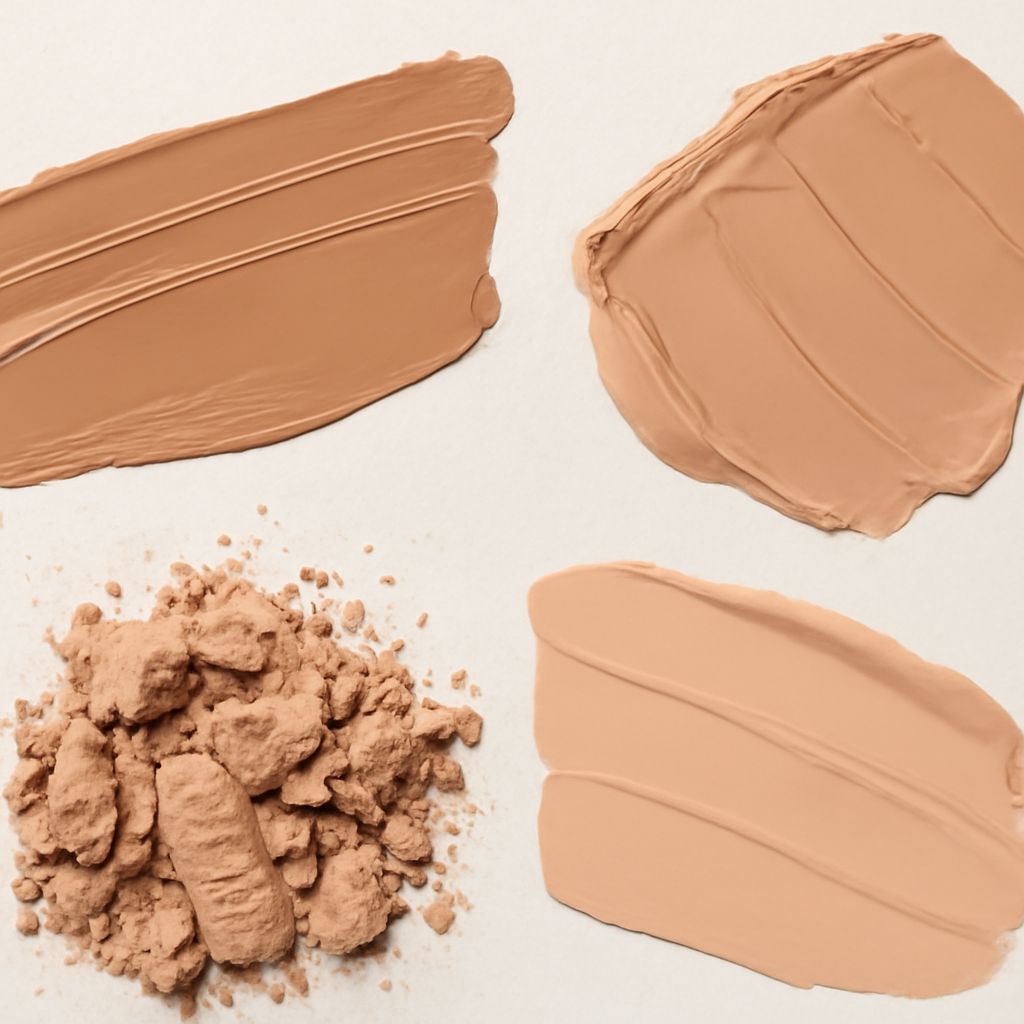
Combination skin presents a unique makeup challenge: an oily T-zone (forehead, nose, chin) coexisting with normal to dry cheeks requires a foundation formula that balances both zones without highlighting either. Finding the right foundation for combination skin means selecting products that control shine in oily areas while providing enough moisture in drier zones. The best foundations for combination skin achieve this balance through carefully calibrated formulas. Whether you’re evaluating a combination skin foundation in liquid, powder, or serum form, a good foundation for combination skin should feel comfortable across all skin regions without midday breakdown. This guide examines what to look for in foundations for combination skin and how to apply them optimally.
Understanding Combination Skin and Its Foundation Challenges
Combination skin is characterized by excessive sebum production in the central facial panel (T-zone) and relatively normal or even dry sebum levels elsewhere. This sebum imbalance means that heavy, oil-based foundations slide and migrate in the oily areas while the same formula may feel tight or accentuate dry patches on cheeks. Conversely, foundations designed for dry skin add moisture that the T-zone doesn’t need and accelerates breakdown. The ideal foundation formula sits between these extremes — light enough not to congest the oily zone, hydrating enough not to emphasize dry areas.
What to Look for in a Foundation Formula for Combination Skin
The best combination skin foundation formulas typically share these qualities: water-based or light serum consistency (neither oil-free extreme nor heavily moisturizing), buildable medium coverage, a natural matte to satin finish (not dewy or full-matte), non-comedogenic certification, and inclusion of ingredients that regulate without stripping — niacinamide, lightweight hyaluronic acid, or kaolin in moderate amounts. Avoid heavy silicone-based foundations that trap oil in the T-zone and thick cream foundations that emphasize dryness on the cheeks.
Best Foundations for Combination Skin by Format
Serum foundations are increasingly popular for combination skin — their lightweight, water-dominant base provides hydration without heaviness, and most include skincare actives that benefit multiple skin zones simultaneously. Lightweight liquid foundations with a natural finish provide the most universally flattering result for combination types. Stick foundations can work but require careful application to avoid over-concentrating product in oily areas. Powder foundations are better reserved for touch-ups rather than full coverage on combination skin, as they may accentuate dry patches on cheeks while performing well in the T-zone.
Application Technique for Combination Skin
Application method significantly influences how a combination skin foundation performs. Use a damp beauty sponge (bounced, not dragged) for the most even, skin-seamless application — this technique deposits less product overall, reducing the risk of T-zone congestion while providing adequate coverage on drier areas. Apply a lighter layer in the T-zone and a slightly more generous application on cheeks if needed. Primers can address zone-specific concerns before foundation: a mattifying primer in the T-zone and a hydrating primer on dry cheeks create a customized base.
Setting and Longevity Strategies
To make a good foundation for combination skin last through the day: set the T-zone with a light, translucent powder immediately after application. Leave cheeks lightly set or unpowdered to preserve moisture. Use a setting spray formulated for balanced skin — not specifically mattifying or hydrating — over the entire face to lock product in place. Throughout the day, use oil-blotting papers rather than additional powder in the T-zone to manage shine without adding product layers that can cake or emphasize texture.
Shade Matching for Combination Skin
Shade matching for combination skin follows the same rules as any skin type, but watch for one combination-specific issue: oxidation. Because the T-zone is oilier, foundation may oxidize (shift slightly darker or oranger) in that region over time. Test potential shades in natural daylight after wearing for at least 30 minutes to observe whether oxidation occurs. If it does, consider a shade half a step lighter than your natural match, or use an oxidation-controlling primer.
Transitioning Your Foundation Routine Seasonally
Combination skin often becomes more oily in summer heat and more dry in winter cold. Keep two foundation formulas on rotation: a slightly more mattifying version for summer and a slightly more hydrating formula for winter months. Adjust primer use accordingly. This seasonal adaptation prevents the frustration of a foundation that worked perfectly in one season performing poorly when conditions change.
Safety recap: If you develop contact dermatitis or persistent breakouts after starting a new foundation, discontinue use and allow the skin to recover before patch-testing an alternative formula. Always test new products along the jaw before full-face application.





Leave a Reply