
Nail care encompasses a wide spectrum — from the relaxing ritual of a salon pedicure to the commitment of acrylic nail enhancements. If you’re weighing whether the investment is worth it, understanding the typical acrylic nails price range helps set expectations. And if you’ve already committed to acrylics and want to remove them at home, knowing how to remove acrylic nails without acetone is a valuable skill. Similarly, understanding how much does acrylic nails cost across service levels helps you budget appropriately, while cost of acrylic nails variation between salon types, locations, and nail styles is worth exploring before booking.
What Is a Pedicure and What Does It Include?
A pedicure is a professional foot and lower leg care treatment that typically includes: soaking the feet in a cleansing bath, nail trimming and shaping, cuticle care, callus removal via filing or chemical softener, exfoliation of the lower leg, massage, and nail polish application. Basic pedicures at most salons take 30 to 45 minutes. Deluxe or spa pedicures extend to 60 to 90 minutes with additional steps: paraffin wax treatments, extended massage, hot stone therapy, or gel polish application. Pedicures are performed on both natural nails and toenails with existing gel or acrylic enhancements.
Acrylic Nails Price: What to Expect
The acrylic nails price at a standard nail salon ranges from $35 to $60 for a full set, while mid-range to premium salons may charge $70 to $120 or more depending on design complexity, nail length, and geographic location. Fill-in appointments (typically needed every 2 to 3 weeks as the natural nail grows) generally cost $25 to $50. Specialty acrylic designs — including ombre, 3D nail art, or crystal embellishments — add $10 to $50 or more to the base price.
How Much Does Acrylic Nails Cost: Factors That Influence Pricing
Understanding how much does acrylic nails cost at different establishments requires considering several variables. Geographic location is the most significant driver — salon prices in major urban markets can be 40 to 60% higher than in smaller towns. Nail technician experience level, salon reputation, and the quality of acrylic products used also affect pricing significantly. Additionally, the shape you choose (coffin, stiletto, almond, square) and the length you desire influence both price and maintenance frequency. Most reputable salons list their standard service menu prices publicly — always confirm total pricing before committing.
How to Remove Acrylic Nails Without Acetone
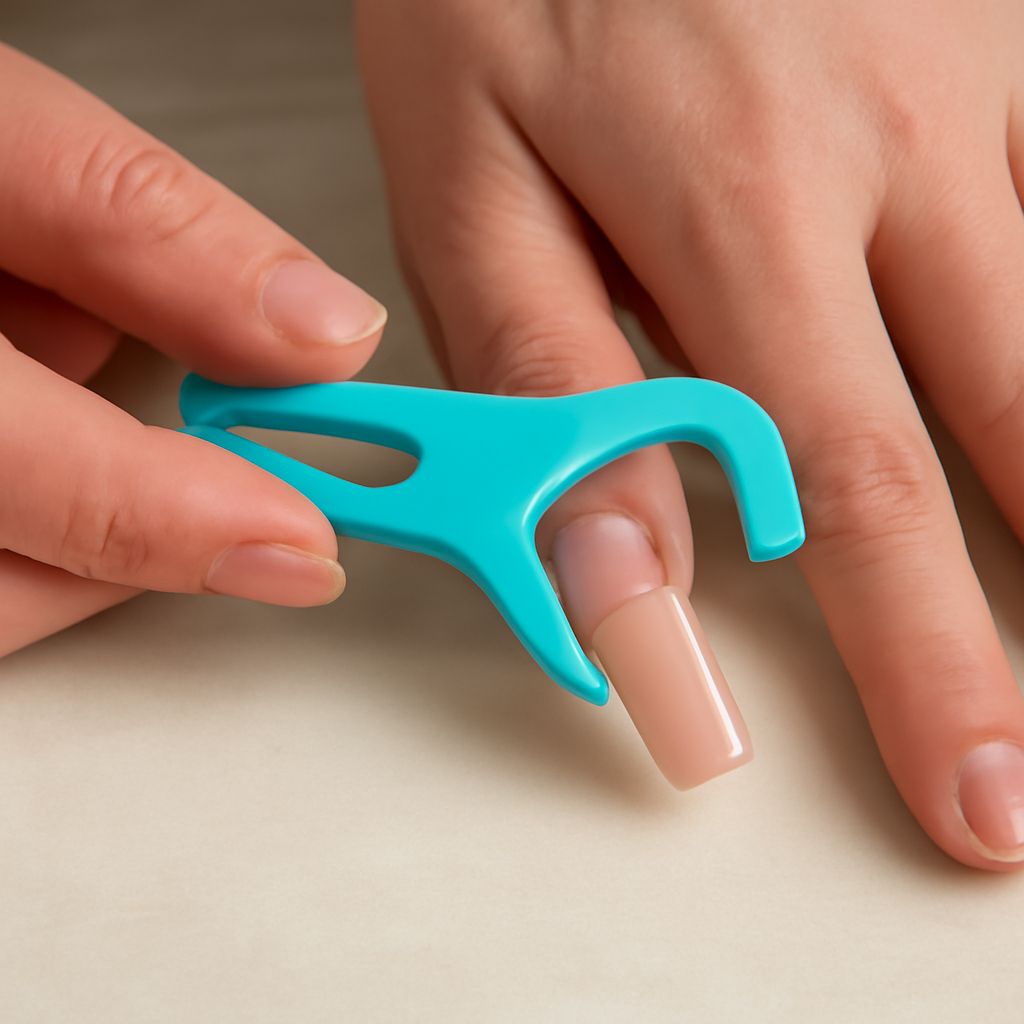
While acetone is the most effective solvent for acrylic removal, how to remove acrylic nails without acetone is a legitimate concern for those with acetone sensitivity, respiratory sensitivity, or dry skin. The most effective non-acetone method is the dental floss approach: gently lift the edge of the acrylic near the cuticle using a cuticle pusher, then slide dental floss or a thin, flexible nail tool under the edge and rock it back and forth with a sawing motion to separate the acrylic from the natural nail plate. This requires patience and carries a risk of natural nail damage if forced. Alternatively, nail polish remover containing ethyl acetate rather than acetone will dissolve acrylic, though more slowly.
Cost of Acrylic Nails: Comparing Salon vs. DIY Kits
The cost of acrylic nails applied professionally includes a service cost that covers technician time, materials, and salon overhead. DIY acrylic nail kits are available for $15 to $40 and can reduce per-application cost significantly — but they require skill to apply correctly and typically don’t produce the same quality or longevity as professional application. For beginners, professional application is strongly recommended for the initial set, with DIY fills considered only after understanding the material’s behavior and application technique.
Nail Health During and After Acrylic Wear
Prolonged acrylic wear can thin, weaken, and dehydrate natural nails through the filing required for application, the physical weight of the enhancements, and potential fungal or bacterial growth if moisture becomes trapped at the nail-acrylic interface. Take “nail vacations” — periods of 4 to 6 weeks without acrylics — to allow the natural nail to recover. During these breaks, apply cuticle oil daily, use a nail strengthener, and keep natural nails trimmed to prevent breakage. Biotin supplementation has modest evidence for supporting nail strength during and after acrylic wear.
Safety recap: Never attempt to forcibly pull off acrylic nails — this tears the natural nail plate and can cause significant pain and long-term nail damage. If acetone-free removal methods prove insufficient, visit a professional for safe removal rather than forcing the acrylic off.



Leave a Reply