
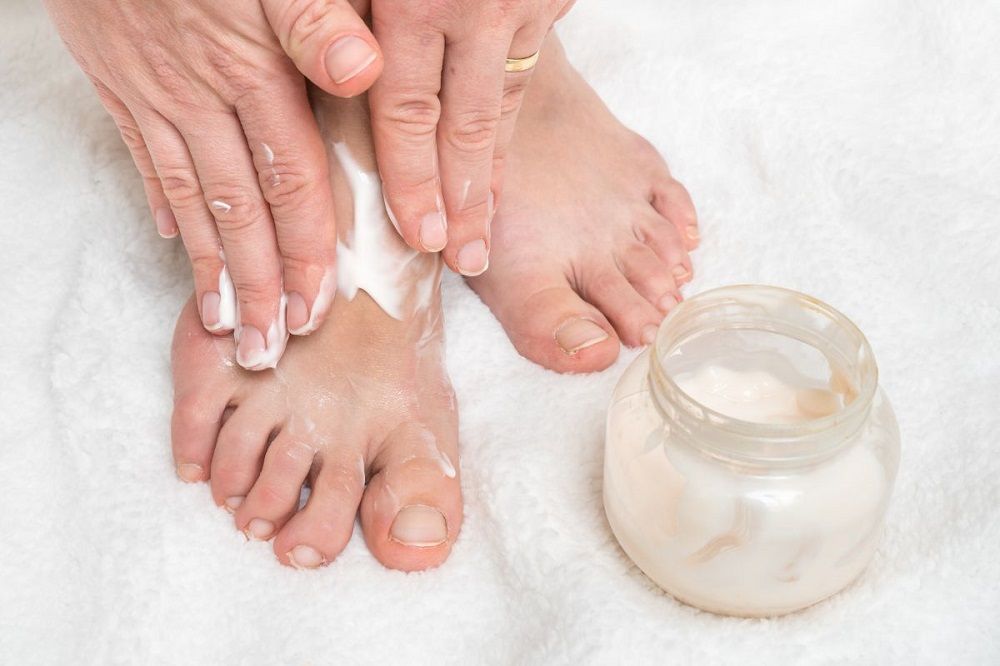
Skin peeling off bottom of feet is common enough that most people have experienced it at least once, but the causes range from the entirely benign to conditions that need attention. Skin peeling on bottom of feet can result from something as simple as friction and dehydration, or it can signal athlete’s foot, eczema, or a thyroid condition. Knowing the difference prevents unnecessary worry and ensures that treatable conditions get proper care rather than being dismissed as cosmetic issues.
Peeling skin on bottom of feet feels rough and may occur in patches or across the entire sole, depending on the cause. Flaky skin on feet that appears after summer months often traces to prolonged sandal wear that exposes the sole to UV and dry air. Peeling skin on bottom of feet treatment starts with identifying the underlying trigger, since the same symptom can require entirely different interventions depending on whether the cause is fungal, inflammatory, or mechanical.
Common Causes of Skin Peeling on the Soles of the Feet
Athlete’s Foot (Tinea Pedis)
Athlete’s foot is a fungal infection caused primarily by Trichophyton species. The classic presentation involves peeling and scaling between the toes, but the moccasin pattern of tinea pedis covers the entire sole with dry, flaky skin that can be mistaken for simple dryness. The distinguishing features are mild itching, a tendency to affect one foot more than the other in early stages, and gradual spreading. Over-the-counter antifungal creams containing clotrimazole, miconazole, or terbinafine resolve most cases within two to four weeks of consistent daily application.
Dry Skin and Dehydration
The soles of the feet have no sebaceous glands, making them uniquely dependent on external moisture. Low humidity, frequent showering in hot water, and certain medications reduce moisture levels in the foot skin, producing flaky skin on feet without infection. This type of peeling tends to be fine, diffuse, and non-itchy. Regular application of a thick emollient cream containing urea, shea butter, or glycerin restores the skin barrier within one to two weeks.
Contact Dermatitis
Reactions to shoe materials, rubber insoles, leather dyes, or synthetic sock fabrics can cause localized peeling on the sole or foot edges. The rash pattern mirrors the area of contact, making the trigger identifiable. Switching to cotton socks and natural-material footwear, combined with a short course of topical hydrocortisone, resolves most contact reactions.
Peeling Skin on Bottom of Feet: Inflammatory Conditions
Palmoplantar Psoriasis
Psoriasis of the palms and soles produces thick, silvery plaques that crack and peel. The plaques tend to be well-defined and uniform in thickness, unlike the irregular flaking of fungal infection. This form of psoriasis can be painful and debilitating and requires prescription treatment, including potent topical steroids, coal tar preparations, or systemic biologics for severe cases.
Dyshidrotic Eczema
Dyshidrotic eczema presents as small, deeply set blisters on the sides of the feet and toes that burst and leave peeling skin behind. The blisters are intensely itchy, and the skin after they rupture feels raw and tight. Triggers include stress, heat, nickel sensitivity, and seasonal allergens. A dermatologist can prescribe topical corticosteroids or calcineurin inhibitors for active flares.
Effective Peeling Skin on Bottom of Feet Treatment
For most non-fungal cases, treatment centers on two steps: removing the buildup of dead skin through gentle mechanical exfoliation, and restoring moisture with an occlusive emollient. A pumice stone used on damp skin once or twice a week removes the surface layer of dead cells. Applying a thick urea-based cream or petroleum jelly immediately after and covering with cotton socks overnight maximizes absorption. Avoid aggressive callus shavers and files with very coarse grit, which can create micro-tears and introduce infection risk.
When Peeling Feet Need a Doctor
Seek medical attention if peeling is accompanied by deep cracks that bleed, if the skin is warm and red beyond the peeling area suggesting cellulitis, if over-the-counter antifungal treatment fails after four weeks, or if the peeling is accompanied by joint pain, nail changes, or psoriatic plaques elsewhere on the body. People with diabetes should consult a podiatrist for any foot skin changes, as reduced circulation and nerve sensitivity can allow minor issues to escalate rapidly.
Preventing Recurring Foot Skin Peeling
Wearing moisture-wicking socks, rotating footwear to allow shoes to dry between wears, and applying foot cream as part of a daily routine prevents the cycle of dehydration and peeling from recurring. Public shower areas like gym locker rooms are a common source of fungal reinfection, so wearing flip-flops in these spaces is a simple and effective prevention measure. Keeping nails trimmed straight across also reduces the risk of creating entry points for fungal organisms.



Leave a Reply