
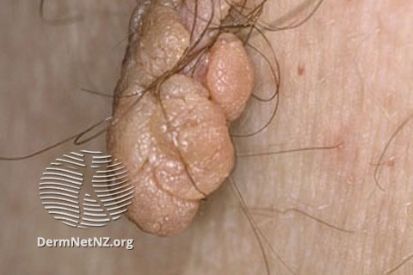
A skin tag on groin tissue is a common and benign growth that most adults encounter at some point. Skin tags in groin areas form where skin rubs against skin or clothing, creating the friction that stimulates their development. They are soft, flesh-colored, and typically attached by a narrow stalk. They do not cause health problems, but they can be uncomfortable due to their location and repeated irritation from movement.
Skin tags groin is a term that comes up frequently because this area is particularly prone to tag formation due to ongoing friction, warmth, and moisture. Skin tags on groin tissue look and behave the same as tags on the neck or underarms. Groin skin tags should be evaluated by a healthcare provider before any removal attempt, particularly to distinguish them from other growths that may need different assessment.
What Causes Skin Tags in the Groin Area?
The primary cause of skin tags on groin skin is friction. The groin is a high-contact area where inner thighs, clothing elastic, and underwear waistbands regularly rub against skin folds.
Friction and Skin Folds
Wherever skin rubs repeatedly against another skin surface, the risk of tag formation increases. The groin, armpits, neck, and under the breasts are the most common locations for this reason. Looser-fitting clothing reduces friction and may help prevent new tags from forming.
Hormonal Changes and Pregnancy
Skin tags often multiply during pregnancy due to hormonal changes that affect skin cell growth. Weight gain during pregnancy also increases skin-to-skin contact in areas like the groin. Many pregnancy-related skin tags shrink or disappear after delivery, though some remain.
Insulin Resistance and Metabolic Factors
Multiple skin tags appearing in areas like the groin and armpits have been associated with insulin resistance and metabolic syndrome. This is not a diagnosis, but if you notice many new tags developing rapidly, mentioning this to your doctor is worthwhile.
How to Tell a Skin Tag Apart from Other Growths
Groin skin tags are soft, mobile, and painless. They attach by a narrow stalk and move easily when touched. Growths that are hard, fixed, ulcerated, or irregularly pigmented may not be skin tags and require professional assessment. Genital warts, molluscum contagiosum, and cysts can appear in the groin and look different at closer examination. A healthcare provider can reliably distinguish these on visual inspection, with a biopsy reserved for uncertain cases.
Professional Removal Options
Several medical procedures remove skin tags on groin tissue reliably and safely:
Cryotherapy
Liquid nitrogen applied to the tag freezes the tissue, causing it to fall off within one to two weeks. It is fast, low-risk, and well-tolerated. Minor blistering may occur at the site.
Snip Excision
A physician numbs the area with a small injection of local anesthetic and cuts the tag off with sterile scissors. This is the most immediate method and works well for small to medium tags on groin skin.
Electrocautery
Electrocautery uses electrical current to burn off the tag and seal the base. It is effective and reduces the chance of bleeding at removal sites in friction-prone areas.
At-Home Removal: What to Know
At-home removal kits for skin tags exist and typically use either cryotherapy or ligation (tying off blood supply). The groin is a sensitive area with thin skin and proximity to mucous membranes, making at-home attempts riskier than on other body parts. Infection risk is higher in this location. It is safer to have groin skin tags evaluated and removed professionally rather than attempting home removal.
Prevention
Maintaining a healthy weight reduces skin folds and friction. Wearing breathable, non-synthetic fabrics in close-contact areas limits the heat and moisture that contribute to tag formation. Anti-chafe balms used along the inner thigh and groin seam can reduce friction during exercise.
Key takeaways: A skin tag on groin tissue is benign but worth having professionally assessed before removal. Groin skin tags respond well to cryotherapy, snip excision, or electrocautery when performed by a healthcare provider. At-home removal in this area carries higher infection risk than on other sites and is best avoided.




Leave a Reply