
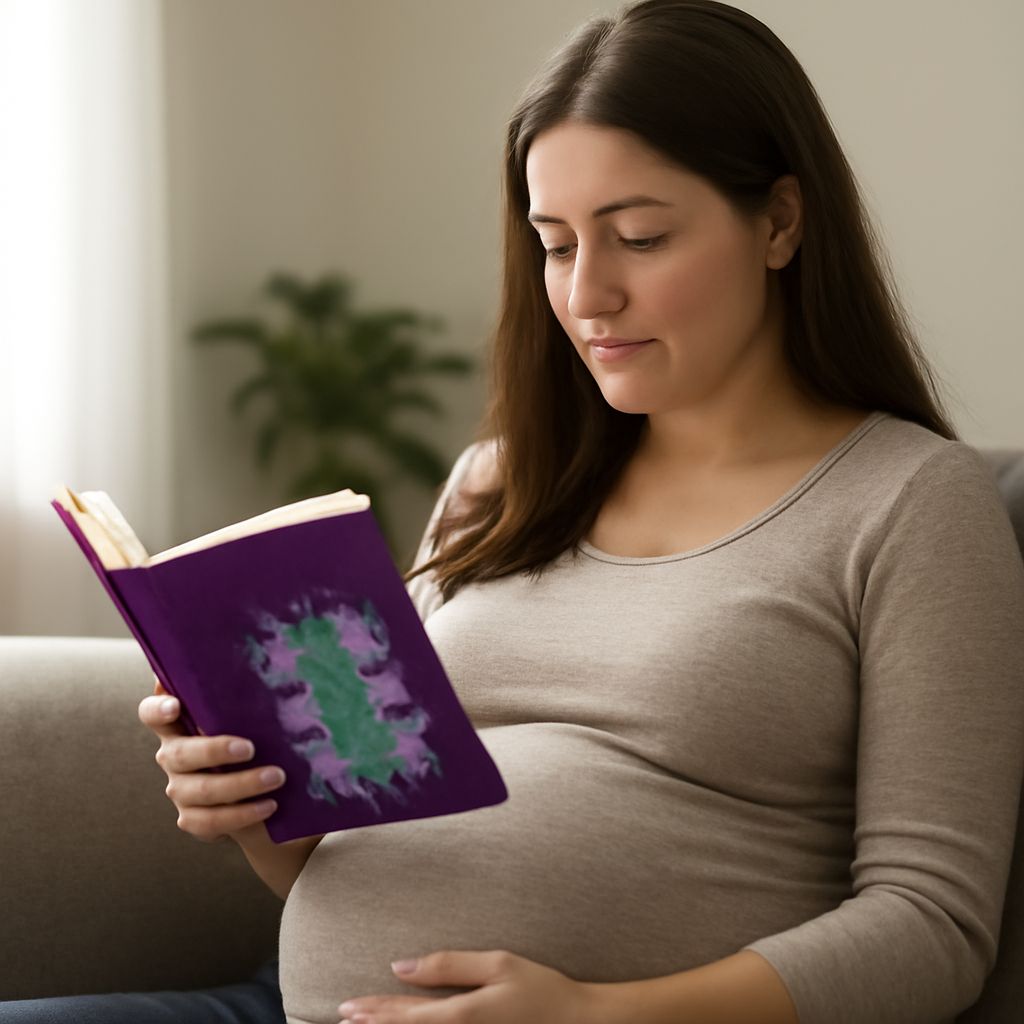
Pregnancy is a transformative journey that brings joy and anticipation, but it also poses unique challenges, especially in skincare and hair health. Many expectant mothers wonder about safe skincare ingredients, and azelaic acid often emerges as a focal point. Coupled with the challenges of managing dandruff during pregnancy, it’s crucial to understand how these elements affect pregnant women. Fortunately, this guide aims to demystify these concerns, offering safe skincare tips, including azelaic acid hair loss remedies, for moms-to-be.
What is Azelaic Acid and Is It Safe During Pregnancy?
Overview of Azelaic Acid
Azelaic acid is a naturally occurring compound found in grains like barley and wheat. It is widely used in skincare products for its ability to treat acne and rosacea, thanks to its anti-inflammatory and antibacterial properties. In addition to addressing skin issues, azelaic acid also plays a role in improving hair health, adding another layer to its usefulness.
Safety of Azelaic Acid in Pregnancy
When it comes to pregnancy, the safety of azelaic acid is a common concern. Fortunately, azelaic acid is generally considered safe for use during pregnancy. Most studies have not indicated any risks associated with topical azelaic acid use for expectant mothers. However, as with any skincare product, it is always wise to consult with a healthcare provider before beginning any new treatment regimen during pregnancy.
How Does Lactic Acid Benefit the Skin?
Introduction to Lactic Acid
Lactic acid is an alpha hydroxy acid (AHA) that is popular in skincare for its exfoliating properties. It helps in removing dead skin cells, thereby promoting a brighter and more even complexion. Lactic acid is gentle enough for regular use, making it a suitable choice for those with sensitive skin, including pregnant women.
Benefits for Pregnant Women
For pregnant women, lactic acid can be a beneficial addition to their skincare routine. It not only helps in maintaining a radiant complexion but also aids in reducing pregnancy-related skin dullness. Given its mild nature, lactic acid provides a safe alternative to stronger acids, which might not be recommended during pregnancy.
How to Manage Dandruff During Pregnancy Safely?
Common Causes of Dandruff
Dandruff during pregnancy can be distressing but understanding its causes can help in managing it effectively. Hormonal changes often lead to increased oil production on the scalp, contributing to dandruff. Moreover, stress and dietary adjustments during pregnancy can exacerbate the situation.
Safe Treatments and Remedies
Managing dandruff while pregnant involves a combination of safe treatments and lifestyle modifications. Mild anti-dandruff shampoos, particularly those containing zinc pyrithione or ketoconazole, are generally deemed safe. Additionally, natural remedies like tea tree oil and apple cider vinegar rinses can offer relief. Always perform a patch test to avoid adverse reactions, especially given the heightened skin sensitivity during pregnancy.
Can Azelaic Acid Help with Hair Loss?
Azelaic Acid’s Role in Hair Health
Azelaic acid is not only beneficial for the skin but also offers potential benefits for hair health. It works by inhibiting 5-alpha reductase, an enzyme that converts testosterone to dihydrotestosterone (DHT), a hormone linked to hair loss. By reducing DHT levels, azelaic acid might promote hair growth and reduce hair shedding.
Using Azelaic Acid Powder
The use of azelaic acid powder as a topical treatment for hair loss is gaining popularity. Incorporating this powder into a hair care routine can potentially improve hair density and strength. However, it’s crucial to use it under the guidance of a healthcare provider, ensuring the correct concentration and application method, particularly during pregnancy.
Bottom line: Understanding the benefits and safety of azelaic acid and lactic acid during pregnancy can greatly aid in effective skincare and hair health management. Expectant mothers should always prioritize safe practices by consulting healthcare professionals before trying new treatments. This balanced approach ensures both maternal and fetal well-being, promoting healthy skin and hair throughout the pregnancy journey.




Leave a Reply