
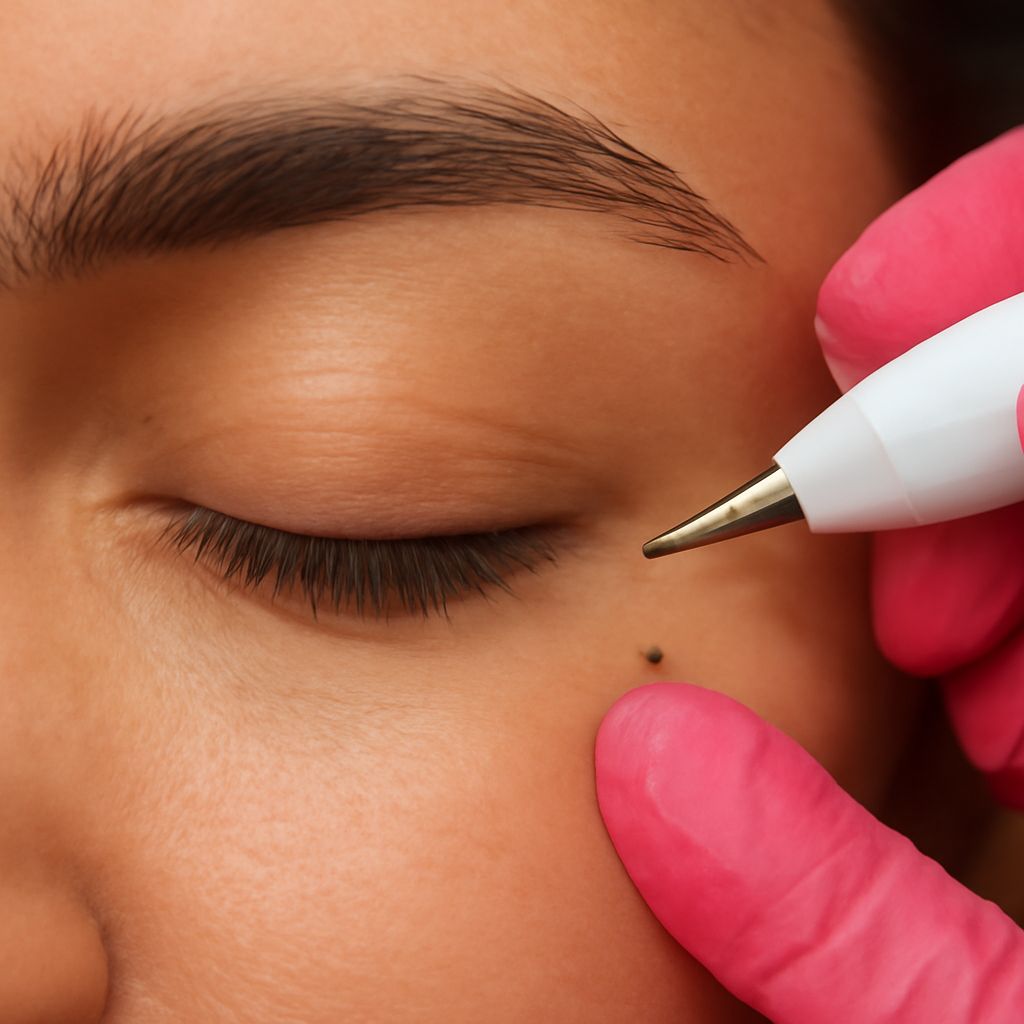
Finding a skin tag under the eye can be both a cosmetic and a medical concern. These small growths, often benign, might cause discomfort or become a source of self-consciousness. While a painful skin tag, an inflamed skin tag, or a skin tag on the eyelash line can seem alarming, understanding the causes and treatments can help ease these worries. Fortunately, whether you’re dealing with a skin growth on the eyelid or elsewhere near the eye, there are effective solutions and preventive measures available.
What Causes a Skin Tag Under the Eye?
Common Reasons for Skin Tags
Skin tags, medically known as acrochordons, are small, benign tumors that often appear in areas where skin folds or creases. Under the eye, these tags might form due to friction from natural facial movements, rubbing of the skin, or even wearing eyeglasses. Genetics can also play a role; if your family members tend to have skin tags, you might be more prone to them as well.
Risk Factors Specific to Eye Area
The delicate nature of eyelid skin makes it more susceptible to developing skin tags. Factors such as age, obesity, and an underlying metabolic condition like diabetes can increase the likelihood of skin tags forming in this sensitive area. Additionally, hormonal changes, particularly during pregnancy, might trigger the growth of skin tags under the eyes or elsewhere on the face.
How to Treat a Painful Skin Tag?
Home Remedies and Over-the-Counter Solutions
For those seeking to remove a painful skin tag at home, several over-the-counter options can be effective. Products containing salicylic acid or tea tree oil can help dry out the tag, leading to its eventual fall-off. However, care must be taken to avoid irritating the surrounding sensitive skin. Applying a skin-safe adhesive bandage can help prevent accidental rubbing or snagging.
When to See a Dermatologist
If a skin tag under the eye becomes especially painful, inflamed, or changes in appearance, it’s essential to consult a dermatologist. Professional treatment options include cryotherapy, where the tag is frozen off, or a quick removal via surgical excision. These procedures are usually quick, with minimal recovery time, and ensure the skin tag is fully removed with little risk of infection.
Why Might a Skin Tag Become Inflamed?
Signs of Inflammation
Inflammation of a skin tag can occur due to irritation from rubbing, infection, or an immune response. Typical signs include redness, swelling, and tenderness around the tag. If the tag begins to bleed or ooze, it is crucial to seek medical attention to prevent further complications.
Preventing Skin Tag Irritation
To prevent an inflamed skin tag, maintain proper hygiene and avoid excessive touching or scratching of the area. When applying skincare or makeup, be gentle, and use products formulated for sensitive skin. For those with skin tags prone to irritation, consider consulting with a dermatologist for advice on suitable skincare products that can minimize irritation risks.
How to Handle a Skin Tag on the Eyelash Line?
Safe Removal Options
Removing a skin tag on the eyelash line should be approached with caution due to the proximity to the eye. Professional removal is recommended, where a healthcare provider may use techniques such as laser removal or electrocautery for precise and safe elimination. These methods minimize damage to surrounding tissues and reduce the likelihood of recurrence.
Potential Complications
Attempting to remove a skin tag on the eyelash line at home can lead to complications such as infection, scarring, or damage to the eyelid and eye. It’s crucial to avoid using harsh chemicals or cutting devices near this sensitive area. Seek professional advice to ensure safe and effective treatment.
What to Do About a Skin Growth on the Eyelid?
Identifying Skin Growth Types
Not all growths on the eyelid are skin tags; they might be other benign lesions like moles or cysts. It’s vital to accurately identify the type of skin growth, as treatment options differ. A dermatologist can perform a thorough examination to determine the nature of the growth.
Consulting a Specialist
If an eyelid growth is causing discomfort or altering your appearance, consulting with an ophthalmologist or dermatologist is advised. These specialists can offer insights into whether removal is necessary and, if so, recommend the most appropriate method based on the growth’s characteristics.
Bottom line: While skin tags and other growths around the eye can be concerning, understanding their causes and available treatments can offer reassurance. Always consider consulting a healthcare professional to ensure the safety and efficacy of any removal procedures.



Leave a Reply