
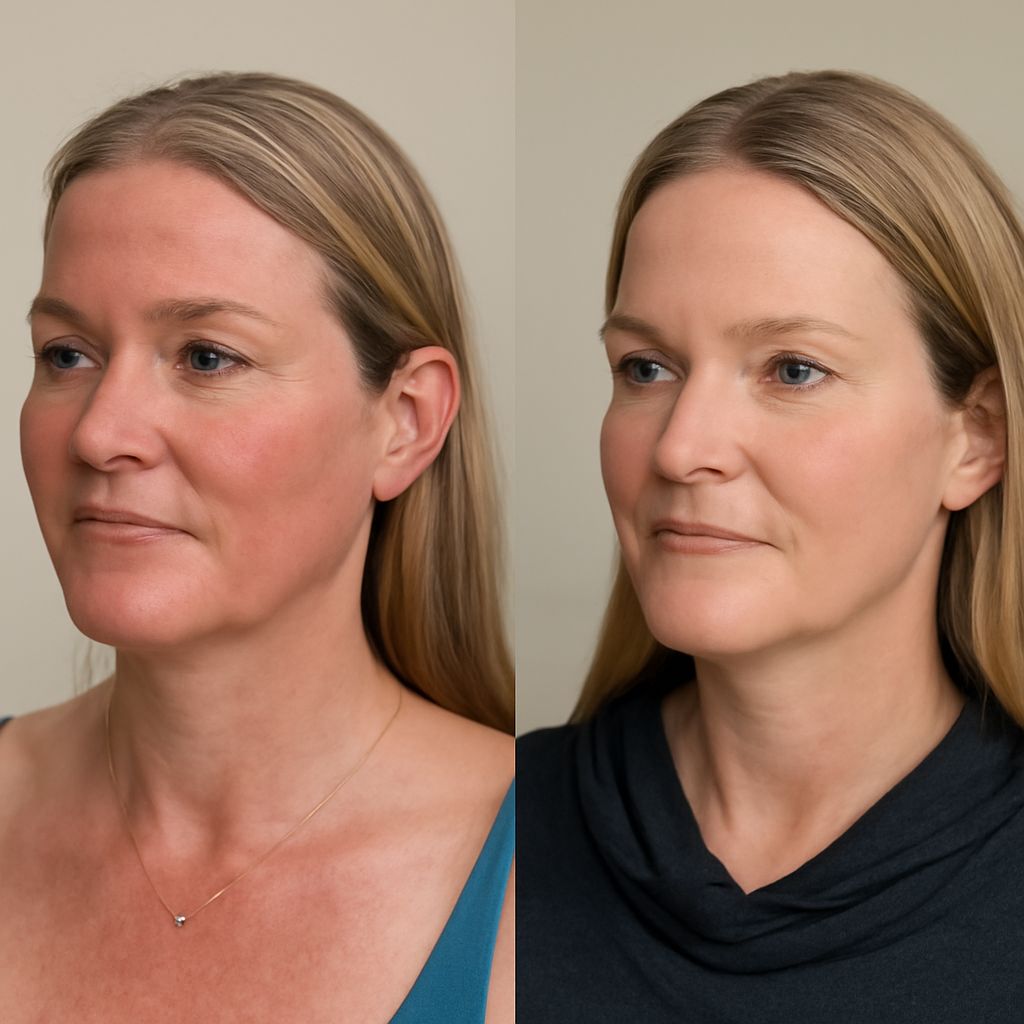
Golden beige skin and medium beige skin both fall under the category of beige skin color. Each requires careful attention, particularly if experiencing dryness. Fortunately, the best diet for dry skin can play a pivotal role in alleviating discomfort and promoting supple skin. A tailored skincare routine is essential to maintain the health and appearance of your beige skin.
Whether your complexion is golden beige or medium beige, understanding the characteristics of this skin tone can help you make informed choices about skincare practices and product selections. Let’s explore how to achieve optimal skin health through nutrition and dedicated routines.
What Defines Beige Skin Color?
Characteristics of Beige Skin
Beige skin is often identified by its mix of warm undertones and a balanced complexion that stands between light and dark shades. Golden beige skin tends to have a slightly warmer hue, while medium beige skin may exhibit a more neutral undertone. Despite these slight differences, both share a predisposition to dryness, requiring specialized skincare approaches.
Variations: Golden Beige vs. Medium Beige
Golden beige skin has a subtle, sun-kissed appearance, often leaning towards the warmer spectrum of skin tones. It can be prone to dryness and sensitivity, demanding moisturization and gentle care. Medium beige skin, on the other hand, maintains a more neutral undertone that can also be affected by dry conditions, making a consistent skincare routine essential.
How Can a Diet Improve Dry Skin?
Essential Nutrients for Dry Skin
For those with dry skin, a diet rich in omega-3 fatty acids, vitamins E and C, and hydrating foods can be crucial. These nutrients support the skin’s lipid barrier and contribute to its overall health and hydration, making them an integral part of any regimen aimed at improving dry skin.
Foods to Include in Your Dry Skin Diet
Incorporating foods such as avocados, nuts, seeds, and fatty fish can provide essential omega-3s, while citrus fruits and leafy greens offer a bounty of vitamins. Hydrating options like cucumbers and watermelons can further support skin moisture levels, making them excellent additions to a diet focused on combating dry skin.
What Are the Best Skincare Practices for Beige Skin?
Moisturizing Tips for Golden Beige Skin
For golden beige skin suffering from dryness, regular moisturizing with emollient-rich creams is vital. Opt for products containing hyaluronic acid and ceramides to lock in moisture and repair the skin barrier. Using gentle, non-irritating cleansers will also help maintain skin softness and prevent further dehydration.
Routine Adjustments for Medium Beige Skin
Those with medium beige skin should focus on a routine that prioritizes hydration and barrier protection. Incorporate serums with antioxidants and moisturizers with humectants to draw moisture into the skin. Additionally, regular exfoliation with gentle, non-abrasive products can help remove dead skin cells without causing irritation.
How Does Beige Skin Affect Skincare Product Choices?
Choosing Products for Dry Skin
Understanding your beige skin’s specific needs can guide you in selecting the right products. Look for formulations designed to provide deep hydration and gentle care, such as those featuring squalane or glycerin. These ingredients support skin hydration and fortify the skin’s natural defenses against dryness.
Avoiding Harmful Ingredients
When choosing products for beige skin, it’s crucial to avoid ingredients that can exacerbate dryness or cause irritation. Alcohol-based products and those containing harsh fragrances or preservatives may strip the skin of its natural oils. Instead, focus on products labeled as hypoallergenic or dermatologist-tested to ensure compatibility with sensitive skin types.
Pro Tips Recap: Beige skin, whether golden or medium, benefits from a consistent approach to care. Prioritize a diet rich in essential nutrients, select hydrating skincare products, and avoid harsh ingredients. Always consider personal skin sensitivity and consult a dermatologist for tailored advice. Remember: gentle care is key to maintaining healthy, radiant skin.





Leave a Reply