
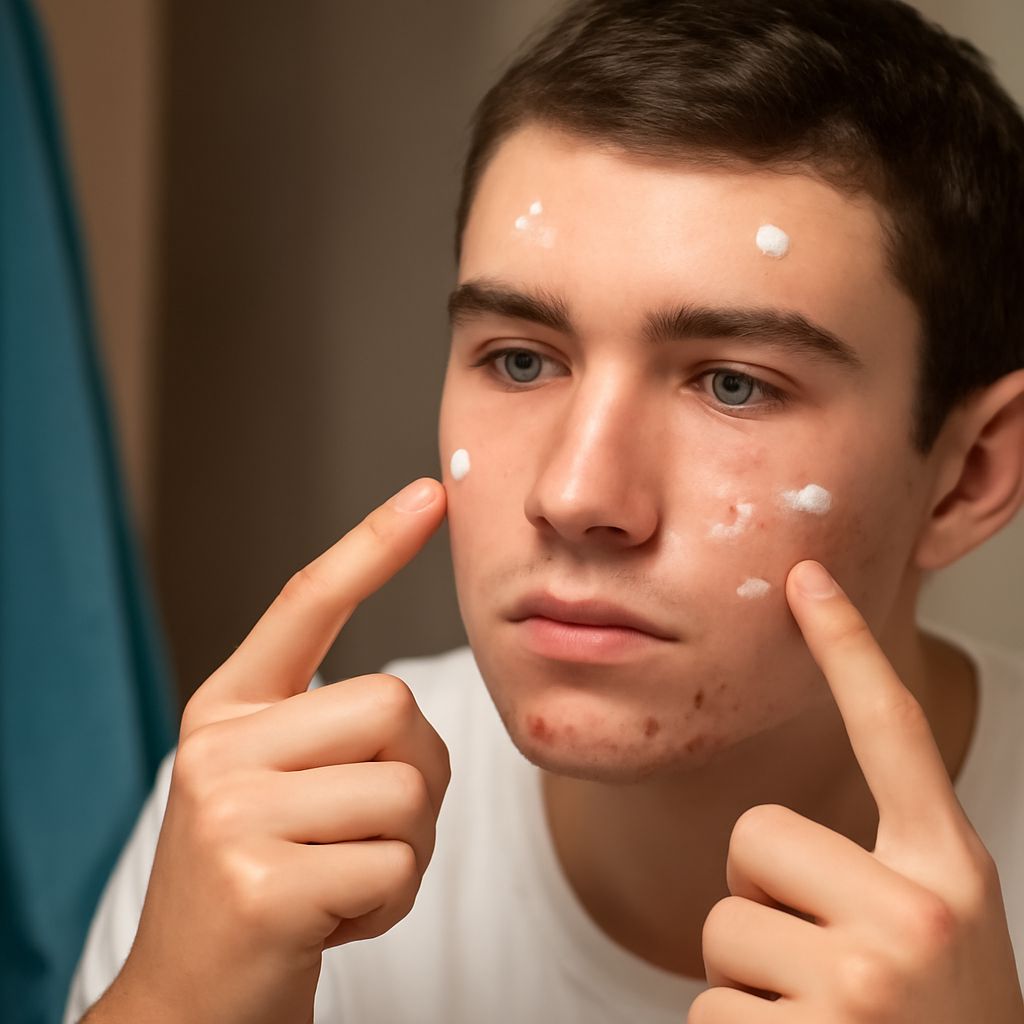
Cystic acne is a severe form of acne that not only causes physical discomfort but can also lead to emotional distress. Unlike regular acne, cystic acne forms deep under the skin, making it difficult to treat and often resulting in cystic acne scars. Fortunately, there are effective treatments and techniques to manage and prevent this condition. Popping cystic acne is not a recommended solution due to the risk of exacerbating the problem and creating scars. Understanding the root causes of cystic acne and adopting safe acne extraction techniques are crucial steps in addressing this issue.
What Causes Cystic Acne and How to Prevent It?
Understanding the Root Causes
Cystic acne develops when oil and dead skin cells clog hair follicles, leading to infection and inflammation. Hormonal fluctuations often play a significant role in triggering these breakouts, particularly during puberty, menstrual cycles, or periods of high stress. Genetics can also contribute to one’s susceptibility to cystic acne. Identifying these underlying causes can help in tailoring an effective prevention strategy.
Preventive Measures for Cystic Acne
Preventing cystic acne involves a comprehensive skincare routine and lifestyle adjustments. Regular cleansing with a gentle, non-comedogenic cleanser can help in reducing oil buildup. Incorporating products containing salicylic acid or benzoyl peroxide can aid in keeping pores clear. Additionally, maintaining a balanced diet and managing stress levels are crucial in minimizing hormonal fluctuations that can lead to acne flare-ups.
How to Get Rid of Cystic Acne Safely
Topical Treatments and Medications
Various topical treatments are available for managing cystic acne safely. Prescription-strength retinoids and antibiotics can effectively reduce inflammation and bacterial growth. Over-the-counter options like salicylic acid and benzoyl peroxide are beneficial for mild cases. For severe cystic acne, consulting a dermatologist might lead to oral medications such as isotretinoin, which significantly reduces sebum production.
Lifestyle Changes to Consider
Adopting healthier lifestyle practices can significantly impact the severity and frequency of cystic acne outbreaks. Stress reduction techniques such as yoga and meditation can stabilize hormonal imbalances. Ensuring adequate hydration and a nutritious diet rich in fruits, vegetables, and omega-3 fatty acids supports skin health and potentially reduces cystic acne incidence.
Is Popping Cystic Acne a Good Idea?
Dangers of Popping Cystic Acne
Popping cystic acne can lead to further complications, including infection and scarring. The force applied during popping can rupture the skin, spread bacteria, and worsen the inflammation. This can result in cystic acne scars that are more challenging to treat than the original cyst itself. It is advisable to avoid this approach and seek professional help when necessary.
Safe Acne Extraction Techniques
For those considering acne extraction, it is essential to employ safe techniques. Consulting a skincare professional ensures the procedure is conducted under sterile conditions, minimizing the risk of infection. Professionals use specific instruments designed to extract cystic acne without damaging the surrounding tissue, thus reducing the likelihood of scars.
How to Treat Cystic Acne Scars Effectively
Home Remedies for Cystic Acne Scars
Several home remedies can help in reducing the appearance of cystic acne scars. Natural ingredients such as aloe vera, honey, and coconut oil have soothing properties that promote skin healing and improve texture. Regular application can gradually fade scars and enhance skin appearance. Combining these remedies with gentle exfoliation can further boost skin turnover and scar reduction.
Professional Treatments Available
For more severe cystic acne scars, professional treatments offer effective solutions. Techniques such as laser therapy, chemical peels, and microneedling stimulate collagen production and skin regeneration. These procedures, often conducted by dermatologists, can significantly diminish scar appearance and restore smoother skin texture.
Bottom line: Managing cystic acne requires a multifaceted approach combining preventive measures, effective treatments, and professional guidance. Popping cystic acne is discouraged due to the potential for worsening the condition and causing scars. Opting for safe extraction techniques and scar treatment options can significantly enhance the outcome. Always consult a dermatologist to tailor a treatment plan suited to your skin’s needs and ensure safety.




Leave a Reply