
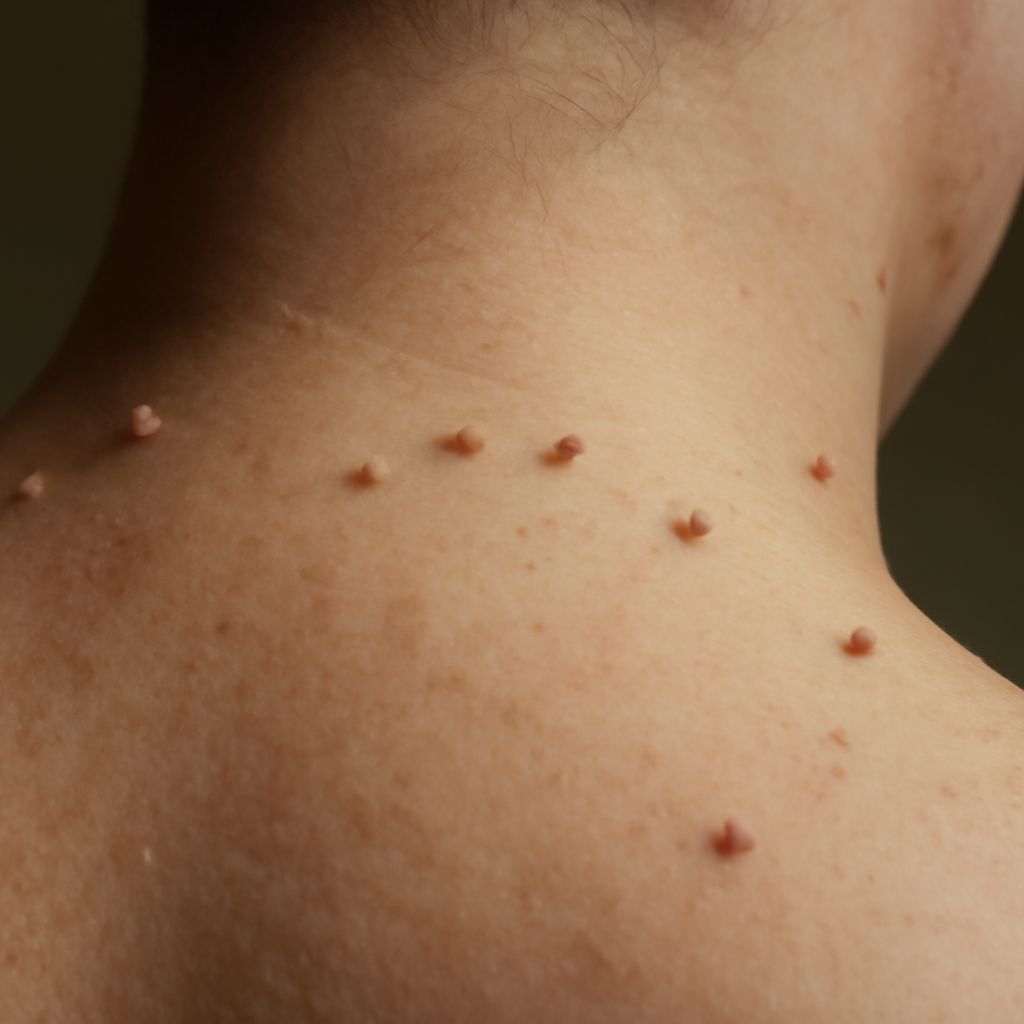
Skin tags are common and usually harmless growths, but they can become a problem when they turn into large skin tags or show signs of infection. Sometimes, these tags may start bleeding or become swollen, raising concerns about potential infections. Understanding the causes, recognizing symptoms, and knowing how to treat an infected skin tag effectively are essential to maintaining skin health and preventing complications.
This article will explore the causes behind a skin tag infection, how to identify larger skin tags, the reasons behind skin tag bleeding, and what steps to take if you encounter a swollen skin tag. We will also discuss safe treatment options and the risks involved in skin tag removal.
What Causes an Infected Skin Tag?
Understanding Skin Tags
Skin tags, also known as acrochordons, are tiny, soft projections that hang off the skin, often appearing in areas like the neck, armpits, and groin. These benign growths are primarily composed of collagen fibers and blood vessels surrounded by skin.
Common Reasons for Infection
An infected skin tag can occur due to several factors. Constant friction from clothing or jewelry can irritate a skin tag, leading to inflammation and pain. Additionally, attempts to remove the tag using non-sterile tools can introduce bacteria, resulting in infection. Poor hygiene practices in areas prone to moisture and sweat further increase the risk.
How Can You Identify Large Skin Tags?
Characteristics of Large Skin Tags
Large skin tags are often more noticeable and may resemble small pendulous growths. They vary in size but can become more prominent due to repeated irritation. Their size can make them more susceptible to being caught on clothing or cut during shaving, increasing the likelihood of infection.
When to Seek Medical Advice
While most skin tags are harmless, it’s essential to consult a healthcare professional if a tag changes in color, bleeds, or becomes significantly larger. These changes might indicate an underlying issue that requires professional evaluation.
Why Might a Skin Tag Start Bleeding?
Causes of Bleeding
Skin tag bleeding is often triggered by trauma, such as rubbing against clothing or accidental snipping while shaving. The skin tag’s location on the body plays a significant role in how likely it is to sustain damage.
First Aid for Bleeding Skin Tags
If a skin tag starts to bleed, it is vital to keep the area clean and apply direct pressure with a clean cloth to stop the bleeding. An antiseptic can help prevent infection, followed by a bandage if necessary. If bleeding persists, it might be time to consult a healthcare provider.
What Should You Do If You Have a Swollen Skin Tag?
Causes of Swelling
Swelling can occur when a skin tag becomes irritated or infected. Conditions such as diabetes and hormonal changes can also increase the likelihood of swollen skin tags due to impaired healing and increased skin sensitivity.
Home Remedies vs. Professional Treatment
Home remedies such as applying aloe vera or tea tree oil may soothe mild irritation. However, if a swollen skin tag becomes painful or shows signs of infection, professional medical treatment is advised to prevent further complications.
How to Treat a Skin Tag Infection Safely
Over-the-Counter Solutions
Non-prescription treatments, including antiseptic creams and ointments, can help manage minor infections. It’s crucial to follow the instructions closely to avoid any adverse effects on the skin.
When to Consult a Dermatologist
If an infected skin tag does not improve with home care, or if symptoms worsen, a consultation with a dermatologist is essential. A healthcare provider can offer more targeted treatments, such as prescription antibiotics or professional removal, to treat the infection effectively.
Preventing Future Infections
Maintaining good hygiene, avoiding unnecessary friction, and monitoring skin tags for any changes can help prevent infections. Regularly inspect skin tags, especially in areas prone to moisture, to catch any signs of trouble early.
Are There Any Risks Associated with Skin Tag Removal?
Potential Complications
While removing skin tags can be safe, there are potential risks, including bleeding, infection, and scarring. Using non-sterile equipment or incorrect techniques can increase these risks significantly.
Safe Removal Methods
Professional removal methods, such as cryotherapy, cauterization, or surgical excision, are generally safe and effective. These procedures should be performed by qualified healthcare providers to minimize risks and ensure optimal results.
Safety Recap: When dealing with skin tags, especially during removal, prioritize safety and hygiene. Consult a healthcare provider for suspicious changes and ensure that any tools used are sterile and appropriate for the task.




Leave a Reply