
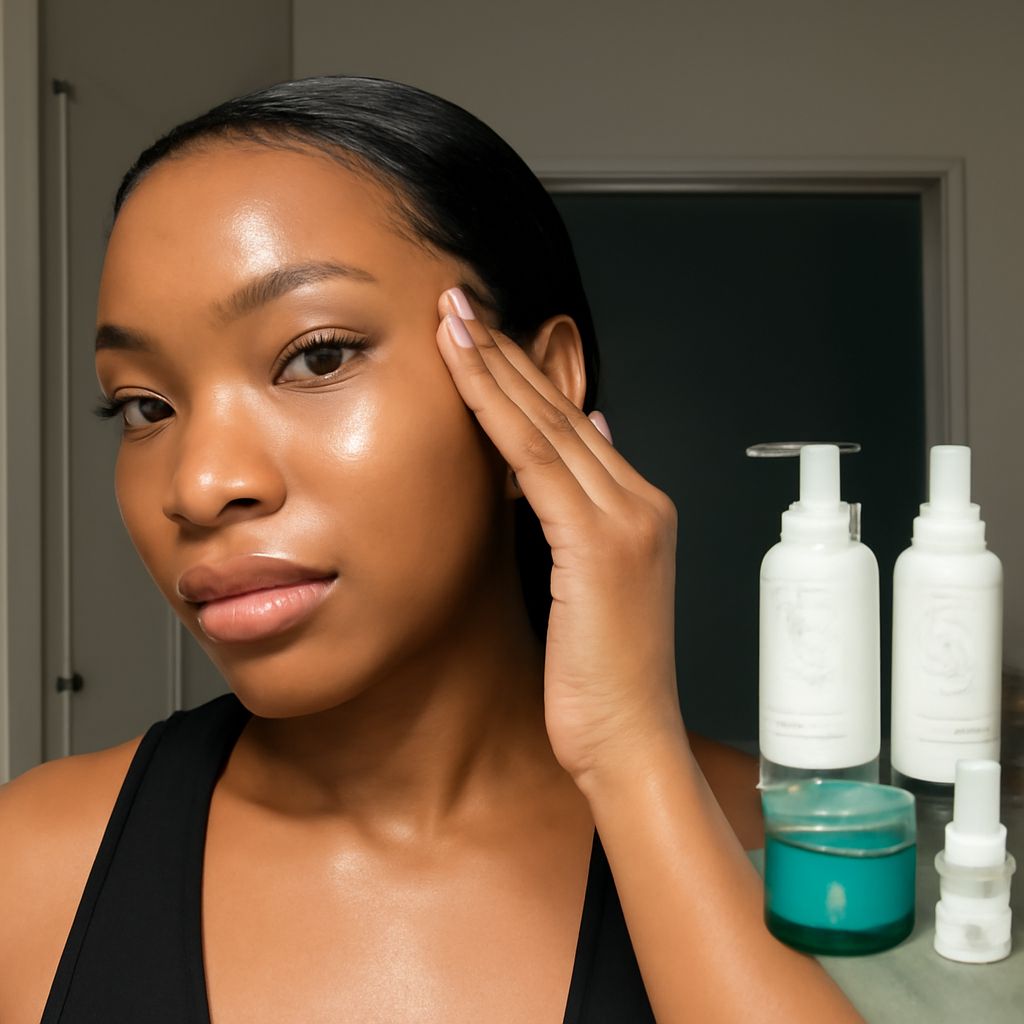
Dealing with oily skin can be challenging, especially when it leads to the persistent problem of acne. Knowing the difference between cystic acne vs acne is crucial in selecting the right treatment approach for clear and healthy skin. In this guide, we’ll explore effective strategies to get rid of body acne and highlight the best products for oily skin.
Our focus will be on understanding the underlying causes of acne, distinguishing between different types, and offering expert tips for managing oily skin. By understanding these elements, you can achieve a clearer complexion and a better skincare routine.
What are the best products for oily skin?
Cleansers for oily skin
When choosing a cleanser for oily skin, it’s essential to look for products that effectively remove excess oil without stripping the skin of its natural moisture. Gel-based and foaming cleansers often work well, containing ingredients like salicylic acid or benzoyl peroxide to help prevent breakouts.
Moisturizers that balance oil
Many with oily skin skip moisturizers, fearing they will exacerbate the problem. However, using a lightweight, non-comedogenic moisturizer can help balance oil production. Look for products that include hyaluronic acid or glycerin, which hydrate the skin without adding extra oil.
Serums that prevent breakouts
Serums can be a valuable addition to an oily skincare routine. Niacinamide and vitamin C serums can help reduce inflammation and prevent breakouts. These ingredients are known for their anti-inflammatory and brightening properties, making them suitable for oily skin.
Sunscreens for oily skin types
Sun protection is vital for all skin types, but finding a suitable sunscreen for oily skin can be tricky. Opt for oil-free, mattifying sunscreens that provide broad-spectrum protection. These formulations help prevent clogged pores while shielding against harmful UV rays.
How does cystic acne differ from regular acne?
Defining cystic acne
Cystic acne is a severe form of acne characterized by deep, painful cysts beneath the skin’s surface. These cysts can result in significant swelling and discomfort, often leaving scars if not treated properly.
Characteristics of regular acne
Regular acne typically includes a mix of blackheads, whiteheads, and occasional pimples. It usually affects the skin less deeply than cystic acne and is often easier to manage with over-the-counter treatments.
Common causes and triggers
Both cystic and regular acne share some common triggers, such as hormonal fluctuations, stress, and diet. However, cystic acne is often more genetically driven and may require specialized treatment.
Impact on skin health
While all forms of acne can impact skin health, cystic acne poses a higher risk for scarring and long-term damage. Understanding these differences is key to choosing the right treatment and minimizing complications.
Why is understanding cystic acne vs acne important?
Treatment implications
Identifying whether you’re dealing with cystic acne vs acne is crucial for treatment. Cystic acne often requires prescription medications, such as oral antibiotics or isotretinoin, while regular acne might respond well to topical treatments.
Prevention strategies
Effective prevention strategies differ between cystic and regular acne. For cystic acne, managing hormonal levels and consulting a dermatologist for tailored advice is often necessary. Regular acne may benefit from a consistent skincare routine and lifestyle adjustments.
Long-term skin health
Understanding the nuances between different types of acne can contribute to better long-term skin health. Tailoring your approach based on the type of acne ensures that the skin remains resilient and less prone to future breakouts.
How can I get rid of body acne effectively?
Common areas affected by body acne
Body acne commonly appears on the back, chest, and shoulders, where oil glands are more prevalent. Tight clothing, sweating, and friction can exacerbate these breakouts.
Over-the-counter treatments
Body washes containing salicylic acid or benzoyl peroxide can be effective over-the-counter options for treating body acne. Applying these treatments consistently can help clear up existing spots and prevent new ones.
Lifestyle changes for clear skin
Simple lifestyle changes, such as wearing loose-fitting clothing and showering immediately after sweating, can significantly reduce body acne. These adjustments minimize the conditions that foster breakouts.
Professional treatments
In persistent cases, professional treatments such as chemical peels or laser therapy might be required. These treatments should be guided by a dermatologist to ensure safe and effective results.
What are the top tips for getting rid of body acne?
Daily skincare routine
A consistent daily skincare routine is essential for managing body acne. Incorporating products with active ingredients like salicylic acid and maintaining good hygiene will keep breakouts at bay.
Dietary considerations
Dietary factors, such as consuming a diet rich in antioxidants and reducing dairy intake, can influence acne. Aim for a balanced diet to support overall skin health.
Clothing and hygiene tips
Choose breathable, natural fabrics to reduce irritation and sweat build-up. Regularly washing clothes and bedsheets helps prevent the accumulation of bacteria and dead skin cells.
When to see a dermatologist
If over-the-counter treatments and lifestyle changes aren’t making a difference, it’s time to consult a dermatologist for personalized advice and advanced treatment options.
Bottom line: Managing oily skin and acne requires understanding the specific type of acne and adopting tailored skincare routines and lifestyle adjustments. With the right products and habits, achieving clear skin is possible.




Leave a Reply