
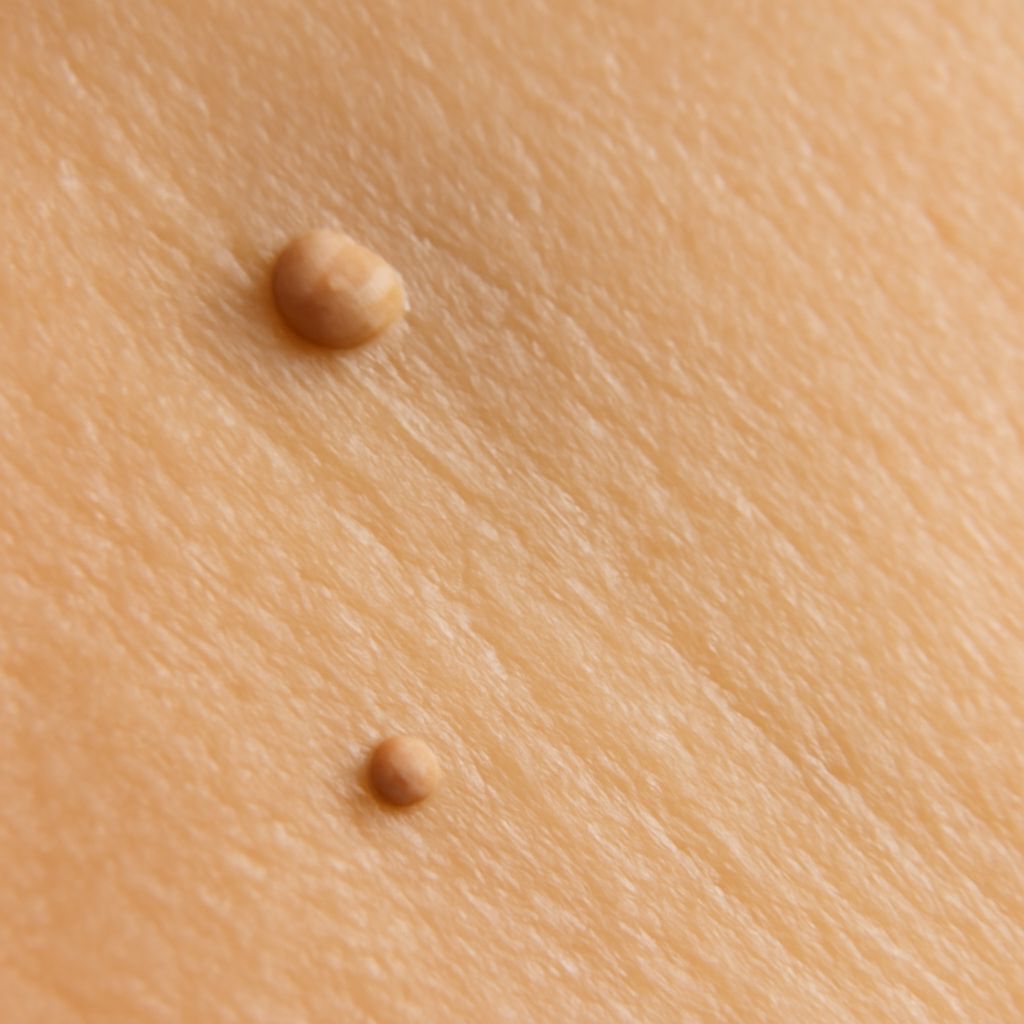
Skin abnormalities can be a source of confusion and concern for many people. Among the most common of these are skin tags and warts, each with distinct characteristics and implications. The essence of understanding these differences is pivotal for proper identification and subsequent treatment. Understanding what does a skin tag look like will aid in differentiating it from a wart, and knowing if skin tags are contagious can alleviate unnecessary worries.
In this comprehensive guide, we will delve into the unique features and causes of skin tags and warts, clarify the confusion between them, and explore effective treatment options. Through understanding these aspects, individuals can take informed actions towards their skin health.
What is the Difference Between Skin Tags and Warts?
Definition of Skin Tags
Skin tags are benign growths that appear on the skin’s surface, often found in areas like the neck, underarms, and eyelids. These small, flesh-colored protrusions are soft and hang off the skin, connected by a thin stalk known as a peduncle. The formation of skin tags is often linked to friction or skin rubbing against skin or clothing.
Definition of Warts
Warts, on the other hand, are caused by the human papillomavirus (HPV) and are contagious. They manifest as rough, hard bumps on the skin and can appear anywhere on the body. Warts tend to have a grainy texture and may include black dots, which are clotted blood vessels. The contagious nature of warts requires careful attention to avoid spreading.
What Does a Skin Tag Look Like?
Common Characteristics of Skin Tags
Skin tags are small, soft, and flesh-toned, often appearing wrinkled or smooth. They are usually oval-shaped and can vary in size from a few millimeters to about the size of a grape. Unlike warts, they do not have a rough surface and are typically painless unless irritated by clothing or jewelry.
How to Identify Skin Tags
Identifying skin tags involves looking for their characteristic stalk and soft texture. They are usually found in areas subject to friction and are non-contagious. It is important to note their benign nature, which poses no threat unless they become irritated or are cosmetically bothersome.
Are Skin Tags Contagious?
Causes of Skin Tags
Skin tags are primarily caused by friction and are more common in older adults and those who have conditions like obesity or diabetes. Hormonal changes can also play a role in their development. Though not dangerous, they can be a cosmetic nuisance.
Understanding Contagion
Unlike warts, skin tags are not caused by a virus and are not contagious. This distinguishes them significantly from warts, which can spread through direct contact with infected skin or surfaces. Understanding this can help mitigate concerns about skin tag transmission.
How to Distinguish Skin Tags from Warts?
Visual Differences
Visually, skin tags are soft and connected by a stalk, while warts are rough with a grainy appearance and can have small black dots. Skin tags are typically smooth, whereas warts are raised with a hard surface.
Feel and Texture
The texture of skin tags is soft and pliable, contrasting with the rough and hard feel of warts. Warts can also be sensitive to touch due to their viral nature, whereas skin tags are generally painless unless irritated.
Treatment Options for Skin Tags and Warts
Home Remedies
For skin tags, home remedies like applying tea tree oil or apple cider vinegar can be effective, though caution should be exercised. Warts can sometimes be treated with salicylic acid or duct tape occlusion therapy, but proper care is important to avoid skin damage.
Professional Treatments
Skin tags can be professionally removed through methods such as cryotherapy, excision, or laser treatment. Warts may require more extensive treatment like cryosurgery or laser therapy due to their contagious nature. Consulting with a dermatologist is advisable to choose the safest and most effective option.
Bottom line: Understanding the differences between skin tags and warts is crucial for proper identification and treatment. Skin tags are non-contagious and typically require simple cosmetic removal, while warts may need careful medical intervention due to their viral nature.





Leave a Reply