
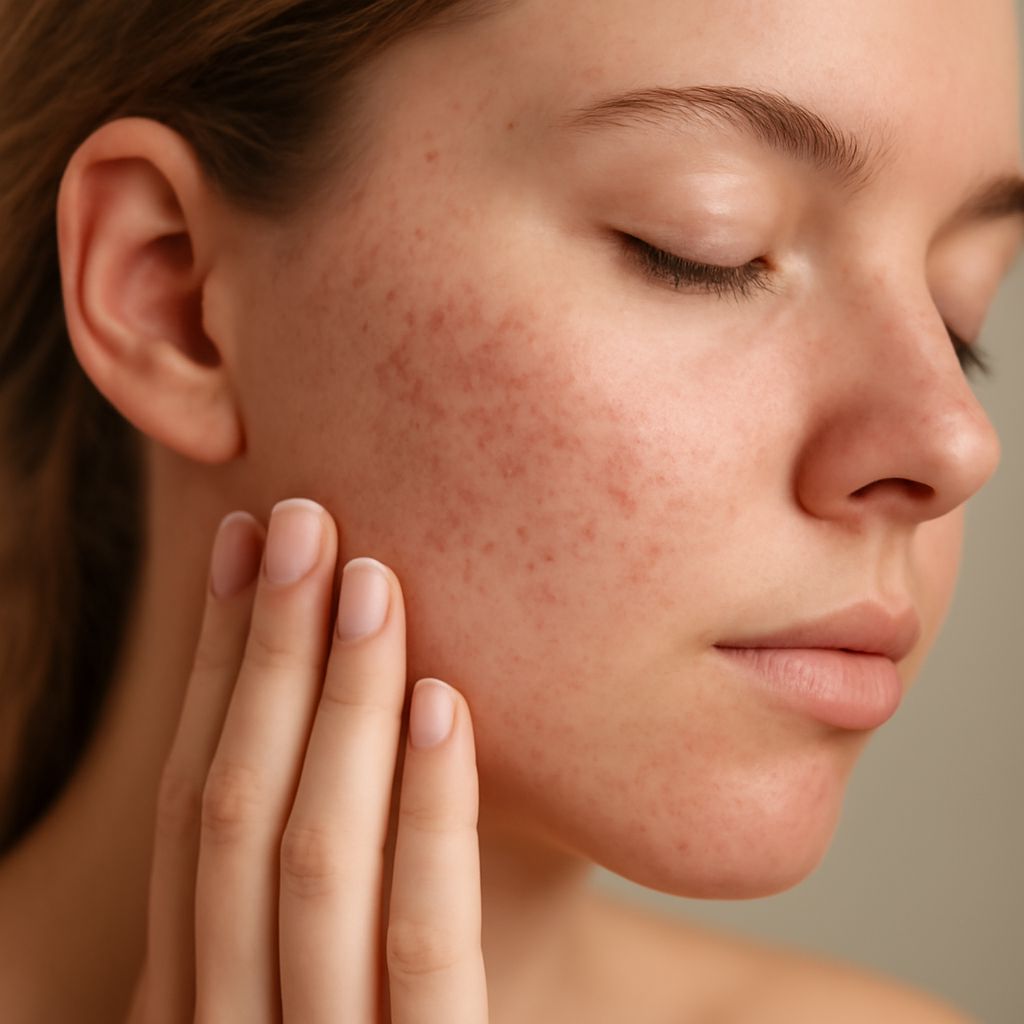
Acne is a common skin condition that affects many individuals, often leading to frustration and a search for the best solutions. Whether it’s through the best facials for acne or finding the best antibiotic for acne, the journey to clearer skin can be challenging. Skin renew processes play a crucial role in acne treatment, helping to eliminate blemishes and promote healthier skin. Furthermore, choosing the right dermatologist for black skin can significantly enhance the results of acne treatments, ensuring tailored care that respects the unique needs of darker skin tones.
In this article, we will explore various treatments and strategies, including the significance of facials, antibiotics, skin renewal, and the importance of selecting a dermatologist who understands black skin’s specific requirements. Let’s dive into these aspects to provide you with a comprehensive guide to tackling acne effectively.
What Are the Best Facials for Acne?
Types of Facials for Acne-Prone Skin
Facials designed for acne-prone skin often incorporate deep cleansing methods, exfoliation, and targeted masks. They help unclog pores and remove impurities, providing a fresh start to the skin. Some popular types include chemical peels, which use alpha or beta hydroxy acids to exfoliate, and microdermabrasion, which gently removes the outermost dead skin layer.
Benefits of Facials in Acne Treatment
Regular facials can significantly improve acne conditions. By promoting circulation and encouraging a thorough cleansing, facials help to reduce inflammation and prevent future breakouts. Additionally, the relaxation and stress reduction associated with these treatments provide a holistic benefit that can minimize acne flare-ups triggered by stress.
How Can Antibiotics Help with Acne?
Oral vs. Topical Antibiotics
Antibiotics can be a valuable tool in controlling acne, particularly when it’s severe or persistent. Oral antibiotics, such as doxycycline or minocycline, work internally to reduce bacterial growth and inflammation. On the other hand, topical antibiotics like clindamycin or erythromycin target the skin’s surface, providing localized treatment without systemic effects.
Best Antibiotic for Acne: What Dermatologists Recommend
Dermatologists often recommend starting with topical antibiotics to minimize systemic exposure. Clindamycin, combined with benzoyl peroxide, is frequently suggested for its effectiveness and reduced risk of resistance. Oral antibiotics are reserved for more severe or widespread cases, with doxycycline being a common choice due to its anti-inflammatory properties.
How Does Skin Renew Play a Role in Acne Treatment?
Understanding Skin Renew Processes
Skin renewal is a natural process where old skin cells are replaced by new ones. In acne treatment, promoting this cycle can enhance healing and reduce scarring. Methods like exfoliation, retinoids, and certain facials can accelerate skin renewal, helping to clear acne and improve overall skin texture.
How Facials Support Skin Renewal
Facials contribute to skin renewal by mechanically removing dead skin cells and stimulating circulation. Techniques such as dermaplaning or using enzymatic masks ensure that the skin gets a fresh start, encouraging the growth of new, healthy cells. This helps not only in treating acne but also in maintaining a vibrant complexion.
Why Is Choosing the Right Dermatologist for Black Skin Important?
Unique Skin Needs and Considerations
Black skin has unique characteristics, including higher melanin content and a tendency towards hyperpigmentation. These factors require careful consideration in acne treatment to avoid aggravating skin issues or causing discoloration. A knowledgeable dermatologist can provide treatments tailored to these specific needs.
Finding the Best Dermatologist for Black Skin
Choosing a dermatologist who understands black skin is crucial for effective and safe acne treatment. Look for professionals with experience in treating diverse skin tones and with access to tools and treatments that cater to black skin’s unique requirements. Recommendations and reviews from other patients can also be helpful in finding the right fit.
Safety Recap: When incorporating treatments such as facials or antibiotics, it’s essential to ensure that they suit your skin type and sensitivity. Always consult a qualified dermatologist to avoid adverse reactions or aggravation of acne conditions. Proper care will lead to the best results and healthier skin.





Leave a Reply