
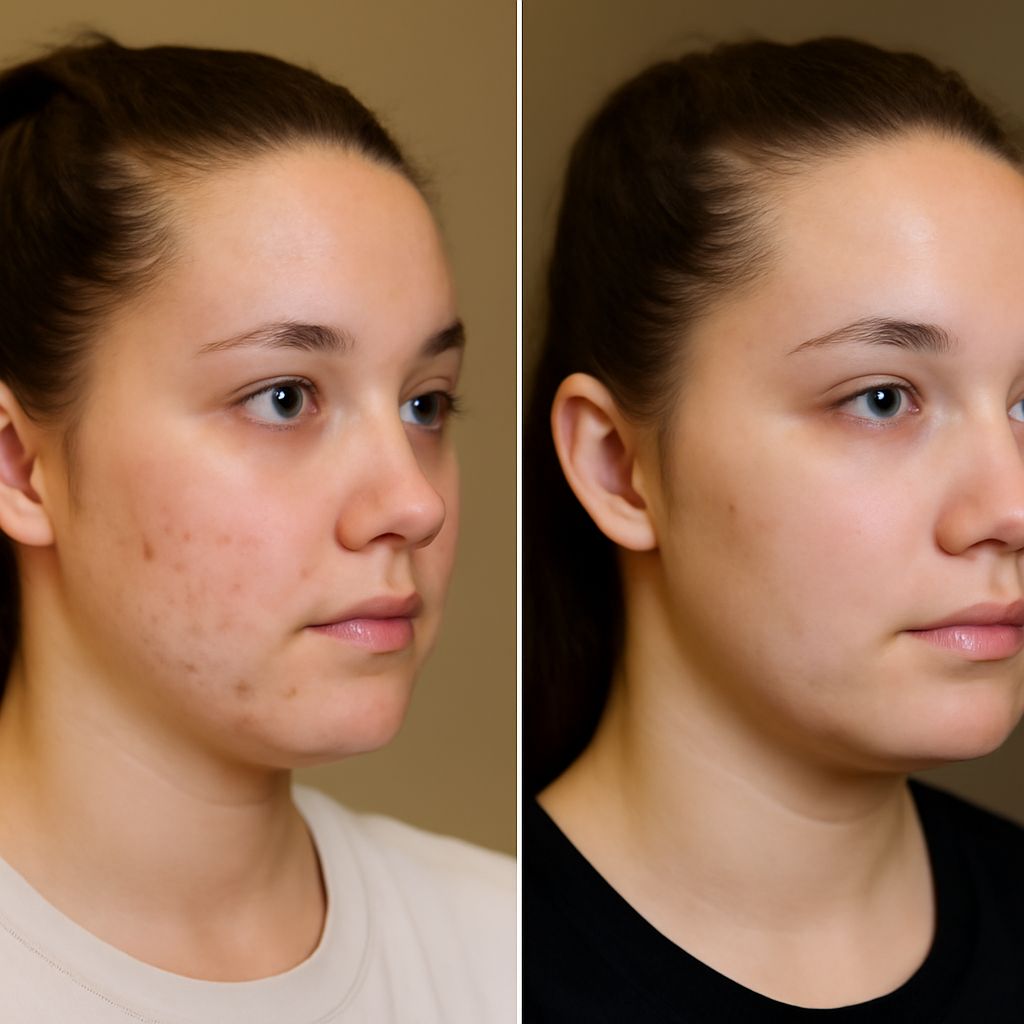
Acne is a common skin concern affecting millions worldwide, often leading to a search for effective solutions. As people increasingly seek natural remedies, “salt water for acne” has surged in popularity. Does “sea salt for acne” hold the key to clearer skin, or are “salt water acne treatments” just another trend? This article delves into these questions, exploring whether salt water can truly benefit your skin and how it might fit into your skincare routine.
What is Acne and How Does it Form?
Acne is a skin condition characterized by the appearance of pimples, blackheads, and cysts, primarily on the face, back, and shoulders. It occurs when hair follicles become clogged with oil and dead skin cells. Excess sebum production, bacteria, and inflammation are key contributors to acne development. Hormonal changes, stress, and dietary factors can exacerbate the condition, making it challenging to manage.
Can Salt Water Help Acne? Unpacking the Science
The potential of salt water as an acne remedy lies in its natural antiseptic and anti-inflammatory properties. Salt water can help to cleanse the skin, removing impurities and reducing bacteria, which may decrease acne lesions. Moreover, salt contains minerals like magnesium, calcium, and potassium that can aid in maintaining healthy skin. However, scientific evidence on the efficacy of salt water specifically for treating acne is still limited, necessitating cautious optimism.
The Benefits of Using Salt Water for Acne
Using salt water for acne can provide several benefits. Its exfoliating nature helps slough off dead skin cells, preventing pore blockages. As a natural detoxifier, salt water can draw out toxins and reduce oiliness, leading to fewer breakouts. Additionally, the soothing effects of salt water can alleviate redness and irritation associated with acne, promoting a calmer complexion.
How to Use Salt Water for Acne Treatment
To use salt water for acne treatment, start by mixing one teaspoon of high-quality sea salt with a cup of warm water. Gently apply the solution to the affected areas using a cotton ball or pad. Leave it on for about 15 minutes, then rinse with lukewarm water. This process can be repeated daily or several times a week, depending on skin sensitivity. It’s important to moisturize after treatment to prevent dryness.
Sea Salt vs. Table Salt: What’s the Difference for Acne?
When considering salt water acne treatments, it’s crucial to understand the difference between sea salt and table salt. Sea salt is obtained through the evaporation of seawater and retains trace minerals that can benefit the skin. In contrast, table salt is heavily processed, often stripping away beneficial minerals and including additives that may irritate the skin. For acne treatment, sea salt is generally preferred for its natural purity and mineral content.
Real-Life Results: Success Stories with Salt Water Acne Treatments
Many individuals have shared positive experiences using salt water as a part of their acne management routine. Some report clearer skin and reduced breakouts after consistent application. Others note improvements in skin texture and overall complexion. While anecdotal, these success stories provide encouraging insights into the potential benefits of salt water for acne-prone skin.
Precautions: When Salt Water for Acne Might Not Be Suitable
Though salt water can be beneficial, it’s not suitable for everyone. Individuals with sensitive skin may experience dryness or irritation, so it’s crucial to patch test before full application. Those with eczema or open wounds should avoid using salt water, as it can exacerbate these conditions. Always consult a dermatologist for tailored advice, especially if you’re uncertain about introducing salt water into your skincare regimen.
Alternative Natural Remedies for Acne
If salt water doesn’t suit your skin, there are other natural remedies to consider. Tea tree oil is renowned for its antimicrobial properties and can be applied topically to target acne. Aloe vera offers soothing benefits and can help reduce inflammation. Additionally, honey’s antibacterial nature makes it an excellent choice for acne-prone skin, offering both nourishment and cleansing benefits.
Key takeaways: Salt water for acne offers potential benefits due to its cleansing and anti-inflammatory properties. Sea salt is preferred over table salt for skin use. Always consider your skin type and consult a professional if unsure. Explore alternative natural remedies if salt water isn’t suitable for your needs.




Leave a Reply