
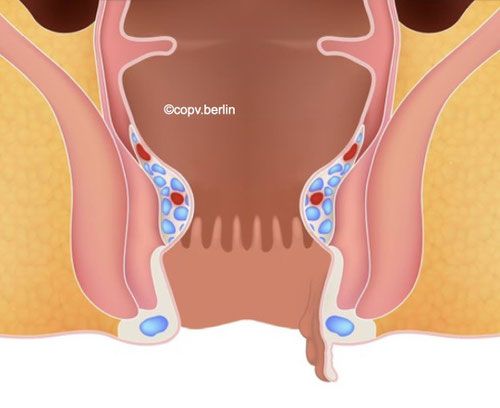
Perianal skin tags, often referred to as sentinel skin tags, can present as a significant concern for many individuals. These benign growths, found around the anal region, may cause discomfort and anxiety, particularly when people experience symptoms like dry skin on fingers or notice extra skin on anus. Identifying the causes of these skin anomalies and exploring effective treatments is crucial for maintaining skin health and reducing discomfort.
Fortunately, advancements in dermatological understanding and treatment options offer promising solutions for those affected by perianal skin tags. In this article, we will delve into the causes, characteristics, and treatment possibilities for skin tags, and explore their connection with other skin conditions, providing a comprehensive guide to managing and potentially eliminating these common skin concerns.
What Are Perianal Skin Tags?
Definition and Description
Perianal skin tags are small, benign growths that appear around the anus. These flesh-colored protrusions often result from friction, inflammation, or previous anal injuries. While generally harmless, they can cause irritation or hygiene issues for some individuals.
Causes and Risk Factors
A variety of factors can contribute to the development of skin tags in the perianal region. These include obesity, frequent irritation from wiping, genetic predispositions, and previous conditions such as hemorrhoids. Additionally, chronic friction and skin stretching can lead to their formation.
How to Identify Sentinel Skin Tags?
Visual Characteristics
Sentinel skin tags are usually small, soft, and flesh-colored. They may appear as single growths or clusters around the anus. These tags are often mistaken for other skin conditions, making proper identification important for accurate treatment.
Common Symptoms
Though typically asymptomatic, perianal skin tags can sometimes cause itching, irritation, or discomfort during bowel movements. If these symptoms persist, it may be necessary to seek medical advice.
Differentiating from Other Conditions
It’s important to distinguish skin tags from other anal conditions such as hemorrhoids or fissures. Proper diagnosis usually involves a physical examination by a healthcare professional to rule out other potential issues.
What Causes Dry Skin on Fingers and Its Connection?
Environmental Factors
Dry skin on fingers can be attributed to various environmental factors such as cold weather, frequent handwashing, and exposure to harsh chemicals. These elements strip the skin of its natural oils, leading to dryness and cracking.
Health Conditions Linked to Skin Tags
In some cases, systemic health conditions like diabetes and hormonal imbalances may contribute to both dry skin and the development of skin tags. Managing these underlying conditions can help alleviate symptoms and reduce skin tag occurrence.
Is There a Connection Between Extra Skin on Anus and Skin Tags?
Understanding Extra Skin on Anus
Extra skin on anus, often mistaken for skin tags, could actually be an indication of past hemorrhoidal activity or anal fissures. These growths are typically remnants of stretched skin.
Potential Health Implications
While extra skin itself may not pose direct health risks, its presence can indicate underlying issues such as hemorrhoids. Monitoring changes and seeking professional evaluation is advisable if persistent changes occur.
How to Treat Hemorrhoid Skin Tags?
Non-Surgical Treatments
Non-invasive treatments for hemorrhoid-related skin tags include topical creams, warm sitz baths, and lifestyle adjustments such as increasing fiber intake. These methods aim to reduce symptoms and promote healing without surgical intervention.
Surgical Options
In cases where non-surgical methods prove ineffective, surgical removal may be considered. Procedures such as laser treatments or cryotherapy can effectively eliminate skin tags, although they require professional medical guidance.
Post-Treatment Care
Post-treatment care is essential for ensuring proper healing. Patients should follow aftercare instructions carefully, including maintaining hygiene, avoiding irritants, and attending follow-up appointments to monitor recovery.
Hemorrhoid Skin Tag Picture Guide
Visual guides and photo references can provide clarity and help individuals distinguish between skin tags and other perianal conditions. However, professional diagnosis remains the most reliable method for accurate identification.
When to Seek Professional Medical Advice?
Signs That Require Medical Attention
If skin tags exhibit signs of bleeding, rapid growth, or persistent pain, it’s crucial to seek medical evaluation. These symptoms could indicate complications or the presence of other anal disorders.
Finding the Right Specialist
Consulting with a dermatologist or proctologist can provide patients with expert advice and tailored treatment plans. These specialists possess the expertise to accurately diagnose and effectively treat perianal skin concerns.
Key takeaways: Perianal skin tags are generally benign but may require professional attention if symptomatic. Understanding the causes and exploring both non-surgical and surgical treatments can provide relief. For persistent or concerning symptoms, consulting a specialist is advised to ensure accurate diagnosis and effective management.





Leave a Reply