
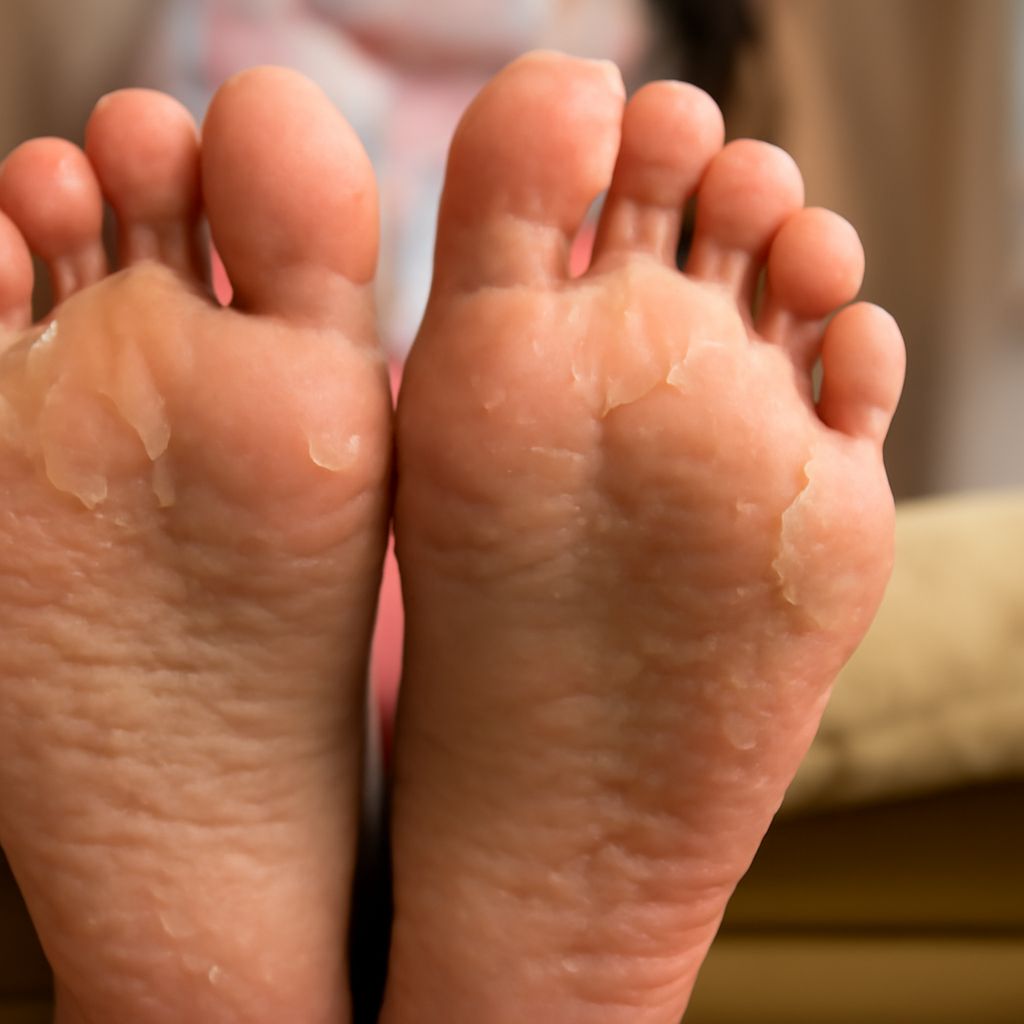
Many people experience the discomfort of dead skin on toes, often wondering why it happens and how to address it effectively. This issue can lead to skin on the bottom of feet peeling, which is not only unattractive but can also cause irritation. Fortunately, understanding the underlying causes and exploring solutions can help achieve smoother, healthier skin. Whether it’s lots of dead skin on feet or just minor calluses, tackling this problem requires a targeted approach.
By gaining insight into the reasons behind dead skin buildup and implementing simple yet effective strategies, individuals can improve their foot health dramatically. From exfoliation techniques to choosing proper footwear, there are multiple ways to manage and prevent unwanted skin on feet. Let’s delve into the causes, solutions, and benefits of maintaining optimal foot health.
What Causes Dead Skin on Toes?
Natural Skin Shedding
Like other areas of the body, the skin on feet naturally sheds over time. This process is essential for replacing old skin cells with new ones, but sometimes the shedding can accumulate, particularly around the toes. Regular cleansing and exfoliation can help manage this natural turnover.
Footwear and Friction
Wearing tight or ill-fitting shoes can lead to increased friction on the skin, causing dead skin to develop. Over time, this friction results in hardened calluses and thick patches of skin, especially on toes. Choosing footwear that provides ample support and space can reduce these friction-related issues.
Environmental Factors
Environmental conditions such as humidity levels and temperature changes play a role in skin health. Dry, cold weather can exacerbate the accumulation of dead skin by removing moisture. Conversely, excessive moisture can lead to skin peeling due to soggy skin layers. Being mindful of the environment and taking preventive measures can minimize these effects.
Why is the Skin on the Bottom of My Feet Peeling?
Dryness and Dehydration
A common reason for peeling skin on the feet is dryness. Without adequate moisture, skin becomes brittle and begins to flake. Ensuring proper hydration and using moisturizers regularly can combat this issue effectively.
Fungal Infections
Fungal infections like athlete’s foot can cause skin peeling and discomfort. These infections thrive in damp environments, making feet a prime target. Antifungal treatments and maintaining dry feet can help resolve infections and prevent recurrence.
Eczema and Psoriasis
Conditions such as eczema and psoriasis can lead to skin on feet peeling due to inflammation and irritation. Managing these conditions with appropriate skincare routines and medications can alleviate symptoms significantly.
How Can I Remove Dead Skin from My Feet?
Exfoliation Techniques
Exfoliating is an effective way to remove dead skin from feet. Using pumice stones, exfoliating brushes, or chemical exfoliants can help smooth the skin and remove excess layers. Regular exfoliation can prevent buildup and maintain healthy skin textures.
Soaking and Moisturizing
Soaking feet in warm water softens the skin, making it easier to remove dead layers. Follow up with a rich moisturizer to lock in hydration and improve skin elasticity. Incorporating these steps into a regular foot care routine can yield noticeable results.
Using Foot Scrubs
Foot scrubs contain ingredients such as salts, sugars, and oils designed to exfoliate and rejuvenate feet. They can be an enjoyable addition to foot care, providing both relaxation and effective skin removal. Choosing scrubs with natural ingredients can enhance skin health safely.
What Are the Benefits of Removing Thick Dead Skin on Feet?
Improved Foot Health
Removing thick layers of dead skin promotes better foot health. It reduces the risk of infections and calluses, enhancing overall foot functionality. Healthy feet support daily activities and exercise, ensuring individuals maintain active lifestyles.
Enhanced Comfort
Smooth feet feel comfortable inside shoes, avoiding the discomfort and pain of hardened skin. This comfort is particularly important for people who spend long hours on their feet or engage in regular physical activities.
Aesthetic Benefits
Aside from practical advantages, removing dead skin enhances the appearance of feet. Soft, smooth skin is visually appealing, boosting confidence and encouraging individuals to wear open footwear without hesitation.
How to Prevent Lots of Dead Skin on Feet in the Future
Proper Footwear
Investing in shoes that fit well and provide ample cushioning can prevent excessive friction and dead skin buildup. Opt for breathable materials and ensure a proper fit to minimize skin stress.
Regular Foot Care Routine
Establishing a consistent foot care routine that includes cleaning, exfoliation, and moisturizing is key to preventing dead skin accumulation. Regular attention ensures feet remain in optimal condition.
Hydration and Nutrition
Maintaining hydration and a balanced diet supports skin health from the inside out. Drinking plenty of water and consuming nutrients essential for skin health, like vitamins A and E, can fortify skin resilience.
When Should You See a Specialist for Your Feet?
Persistent Problems
If dead skin issues persist despite home treatments, consulting a specialist may be necessary. Professional evaluation can diagnose underlying conditions or recommend advanced treatments.
Signs of Infection
Signs such as redness, swelling, or pain may indicate an infection that requires medical attention. Prompt treatment can prevent complications and ensure quick recovery.
Professional Treatments
For severe cases, professional treatments like medicated creams or laser therapy can provide relief and address stubborn issues effectively. Specialists can offer tailored solutions for individual needs.
Bottom line: Managing dead skin on toes and feet involves understanding causes, practicing regular care, and knowing when to seek expert advice. With proper attention and habits, achieving healthier, smoother feet is entirely possible, enhancing both comfort and appearance.





Leave a Reply