
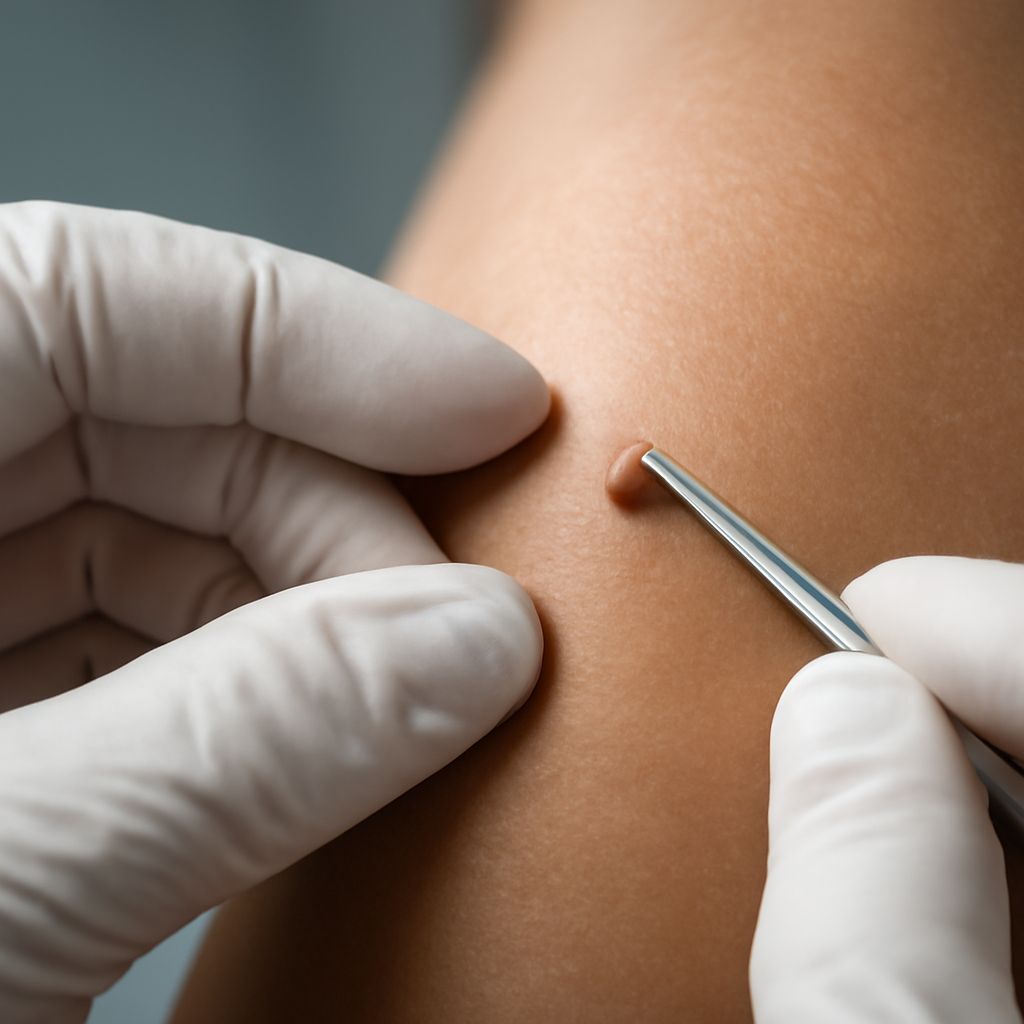
Preauricular skin tags can be a source of discomfort and self-consciousness for many individuals. These small, benign growths often appear in noticeable areas, causing both physical and psychological distress. Understanding the nuances of thrombosed skin tags and utilizing tag-free skin tag removers can significantly simplify the removal process. This article aims to highlight various removal options, including the use of skin tag scissors, and delve into the intricacies of CPT coding for effective billing and insurance purposes.
By demystifying the processes involved in skin tag removal and shedding light on preventive measures, this guide seeks to empower individuals in managing their skin health more effectively. Whether dealing with preauricular skin tags or seeking a precise CPT code for reimbursement, this article will provide valuable insights and practical solutions.
What is a Skin Tag?
Definition of Skin Tags
Skin tags, or acrochordons, are small, benign tumors that typically appear on the skin’s surface. They are generally harmless and composed of a core of fibers and ducts, nerve cells, and fat cells, covered by epidermis.
Common Locations for Skin Tags
These benign growths frequently occur in areas of the body where skin rubs against skin or clothing, such as the neck, armpits, groin, and under the breasts. Occasionally, they may also appear on the eyelids or other parts of the face.
Why Do Skin Tags Occur?
While the exact cause of skin tags remains unclear, they are believed to develop due to skin friction. Factors such as age, obesity, and possibly genetics may increase the likelihood of their formation. Hormonal changes during pregnancy may also contribute to their development.
CPT Code for Skin Tag Removal
Understanding CPT Codes
Current Procedural Terminology (CPT) codes are used by healthcare providers to describe medical, surgical, and diagnostic services. These codes are essential for billing and insurance purposes, ensuring that the services provided are properly documented and reimbursed.
Specific Code for Skin Tag Removal
The specific CPT code for skin tag removal is 11200 for the first 15 lesions. If more than 15 lesions are removed, additional codes such as 11201 are used for each additional 10 lesions. These codes help standardize the removal process across different medical facilities and practitioners.
Billing and Insurance Considerations
Accurate coding is crucial for insurance claims and reimbursement. Some insurance plans may cover skin tag removal if deemed medically necessary, while others may consider it a cosmetic procedure. Patients should verify their coverage with their insurance provider to avoid unexpected expenses.
Preauricular Skin Tag: Causes and Treatments
What is a Preauricular Skin Tag?
A preauricular skin tag is a growth located near the front of the ear. These tags are often congenital and usually harmless, though they can sometimes indicate underlying syndromes or other health concerns.
Causes of Preauricular Skin Tags
Preauricular skin tags are typically present at birth and can result from incomplete embryonic development. While they are generally benign, their presence can sometimes be associated with genetic conditions.
Treatment Options for Preauricular Skin Tags
Treatment often involves surgical removal, particularly if the tag is causing discomfort or if there is a concern about its appearance. Consultation with a healthcare provider is recommended to determine the best course of action.
Thrombosed Skin Tag: Symptoms and Solutions
Identifying Thrombosed Skin Tags
Thrombosed skin tags occur when a blood clot forms within the tag, leading to pain and discoloration. These tags may appear dark red or black due to restricted blood flow.
Symptoms of Thrombosed Skin Tags
The symptoms include sudden onset of pain, swelling, and a change in color of the skin tag. The tag may become tender to touch and could potentially lead to inflammation.
How to Treat Thrombosed Skin Tags
Treatment usually involves professional removal by a healthcare provider. Over-the-counter treatments are generally not recommended due to the risk of infection or improper removal. A healthcare professional can safely excise the thrombosed tag and provide aftercare advice.
Skin Tag Removal Methods
Using Skin Tag Scissors
Skin tag scissors are specifically designed for the removal of skin tags. They allow for precise cutting, minimizing the risk of infection and promoting quicker healing. However, using them should be done cautiously, and ideally under the guidance of a healthcare professional.
Benefits of Tag Free Skin Tag Removers
Tag-free skin tag removers offer a non-invasive alternative for those looking to remove skin tags without surgical intervention. These products, often in the form of creams or patches, work by drying out the tag until it falls off naturally. Users should follow instructions carefully to avoid skin irritation.
Professional vs. Home Remedies
Professional removal methods, including cryotherapy, surgical excision, and electrosurgery, offer a higher degree of safety and effectiveness, especially for larger or thrombosed tags. Home remedies, while popular, carry risks such as infection and incomplete removal.
Preventing Skin Tags
Lifestyle Changes to Prevent Skin Tags
Maintaining a healthy weight and managing friction through proper clothing choices can help reduce the risk of skin tag development. Regular skincare and hygiene practices also play a role in prevention.
Dietary Recommendations
A balanced diet rich in nutrients can support skin health. Antioxidants, vitamins, and minerals found in fruits and vegetables may contribute to healthier skin and potentially lower the likelihood of skin tags.
Medical Advice for Skin Tag Prevention
Regular check-ups with a dermatologist can provide personalized advice on preventing skin tags. Medical professionals can offer guidance on treatment options and the most effective preventive measures based on individual skin types and conditions.
Safety Note: Always consult with a healthcare professional before attempting to remove skin tags at home, particularly when using sharp instruments or chemicals. Improper removal can lead to infection or scarring.
Bottom line: Skin tags are a common skin condition that can be managed with appropriate medical intervention and preventive measures. Understanding the CPT code for skin tag removal and the various treatment options can help streamline the process of managing these benign growths effectively.




Leave a Reply