
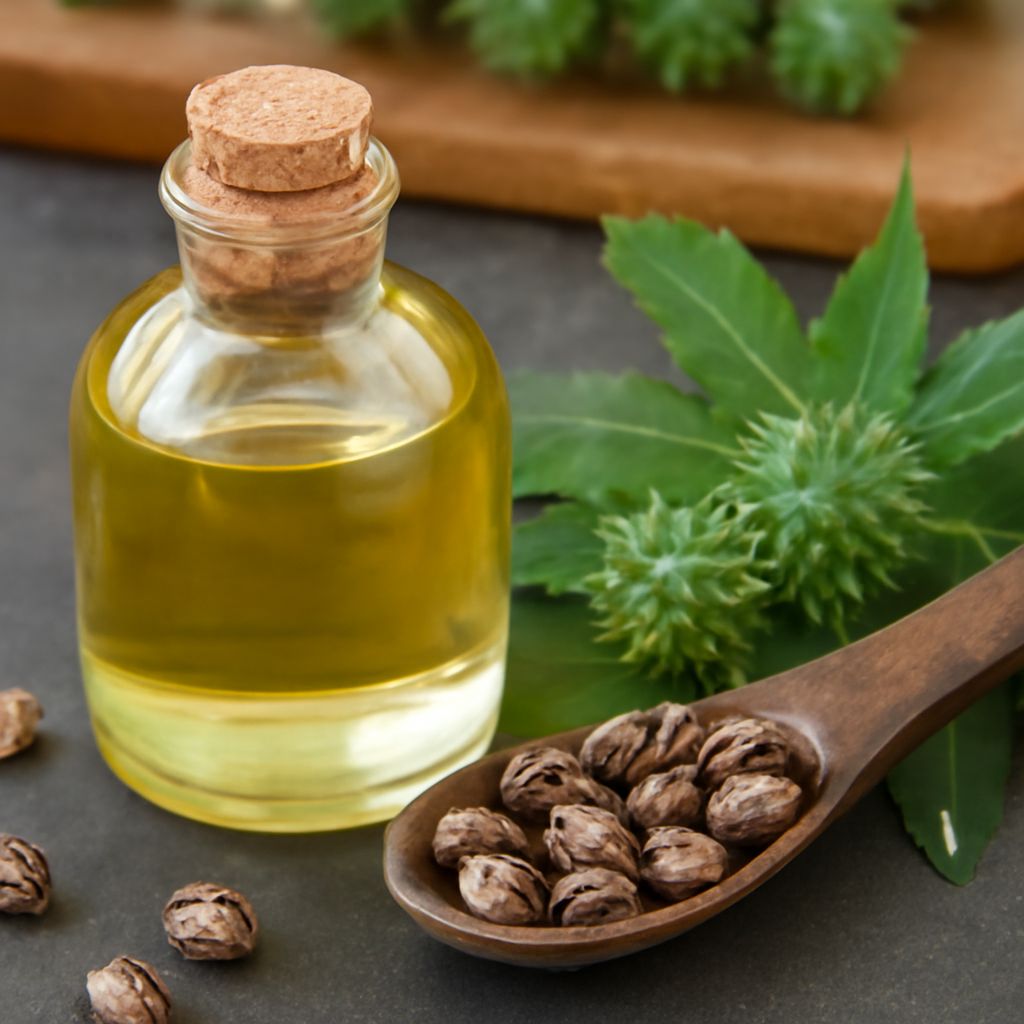
Skin tags, those pesky little growths, can be a source of irritation and self-consciousness for many. Fortunately, nature offers a solution in the form of castor oil. Known for its healing properties, castor oil can be an effective natural remedy for skin tags, providing an alternative to more invasive procedures. Additionally, other oils like hazelnut oil for skin soothing, primrose oil for enhanced radiance, ginger oil for rejuvenation, and mink oil for deep moisturization contribute to holistic skin care.
This article explores how these oils can be used not only for skin tag removal but also for overall skin health. We will delve into the composition and benefits of each oil, their safety profiles, and how they can be combined for optimal results.
What are Skin Tags and How Do They Form?
Definition of Skin Tags
Skin tags are benign, soft, skin-colored growths that hang off the skin. They are composed of loose collagen fibers and blood vessels surrounded by skin. While they are harmless, they can be bothersome, especially if they appear in visible or sensitive areas.
Causes of Skin Tags
Skin tags form due to various reasons, including friction from skin rubbing against skin, hormonal changes, and genetics. They are more common in areas such as the neck, armpits, and groin.
Common Locations for Skin Tags
These growths frequently appear in areas where skin folds or where there is frequent friction. Common locations include the eyelids, under the breasts, and around the neck. They can also develop in the groin or thigh area.
How Can Castor Oil Help with Skin Tags?
Properties of Castor Oil
Castor oil is derived from the seeds of the castor bean plant. It possesses anti-inflammatory and antibacterial properties, making it an excellent natural remedy for a variety of skin issues, including skin tags.
Application Methods
To use castor oil for skin tags, apply a small amount to the affected area using a cotton swab. For enhanced effectiveness, combine it with baking soda to form a paste, then apply it to the skin tag and cover it with a bandage overnight.
Effectiveness of Castor Oil
While anecdotal evidence supports the use of castor oil for removing skin tags, results can vary. Regular application over several weeks is often necessary to see noticeable changes.
What are Other Oils for Skin Care?
Benefits of Hazelnut Oil for Skin
Hazelnut oil is rich in antioxidants and vitamin E, offering anti-inflammatory benefits and promoting skin hydration. It is particularly beneficial for oily or acne-prone skin due to its astringent properties.
Primrose Oil for Skin Enhancement
Evening primrose oil is renowned for its high gamma-linolenic acid content, which helps improve skin elasticity and moisture. It is often used to enhance skin radiance and reduce signs of aging.
Ginger Oil for Skin Rejuvenation
Ginger oil stimulates circulation and has antioxidant properties that rejuvenate the skin. Its warming effect can invigorate dull complexions and promote a healthy glow.
Mink Oil for Skin Moisturization
Mink oil is known for its deep moisturizing capabilities. It penetrates the skin easily, making it an excellent option for those with extremely dry or mature skin. Its composition closely resembles the human sebum, which enhances its absorption.
Are These Oils Safe for All Skin Types?
Potential Side Effects
While these oils are generally safe, some individuals may experience irritation or allergic reactions. It is essential to perform a patch test before applying any oil extensively.
Safety Precautions
When using oils, ensure they are pure and free from additives. Avoid using them on open wounds or broken skin. Seek medical advice if you have sensitive skin or existing skin conditions.
Testimonies and Experiences
Many users report positive outcomes when using these oils for skin care. However, experiences can vary based on individual skin types and conditions.
How to Choose the Best Oil for Your Skin Needs?
Considerations for Different Skin Types
Consider your skin type when selecting an oil. For instance, hazelnut oil suits oily skin, while mink oil benefits dry skin. Primrose oil is ideal for mature skin due to its anti-aging properties.
Comparing Oil Benefits
Each oil offers unique advantages. Compare their benefits to see which aligns best with your skin goals. For comprehensive skin health, you might consider using a combination of oils.
Expert Recommendations
Consulting a dermatologist can provide personalized advice tailored to your skin type and needs. Experts can recommend specific oils and combinations to achieve the best results.
Can These Oils Be Combined for Better Results?
Synergistic Effects of Oil Combinations
Combining oils can enhance their benefits. For example, mixing castor oil with ginger oil can combine anti-inflammatory and rejuvenating properties for a more holistic approach.
DIY Oil Blends
Creating your own oil blend allows you to customize the mixture to meet your specific skin concerns. Experiment with different ratios to find the perfect balance for your skin.
Tips for Effective Use
For effective use, apply oils after cleansing to ensure they penetrate deeply. Use a small amount and massage gently into the skin to boost absorption.
Safety Recap: When using any sharp tools or potent oils, exercise caution to prevent skin damage. Always perform a patch test and consult with a healthcare professional if you experience any adverse reactions.





Leave a Reply