
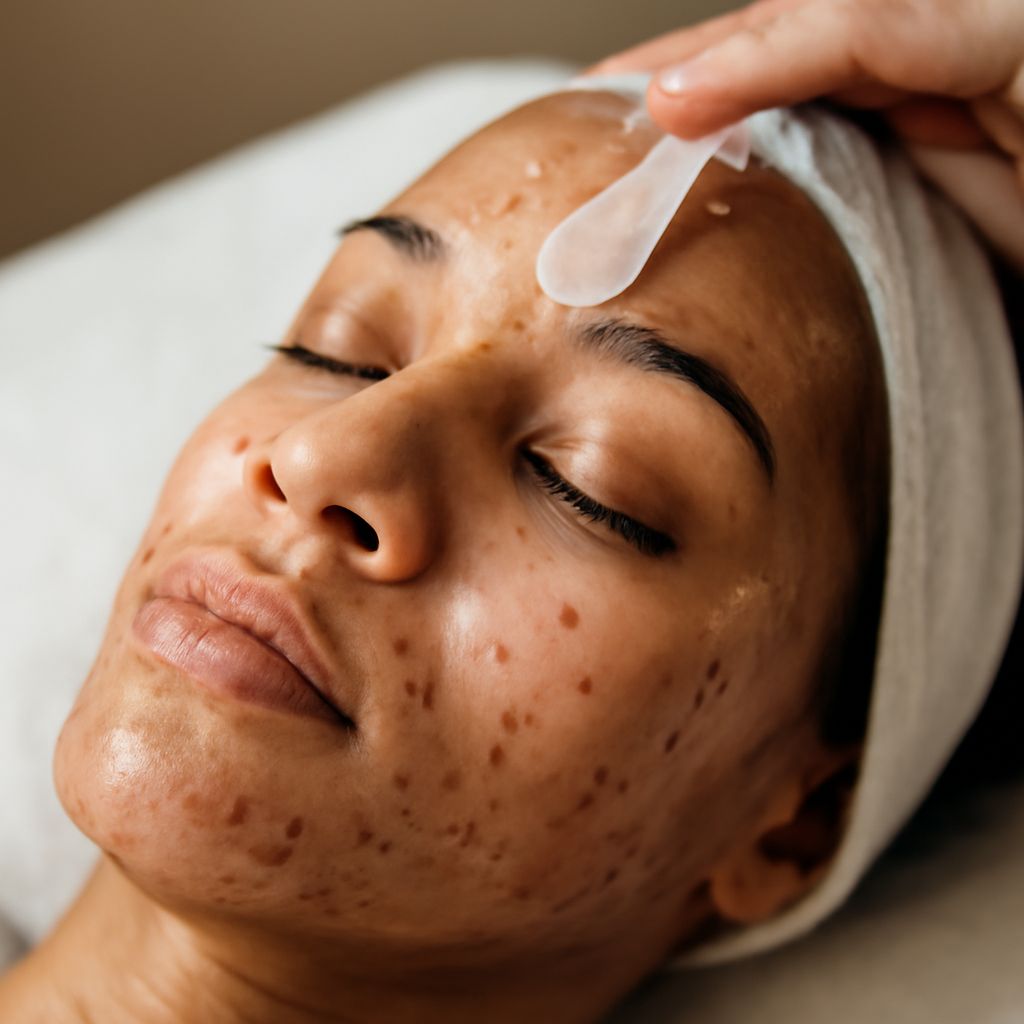
In the quest for flawless skin, many individuals go to great lengths, trying a wide range of products and remedies. An unconventional method that has sparked curiosity is the use of sperm for skincare. Proponents claim that semen can help acne, offering benefits that include smoother and clearer skin. But is sperm genuinely good for your skin, or is it just another myth perpetuated by wishful thinking?
Through this article, we will explore the claims regarding sperm and skin health, investigate its potential effects on acne, and examine any risks associated with its use. Furthermore, we’ll provide evidence-based alternatives for treating acne effectively.
What Are the Claims About Sperm and Skin Health?
Understanding the Popular Beliefs
There are numerous popular beliefs that attribute beneficial properties to sperm when applied to the skin. These include claims that it can make the skin soft, reduce wrinkles, and improve acne conditions. Some advocates believe that the proteins, enzymes, and other nutrients found in semen contribute to these beneficial effects.
Scientific Basis for These Claims
Despite these widespread beliefs, scientific evidence supporting the efficacy of sperm for improving skin health is limited. While semen does contain components like urea and proteins, these substances are also present in many conventional skincare products. Research has yet to conclusively prove that sperm offers unique benefits beyond those provided by existing skincare treatments.
Can Sperm Help with Acne?
How Semen Might Affect Acne
The idea that semen can help acne primarily stems from its composition, which includes ingredients thought to be beneficial for the skin. Some suggest that its antibacterial properties might reduce acne-causing bacteria. Moreover, the presence of antioxidants is believed to help neutralize harmful free radicals on the skin.
Dermatologists’ Opinions on Using Sperm for Acne
Most dermatologists remain skeptical about the use of sperm as a treatment for acne. They emphasize that while semen may have some beneficial compounds, these are not unique to it and can be found in various skincare products formulated specifically for acne. Experts generally favor evidence-backed treatments, highlighting the lack of clinical studies supporting the use of sperm for acne management.
Are There Any Risks or Side Effects?
Potential Allergic Reactions
Using sperm on the skin carries the risk of allergic reactions, which can result in redness, itching, and discomfort. Individuals with sensitive skin or known allergies should be particularly cautious. It is always advisable to perform a patch test before applying any new substance to a larger skin area.
Hygiene and Safety Concerns
Hygiene is another concern when considering sperm as a skincare remedy. Semen can harbor bacteria or viruses, raising potential health risks, especially if sourced from multiple individuals. Proper handling and storage are crucial, but these challenges make sperm a less practical and safe option compared to conventional products.
What Are the Alternatives to Sperm for Acne Treatment?
Proven Acne Treatments
Thankfully, there are numerous proven acne treatments available. Over-the-counter options containing benzoyl peroxide or salicylic acid have a solid track record for reducing acne. Prescription treatments, such as topical retinoids or oral antibiotics, can also be effective for more severe cases, under the guidance of a dermatologist.
Natural Remedies for Acne
For those seeking natural alternatives, options include tea tree oil, which has antimicrobial properties, and aloe vera, known for its soothing and anti-inflammatory effects. Dietary changes, such as reducing sugar intake and eating an anti-inflammatory diet, may also support clearer skin by addressing underlying causes of acne.
Bottom line: While the notion that sperm is good for your skin, particularly in treating acne, persists, there is insufficient scientific evidence to support its efficacy. Consider safer, evidence-based skincare options to maintain healthy skin. Always consult a dermatologist before trying unconventional remedies, ensuring your skin’s safety and health.




Leave a Reply