
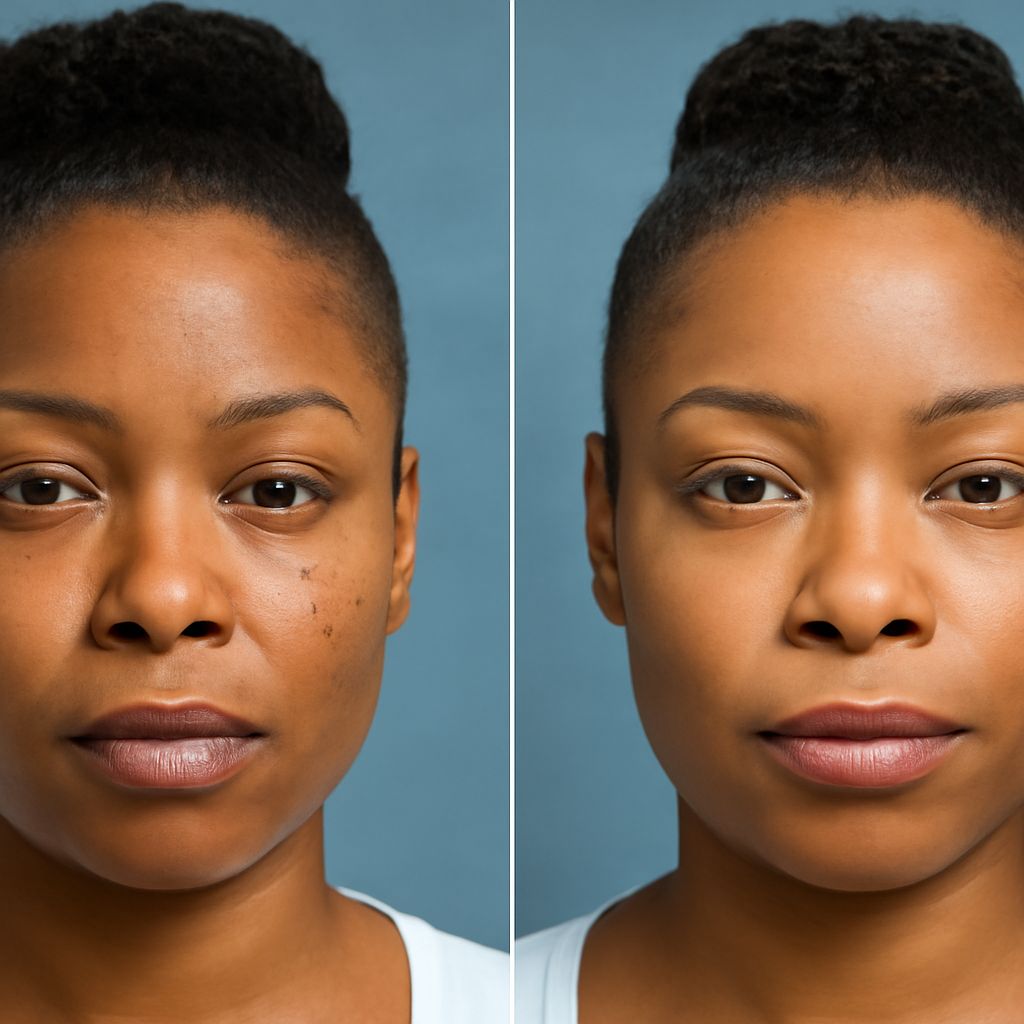
Acne is a common skin problem, affecting millions and often leading to frustrating scars and blemishes. If you are seeking an effective solution, acne peel treatments could be the answer. These chemical peels for acne work by exfoliating the skin deeply, reducing acne scars and improving skin texture. In the following sections, we will explore how acne chemical peels work, their benefits, and what to expect from this transformative treatment.
What is a Chemical Peel for Acne?
Understanding the Basics of Acne Peel
Chemical peels for acne are specialized treatments designed to target acne-related issues. The process involves applying a chemical solution to the skin, causing the outer layer to peel away. The result is a rejuvenated layer of skin that looks smoother and less blemished. This exfoliation process helps in unclogging pores, reducing inflammation, and promoting new cell growth.
Types of Chemical Peels for Acne Treatment
There are various types of chemical peels available, categorized by their depth of penetration into the skin: superficial, medium, and deep peels. Superficial peels use mild acids like alpha hydroxy acids (AHAs) to gently exfoliate. Medium peels, often employing trichloroacetic acid (TCA), penetrate deeper to address moderate acne scars. Deep peels, using phenol, target severe scars but require more recovery time.
How Does an Acne Chemical Peel Work?
The Science Behind Chemical Peel Acne Treatments
The science behind chemical peels lies in their ability to accelerate skin renewal. By applying acids like glycolic acid or salicylic acid, the peel dissolves dead skin cells, oil, and dirt trapped in pores. This action not only clears existing acne lesions but also prevents future outbreaks by maintaining clear pores.
Expected Results from Chemical Peels for Acne
Patients can expect improved skin texture, reduced acne scars, and a more even complexion following a chemical peel. While results vary based on individual skin type and the severity of acne, repeated sessions often yield significantly clearer and healthier skin.
Are Chemical Peels Effective for Acne Scars?
Types of Acne Scars Addressed by Chemical Peels
Chemical peels are effective against various types of acne scars, including ice pick, boxcar, and rolling scars. By removing the damaged upper skin layers, peels promote the growth of new, undamaged skin, thereby smoothing the appearance of scars.
Long-term Benefits of Acne Chemical Peels
Beyond immediate improvements, chemical peels offer long-term benefits such as sustained skin clarity, improved collagen production, and enhanced skin elasticity. Regular treatments can maintain smooth skin and reduce the recurrence of acne.
What to Expect During a Chemical Peel for Acne?
Pre-treatment Preparations
Preparing for a chemical peel involves avoiding certain medications and skincare products that can increase skin sensitivity. A professional consultation will determine the appropriate type of peel based on skin type and acne severity.
Post-treatment Care and Recovery
Post-treatment care is crucial for optimal results. Patients should use gentle cleansers, moisturizers, and sunscreen to protect the new skin layer. Redness and peeling are common, but they are temporary and will subside as the skin heals.
Who Should Consider a Chemical Peel Acne Treatment?
Ideal Candidates for Acne Chemical Peels
Individuals with persistent acne, scarring, and uneven skin texture are ideal candidates. Those with relatively healthy skin seeking improvements in minor blemishes may also benefit from lighter peels. However, individuals with severe skin sensitivities or active infections should consult a dermatologist before proceeding.
Consultation and Professional Advice
Professional advice is essential for anyone considering a chemical peel for acne. Dermatologists can assess skin type, acne severity, and recommend tailored treatment plans. Their expertise ensures safety and effectiveness, minimizing risks associated with the procedure.
Safety Recap: Chemical peels are powerful tools in the fight against acne, but they require professional oversight to ensure skin safety and effectiveness. Proper pre and post-care further mitigate risks, ensuring the best possible outcome for clear, healthy skin.




Leave a Reply