
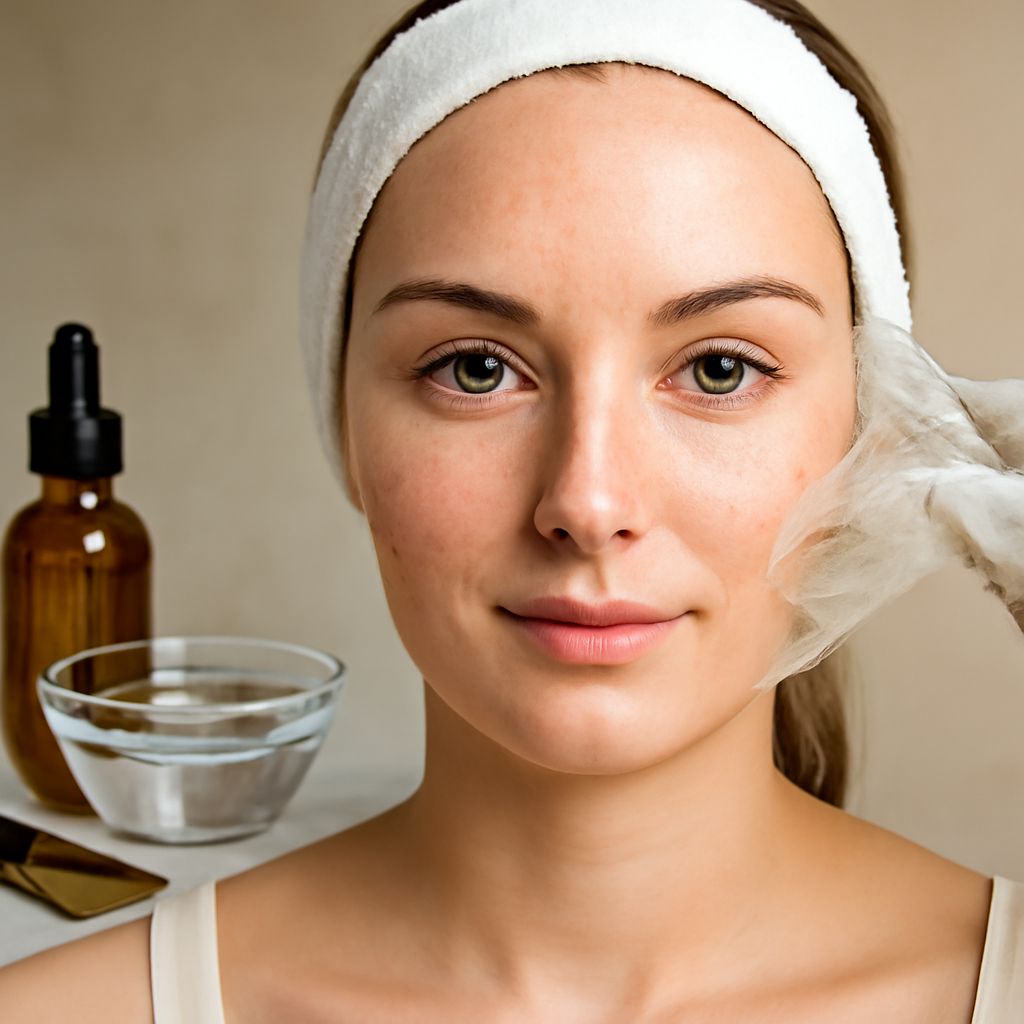
Acne scars can be a persistent reminder of past breakouts, affecting not just the appearance of your skin but also your confidence. Thankfully, chemical peel acne scars treatments offer a promising solution to this common problem. Through carefully formulated chemical peels, you can significantly improve the texture and appearance of your skin, providing a clearer and smoother complexion.
This comprehensive guide explores the best chemical peel for acne scars, including options for at home chemical peel treatments. By understanding the different types of peels and how they work on acne scars, you can make informed decisions about what’s best for your skin. Let’s delve into the world of chemical peels and discover the path to clearer skin.
What are Chemical Peels for Acne Scars?
Understanding Chemical Peels
Chemical peels are dermatological treatments designed to improve the appearance of the skin by exfoliating the outer layers. They involve applying a chemical solution to the skin, which causes the top layers to peel off, revealing newer, healthier skin underneath. Chemical peels can address various skin concerns, including acne scars, fine lines, and sun damage.
How Chemical Peels Work on Acne Scars
For acne scars, chemical peels can be particularly effective. The chemicals used in these peels help to break down the bonds between the cells in the outer layer of skin, promoting shedding and regeneration. This process can gradually reduce the depth and visibility of acne scars, resulting in a smoother skin texture over time. The type and strength of peel used will depend on the severity of the scars and skin type.
Why Choose a Chemical Peel for Acne Scars?
Benefits of Chemical Peels
Chemical peels offer several benefits for those struggling with acne scars. They not only reduce the appearance of scars but also improve overall skin tone and texture. Additionally, chemical peels can help unclog pores, reduce acne breakouts, and stimulate collagen production, which is essential for healthy skin repair.
Comparing Chemical Peels to Other Treatments
When compared to other acne scar treatments such as laser therapy or microneedling, chemical peels can be a less invasive and more cost-effective option. While treatments like laser might provide faster results, chemical peels are often easier to customize for different skin types and concerns. However, the choice between treatments should depend on individual skin needs and the advice of a skincare professional.
Which is the Best Chemical Peel for Acne Scars?
Types of Chemical Peels
There are several types of chemical peels available, each with varying strengths and ingredients. Glycolic acid peels are mild and suitable for light acne scars. Salicylic acid peels are beneficial for acne-prone skin, helping to clear pores and reduce inflammation. For deeper scars, trichloroacetic acid (TCA) peels may be recommended. Phenol peels are the strongest and typically used for severe scarring and deeper skin issues.
Factors to Consider When Choosing a Peel
When selecting the best chemical peel for acne scars, consider factors such as your skin type, the severity of your scarring, and any previous skin reactions to treatments. Consulting with a dermatologist can help you determine the most suitable peel for your needs. It’s also crucial to consider downtime and aftercare requirements, as some peels may require more recovery time than others.
Can I Use an At Home Chemical Peel for Acne Scars?
Safety Tips for At Home Peels
At home chemical peel treatments can be an effective and convenient option for those seeking to address mild acne scars. However, it’s essential to consider safety and follow the instructions carefully to avoid skin irritation or damage. Always start with a patch test on a small skin area, use products specifically designed for home use, and avoid using harsh exfoliants or retinoids immediately before or after a peel.
Best At Home Chemical Peel Products
Some of the best at home chemical peel products for acne scars include those containing glycolic or lactic acid, which are generally gentler on the skin. Look for reputable brands known for their effective formulations and user-friendly applications. Reading reviews and consulting skincare experts can also help in selecting the right product for your skin concerns.
How to Care for Your Skin After a Chemical Peel
Post-Peel Skincare Routine
After undergoing a chemical peel, proper skincare is vital to ensure the best results and minimize side effects. Immediately after the peel, avoid sun exposure and apply a broad-spectrum sunscreen daily. Hydrating creams and gentle cleansers can help soothe and protect the skin. It’s important to refrain from picking or peeling the skin, as this can lead to further irritation or scarring.
Common Side Effects and How to Manage Them
Common side effects of chemical peels may include redness, peeling, and sensitivity. These are typically temporary and can be managed with appropriate aftercare. Moisturizing the skin and avoiding harsh skincare products can aid in the healing process. If you experience prolonged discomfort or unusual symptoms, consult a healthcare professional for advice.
Safety Recap: When using chemical peels, especially at home, it is crucial to prioritize safety to prevent adverse effects. Always follow product instructions and consult a dermatologist for personalized recommendations, particularly if you have sensitive skin or underlying skin conditions.




Leave a Reply