
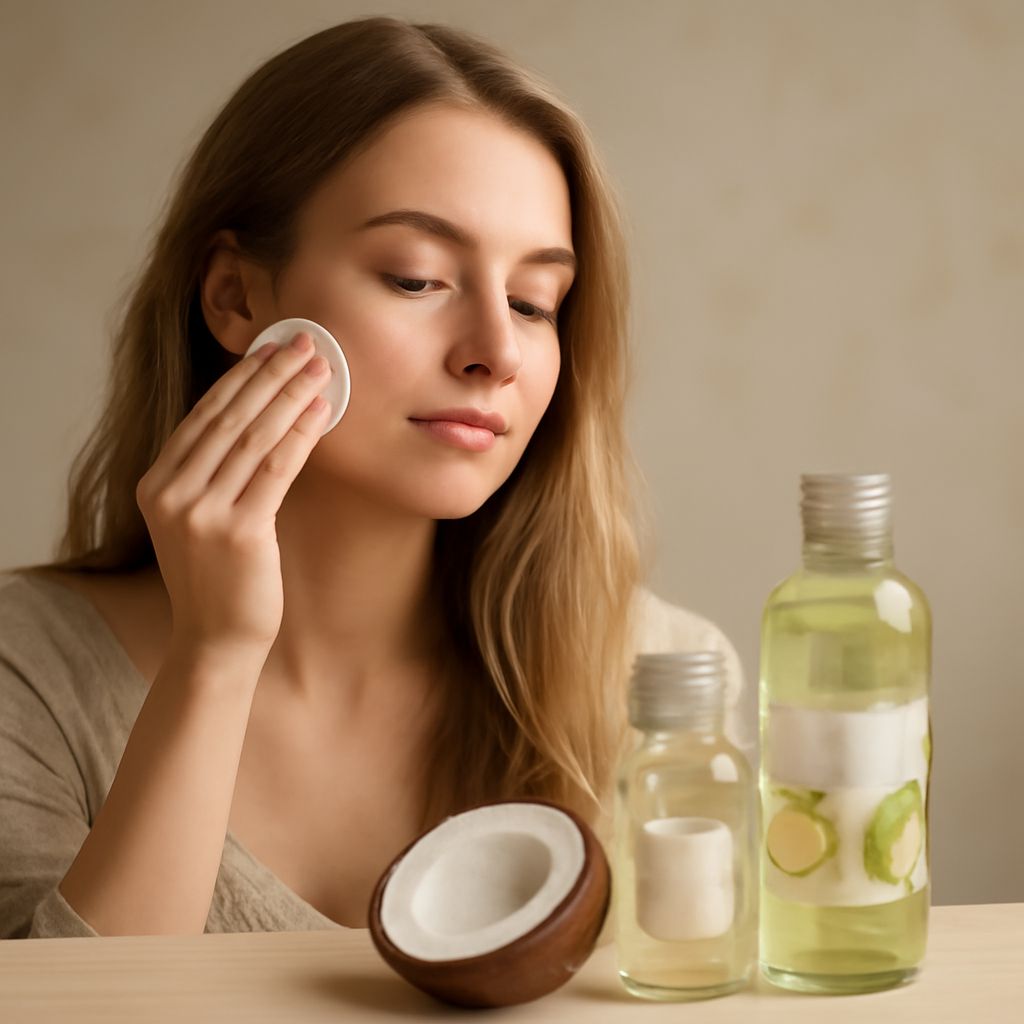
For those grappling with stubborn face acne, the search for effective and natural solutions is ongoing. Among the myriad of treatments, coconut oil has gained attention for its purported benefits. But is coconut oil truly beneficial for acne-prone skin, or does it pose more risks than rewards? This article delves into the properties of coconut oil, its impact on acne, and whether it is a suitable addition to your skincare routine.
Coconut oil’s allure in skincare is undeniable, with claims suggesting it can help acne. However, understanding its composition and potential effects is crucial before making it a staple in your regimen. In this comprehensive guide, we explore whether coconut oil is the right choice for your skin type and how best to incorporate it into your acne treatment plan.
What Are the Properties of Coconut Oil?
Understanding the Composition of Coconut Oil
Coconut oil is extracted from the meat of matured coconuts and is rich in fatty acids, particularly lauric acid, which comprises about 50% of its composition. Lauric acid is known for its antimicrobial properties, which can help reduce certain bacteria associated with acne. Additionally, coconut oil contains caprylic and capric acids, adding to its antimicrobial and anti-inflammatory effects.
Why Coconut Oil is Popular in Skincare
The popularity of coconut oil in skincare stems from its multifaceted benefits. It is a natural moisturizer that penetrates the skin easily without leaving a greasy residue. This quality makes coconut oil attractive for individuals seeking hydration without clogging pores. Furthermore, its antioxidant properties may protect the skin from free radical damage, promoting overall skin health.
How Does Coconut Oil Affect Acne?
Exploring the Benefits of Coconut Oil for Acne
Proponents of coconut oil suggest that its antimicrobial properties may help in reducing acne-causing bacteria on the skin. When used appropriately, coconut oil might reduce inflammation and redness associated with acne lesions. Its moisturizing capabilities can prevent the skin from overproducing sebum, a common trigger for acne outbreaks.
Potential Risks and Considerations
Despite its benefits, coconut oil is not universally suitable for all skin types. Its comedogenic nature means it can potentially clog pores, exacerbating acne for some individuals. Those with oily or sensitive skin should approach coconut oil with caution. Starting with a patch test can help determine if coconut oil will aggravate the skin or induce breakouts.
Is Coconut Oil Suitable for Your Skin Type?
Skin Types That Benefit from Coconut Oil
Dry and normal skin types generally experience the most benefit from coconut oil. Its hydrating properties can enhance skin texture and provide a protective barrier against environmental stressors. For these skin types, coconut oil may help maintain a balanced oil production, thus reducing acne occurrences.
Alternative Treatments for Acne-Prone Skin
For those who find coconut oil too heavy, exploring alternative acne treatments is advisable. Ingredients such as salicylic acid, benzoyl peroxide, and tea tree oil offer effective ways to combat acne without the risk of pore-clogging. Consulting with a dermatologist can provide personalized guidance tailored to your specific skin concerns.
How to Use Coconut Oil for Face Acne?
Step-by-Step Guide to Using Coconut Oil
To use coconut oil as part of your acne treatment regimen, begin with a small amount and gently massage it into the skin. For best results, apply the oil to clean, dry skin, allowing it to absorb thoroughly before adding additional products. Using coconut oil as a nighttime moisturizer can maximize its benefits without interference from other skincare products.
Tips for Maximizing Results
To enhance the efficacy of coconut oil, consider combining it with other natural ingredients like aloe vera or honey, which have soothing properties. Consistency is key; using coconut oil regularly and monitoring changes in your skin can help determine its effectiveness. Always cleanse the skin properly to remove any excess oil that might contribute to pore blockages.
What Do Experts Say About Coconut Oil for Acne?
Dermatologists’ Opinions
Dermatologists often have mixed opinions regarding coconut oil for acne. While some acknowledge its potential benefits due to its antimicrobial properties, others caution that its comedogenic nature might not be suitable for everyone. Consulting with a skincare professional can provide insights tailored to individual skin types and conditions.
Scientific Studies and Findings
Research on coconut oil’s effectiveness in treating acne is limited, but some studies suggest its antimicrobial properties can reduce bacteria linked to acne. However, more comprehensive clinical trials are needed to substantiate these claims fully. It’s important to approach coconut oil as a complementary treatment rather than a standalone solution.
Key takeaways: Coconut oil offers potential benefits for certain skin types due to its antimicrobial and moisturizing properties. However, its suitability depends on individual skin conditions, and it may not be advisable for oily or sensitive skin. Consulting with a dermatologist can guide its use in an acne treatment plan.




Leave a Reply