

Dealing with dry skin acne can be particularly challenging. People often find themselves caught in a cycle where treatments meant to tackle acne further dry out their skin, leading to increased irritation and inflammation. This is an especially frustrating problem for anyone trying to manage both dry skin and acne concurrently. Fortunately, there are effective solutions available to help achieve clear and healthy skin. By understanding the causes of dry acne and adopting the right skincare practices, you can reduce breakouts and restore your skin’s natural balance.
In this article, we will explore what causes dry skin acne, how you can treat it effectively, and what skincare routines work best for managing both dry skin and acne. From moisturizing strategies to selecting appropriate skincare products, our goal is to guide you towards clearer, healthier skin.
What Causes Dry Skin Acne?
The Relationship Between Dry Skin and Acne While acne is commonly associated with oily skin, dry skin can also lead to breakouts. The relationship between dry skin and acne is often misunderstood. When the skin is dry, it can lead to a buildup of dead skin cells on the surface. These dead cells can clog pores, leading to clogged pores and acne breakouts. Additionally, the lack of moisture can cause the skin to produce excess sebum in an attempt to compensate, which can further exacerbate the issue.
Common Triggers for Dry Acne Several factors can trigger dry acne. Environmental conditions, such as cold weather or low humidity, can strip the skin of its natural oils, leading to dryness and potential breakouts. Harsh skincare products, including those with alcohol or strong fragrances, can also irritate dry skin and contribute to acne. Moreover, certain medications and lifestyle choices, such as a diet lacking in essential nutrients, can negatively impact skin health, resulting in dry acne.
How Can You Treat Dry Acne Effectively?
Moisturizing Strategies for Dry Skin with Acne
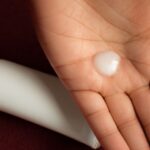
Moisturizing is crucial for managing dry skin acne. Incorporating a gentle, non-comedogenic moisturizer into your daily routine can help maintain hydration without clogging pores. Look for products containing ingredients like hyaluronic acid or glycerin, which attract moisture to the skin. Additionally, using a humidifier in your home can help maintain optimal humidity levels and prevent skin from becoming too dry.
Choosing the Right Skincare Products When selecting skincare products for dry skin with acne, it’s important to read labels carefully. Opt for gentle cleansers that do not strip the skin of its natural oils. Products containing salicylic acid or benzoyl peroxide can be effective for acne but should be used cautiously to avoid over-drying. It’s also beneficial to incorporate products with soothing ingredients, such as aloe vera or chamomile, to calm irritated skin.
What Are the Best Skincare Routines for Dry Skin and Acne?
Daily Skincare Routine Tips
Establishing a consistent skincare routine is key to managing dry skin and acne. Begin with a gentle cleanser to remove impurities without stripping moisture. Follow with a hydrating toner to prep the skin and restore balance. Apply a suitable moisturizer to lock in hydration, and consider using a spot treatment for any active breakouts. Always conclude your routine with a broad-spectrum sunscreen during the day to protect your skin from UV damage.
Ingredients to Look for in Skincare Products
For those with dry skin acne, certain ingredients can be particularly beneficial. Hyaluronic acid is an excellent choice for its hydrating properties. Niacinamide is another versatile ingredient that can help reduce inflammation and improve skin texture. Additionally, look for products containing ceramides, which help to strengthen the skin barrier and retain moisture. Avoid products with alcohol or synthetic fragrances, as these can exacerbate dryness and irritation.
Key takeaways: Understanding the link between dry skin and acne is crucial for effective treatment. Prioritize hydration through suitable moisturizers and carefully chosen skincare products to maintain healthy skin. Consistent skincare routines with the right ingredients can significantly improve the condition of dry skin with acne. As always, test new products on a small area to check for sensitivity, and consult with a dermatologist if you have concerns.




Leave a Reply