
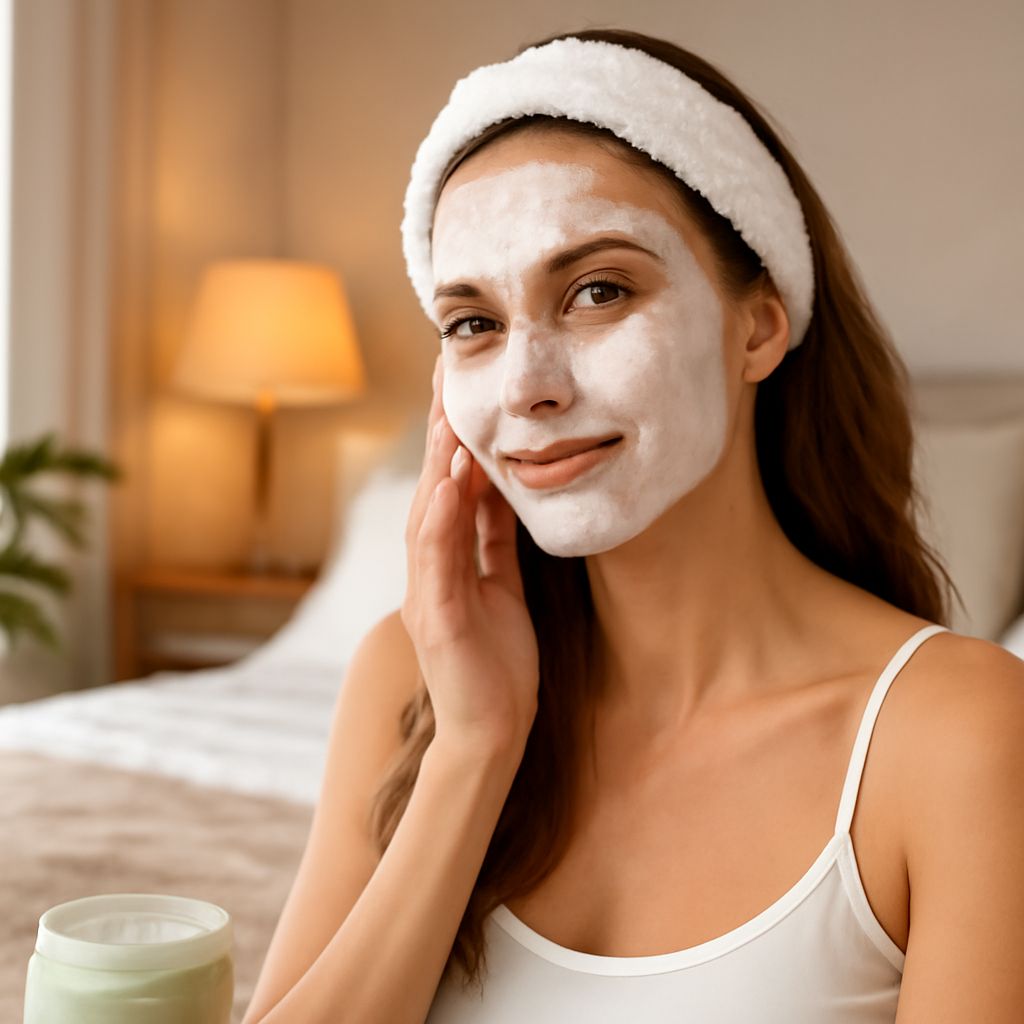
Acne is a common skin concern impacting millions worldwide, often leading individuals to seek effective homemade solutions for their skin troubles. Many turn to a DIY acne mask to naturally target blemishes and oily skin, opting for ingredients easily found in their kitchens. These homemade acne face masks not only promise a gentle and personalized approach to skincare but also offer natural solutions to achieve clearer skin without the harsh chemicals found in store-bought products.
Creating the best homemade face mask for acne can be a rewarding experience, offering cost-effective and tailored care for those with oily skin. By understanding the benefits and techniques involved, individuals can craft the perfect skincare routine that caters to their skin’s unique needs, providing an effective remedy to reduce acne and enhance overall skin health.
What Are the Benefits of a DIY Acne Mask?
Understanding the Ingredients
Homemade acne face masks utilize natural ingredients that are often gentler on the skin. Ingredients such as honey, which has antibacterial properties, and oatmeal, known for its soothing effect, play a crucial role in combating acne. These components can help reduce inflammation and redness, leading to clearer and healthier skin.
Why Choose DIY Over Store-Bought
Choosing a DIY acne mask over commercial products allows you to control the formulation, ensuring that only skin-friendly ingredients are used. Homemade masks eliminate the risk of harmful preservatives and artificial fragrances that can exacerbate skin issues. Additionally, DIY solutions are often more budget-friendly and customizable to meet individual skin needs.
How Do You Make a Homemade Acne Face Mask?
Essential Ingredients for Homemade Solutions
A successful homemade acne face mask often includes ingredients like clay, which absorbs excess oil, and apple cider vinegar, a natural toner. These components work in tandem to detoxify and balance the skin. Adding a touch of tea tree oil can boost the mask’s effectiveness, given its potent antibacterial properties.
Step-by-Step Guide to Making the Best Face Mask
To create an effective DIY acne mask, start by combining two tablespoons of clay powder with one tablespoon of apple cider vinegar. Mix until a smooth paste forms. Add a few drops of tea tree oil and apply the mixture to clean skin. Allow it to sit for 10-15 minutes before rinsing with warm water. This simple yet effective method can help manage acne-prone skin.
Which Homemade Face Mask is Best for Oily Skin?
Key Ingredients for Oily Skin
When targeting oily skin, ingredients such as lemon juice, which helps control oil, and yogurt, known for its moisturizing properties, are essential. These elements help maintain the skin’s natural balance without stripping it of necessary moisture.
Top Recipes for Homemade Face Masks
One effective recipe for oily skin involves mixing one tablespoon of yogurt with a teaspoon of lemon juice. This mask helps cleanse and hydrate the skin while controlling excess sebum. Another option is a combination of oatmeal and honey, which soothes and calms the skin while preventing oil build-up.
How Often Should You Use an Acne Face Mask DIY?
Recommended Usage Frequency
For optimal results, it is advisable to use a DIY acne mask two to three times a week. Consistent use ensures that the skin remains clear and balanced. However, overuse can lead to dryness or irritation, so it is crucial to monitor how your skin responds to regular application.
Tips for Maximum Effectiveness
To enhance the effectiveness of your homemade face masks, ensure that your skin is thoroughly cleansed before application. This allows for better absorption of the mask’s beneficial ingredients. Moreover, following up with a gentle moisturizer can help maintain hydration and prevent dryness.
What Precautions Should You Take Before Using a Homemade Face Mask for Acne and Oily Skin?
Patch Testing for Safety
Before applying any new mask, it is essential to perform a patch test. Apply a small amount of the mask to a discreet area, such as behind the ear, and wait 24 hours to check for any adverse reactions. This step is crucial to ensure the mask’s safety for your skin type.
Identifying Skin Reactions
While using homemade face masks, be attentive to any signs of irritation, such as redness or itching. If any adverse reactions occur, discontinue use immediately. Consulting a dermatologist can provide further guidance tailored to your skin concerns.
Safety Recap: When crafting and applying homemade acne face masks, always prioritize skin safety by conducting patch tests and using clean tools and containers to avoid contamination. These precautions ensure that your DIY skincare routine remains effective and safe for long-term use.




Leave a Reply