
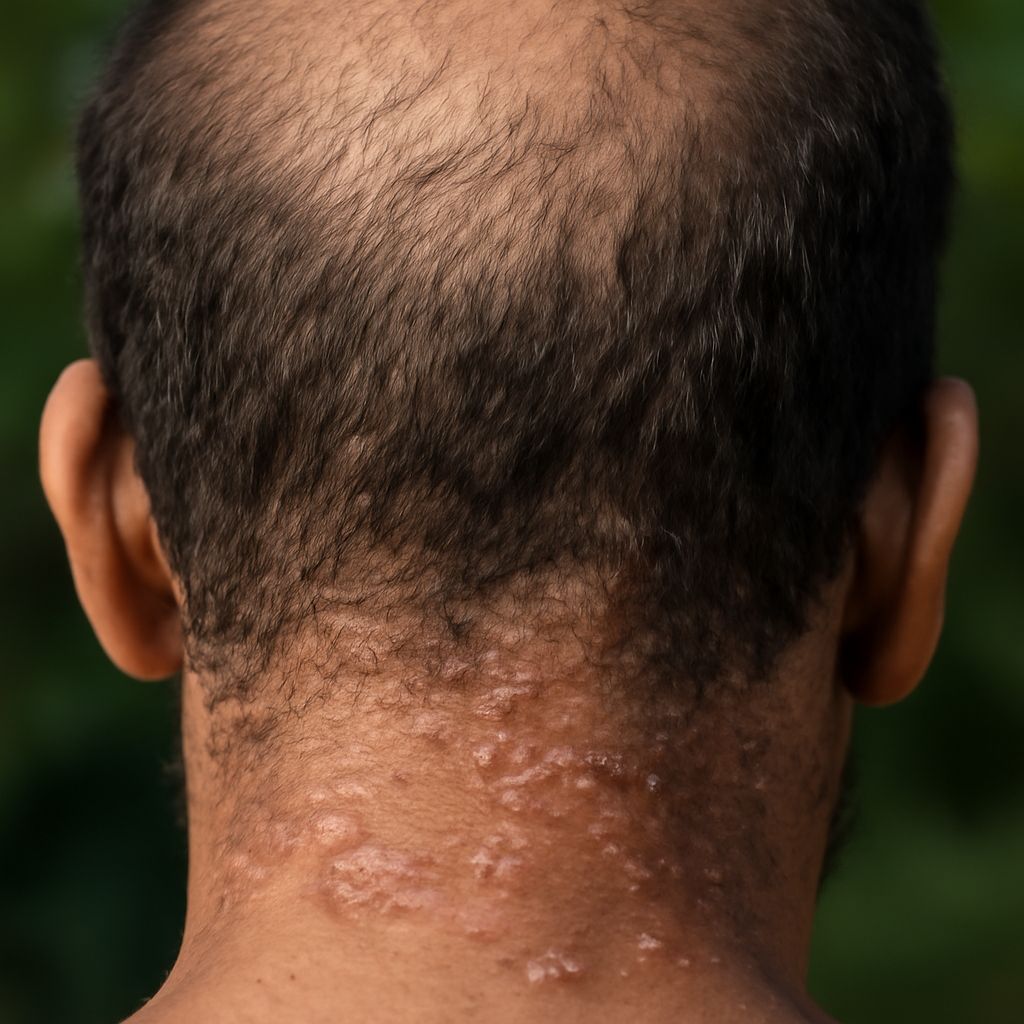
In the quest for smooth and clear skin, many individuals face the puzzling issue of acne after shaving. This common problem raises the question: does shaving cause acne? For those dealing with acne-prone skin, discovering effective solutions is crucial to maintaining healthy skin. By understanding the underlying causes and employing preventive measures, one can successfully manage and reduce shaving-related acne outbreaks.
Shaving can often lead to skin irritation and acne due to various factors such as improper technique, unsuitable products, or overlooked skin sensitivities. Exploring these elements will help you learn how to prevent acne from shaving and enhance your skincare routine.
Why Does Shaving Cause Acne?
Understanding Skin Irritation
Shaving can lead to skin irritation, which is a primary factor that might contribute to acne development. The irritation disturbs the skin’s natural barrier, potentially allowing bacteria to infiltrate and cause breakouts. This condition is exacerbated when shaving is performed hastily or without adequate preparation.
The Role of Razor Blades
Razor blades play a significant role in the connection between shaving and acne. Old or dull blades can tug and pull at the skin, leading to micro-tears that invite bacteria. New and sharp razors, when used correctly, minimize friction and reduce the chance of acne formation.
Impact of Shaving Creams
Shaving creams can also affect acne occurrence. Products that contain harsh chemicals or pore-clogging ingredients can irritate sensitive skin and exacerbate acne. Opting for non-comedogenic and hypoallergenic creams can alleviate these issues, providing a smoother shave with less risk of breakouts.
How to Prevent Acne From Shaving
Choosing the Right Razor
Selecting the right razor can make a difference in preventing acne. A high-quality, multi-blade razor can provide a closer shave with less irritation. It’s essential to choose a razor that matches your skin type and hair texture, ensuring a gentle shave that minimizes the risk of acne.
Using the Best Shaving Cream
Using the best shaving cream means finding one that suits your skin type and doesn’t contribute to acne. Look for products with soothing agents like aloe vera or tea tree oil, which can calm the skin and reduce inflammation. Avoid creams with alcohol or artificial fragrances that can dry out and irritate the skin.
Proper Shaving Technique
Proper shaving technique is crucial for preventing acne. Always shave in the direction of hair growth to minimize skin irritation. Maintain a gentle pressure and avoid going over the same area multiple times. Rinsing the razor frequently ensures clean blades and reduces bacteria transfer.
Shaving with Acne: Tips for Sensitive Skin
Pre-Shaving Skin Preparation
Preparing your skin before shaving can significantly reduce the risk of acne. Cleanse your face thoroughly to remove dirt and oil. Use a warm compress or steam to soften the hair, making it easier to shave with less irritation. This preparation step is particularly vital for those with sensitive or acne-prone skin.
Aftercare for Acne-Prone Skin
Aftercare is essential for individuals with acne-prone skin. Rinsing with cool water can calm the skin and close pores. Applying a gentle, alcohol-free aftershave or moisturizer can soothe irritation and hydrate the skin. It’s also beneficial to use products with salicylic acid or benzoyl peroxide to treat and prevent acne.
What to Do About Acne After Shaving?
Identifying Irritation vs. Acne
Understanding whether post-shaving bumps are due to irritation or acne is critical for effective treatment. Irritation often resolves quickly with moisturizing and soothing products, whereas acne may require more targeted skincare solutions. Pay attention to symptoms such as redness and swelling to differentiate between the two.
Effective Post-Shave Treatments
For effective treatment of acne after shaving, consider products with ingredients that target inflammation and promote healing. Tea tree oil, witch hazel, and green tea extract are known for their antibacterial and soothing properties. Regular exfoliation can also help prevent clogged pores and reduce the chances of acne.
Common Mistakes That Lead to Shaving Acne
Using Dull Blades
Using dull blades is a frequent mistake that leads to shaving acne. Ensure your razor is sharp and replace it regularly to avoid dragging the skin, which can cause irritation and lead to acne formation.
Ignoring Skin Type
Ignoring your skin type when choosing shaving products can result in acne. Select shaving creams and razors that are suited for your skin’s unique needs, and avoid products that can worsen sensitive skin or trigger allergic reactions.
Frequently Asked Questions About Shaving and Acne
Can shaving really cause acne? Yes, shaving can lead to acne due to irritation, bacterial exposure, and unsuitable shaving products.
How can I prevent razor bumps? Proper technique, using quality razors, and pre-shaving preparation can help prevent razor bumps.
Should I shave if I have active acne? It’s best to avoid shaving over active acne lesions, as this can exacerbate irritation and worsen the condition.
Bottom line: Shaving with acne-prone skin requires careful attention to technique, products, and aftercare to minimize irritation and prevent breakouts. By understanding the causes and implementing preventive measures, you can achieve a smoother shave without the worry of acne. Always patch test new products to avoid adverse reactions and consult a dermatologist if persistent acne occurs.



Leave a Reply