
Acne can be an overwhelming skin issue, affecting individuals both emotionally and physically. While conventional treatments are often effective, they may come with side effects that some wish to avoid. Enter essential oils—natural alternatives that offer promising results for acne, including cystic acne. Through diligent research and user experiences, the best essential oils for acne-prone skin have been identified, providing relief for pimples and blackheads without the harshness of synthetic chemicals.
In this guide, we’ll explore the most effective essential oils for various types of acne, their mechanisms, and how they can be safely incorporated into your skincare routine. With the right application, essential oils can offer a natural solution to achieving clearer skin.
What Are the Best Essential Oils for Acne?
Understanding How Essential Oils Work
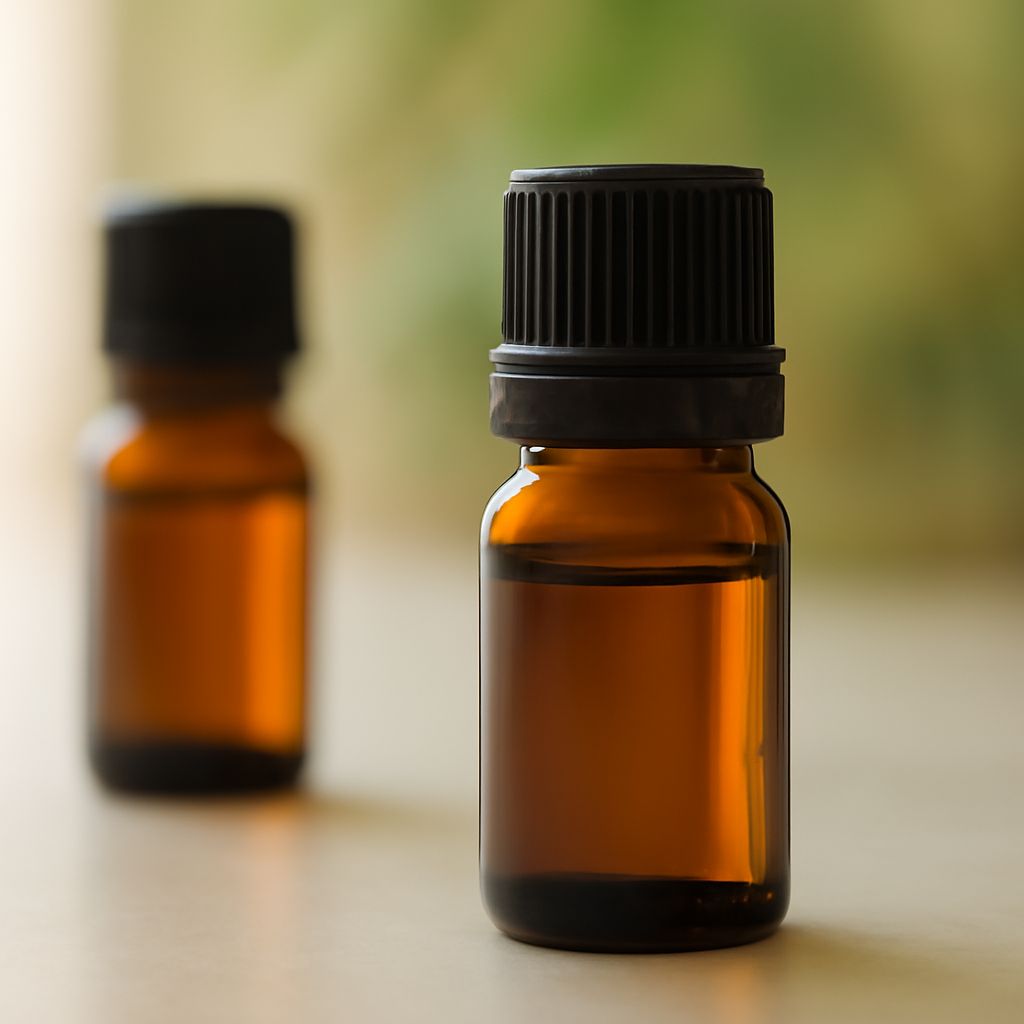
Essential oils are concentrated plant extracts known for their aromatic compounds, which provide various therapeutic benefits. They work by penetrating the skin and delivering their active ingredients to help reduce inflammation, bacteria, and oil production. The best essential oils for acne possess antimicrobial and anti-inflammatory properties, making them effective for treating acne-prone skin.
Top Essential Oils for Different Types of Acne
Some of the top essential oils for acne include tea tree oil, which is renowned for its antibacterial properties, and lavender oil, known for its soothing effects. For those battling cystic acne, oils like rosemary and clary sage prove beneficial due to their ability to regulate sebum production and reduce swelling.
How Do Essential Oils for Cystic Acne Work?
The Science Behind Essential Oils and Cystic Acne
Cystic acne is a more severe form of acne characterized by deep, inflamed breakouts. Essential oils target the root causes of cystic acne by reducing bacteria and inflammation. For instance, tea tree oil can penetrate the skin deeply to unclog pores and combat bacteria, while lavender oil helps in calming the irritated skin.
Top Picks for Treating Cystic Acne
Among the top picks for treating cystic acne are frankincense and chamomile essential oils. Frankincense has regenerative properties that promote healing of the skin, and chamomile offers powerful anti-inflammatory effects. These oils can be used as part of a regular skincare routine to help manage cystic acne effectively.
Which Essential Oil for Cystic Acne Is Most Effective?
Comparing Different Essential Oils
When comparing essential oils for cystic acne, tea tree oil often stands out due to its strong antibacterial properties. However, the effectiveness can vary based on individual skin types and conditions. Some may find oils like clary sage or rosemary more effective for their specific needs.
User Reviews and Experiences
User experiences with essential oils for acne can vary, but many report significant improvements in their skin condition. For example, users of tea tree oil often note a reduction in acne severity, while those using lavender oil appreciate its calming effects on irritated skin. It’s important to try different oils to find the most effective option for your skin.
Are Essential Oils Safe for Acne Prone Skin?
Safety Tips for Using Essential Oils
While essential oils are natural, they are highly concentrated and should be used with care. Dilution is key; essential oils should be mixed with a carrier oil before application to prevent skin irritation. Choosing quality, pure oils is also crucial for safety and efficacy.
Patch Testing and Sensitivity Concerns
Before using a new essential oil, it’s advisable to perform a patch test to check for any adverse reactions. Apply a small amount of the diluted oil to an area like the inside of your elbow and wait 24 hours to ensure there’s no irritation or allergic response.
Can Essential Oils Help with Pimples and Blackheads?
Best Essential Oils for Pimples
For treating pimples, essential oils like thyme and oregano are highly effective. These oils possess strong antimicrobial properties that can help eliminate the bacteria causing acne.
Effective Oils for Blackhead Removal
When it comes to blackheads, essential oils like lemongrass and peppermint work by penetrating the pores and loosening the dirt and oil trapped inside. Regular use can lead to clearer skin and fewer blackhead formations.
How to Use Essential Oils Effectively for Acne
Application Methods
Effective application methods include steam treatments, facial sprays, and topical applications. For a steam treatment, add a few drops of oil to a bowl of hot water, drape a towel over your head, and inhale deeply.
DIY Recipes and Blends
DIY recipes like combining lavender and tea tree oil with a carrier oil like jojoba can create a powerful acne-fighting serum. Experimenting with different blends can help customize a routine suited to your skin’s needs.
Frequency and Dosage Recommendations
It’s recommended to start with a lower frequency and gradually increase as your skin adjusts. Applying essential oils once or twice a day is typically sufficient for most skin types.
What Precautions Should Be Taken When Using Essential Oils?
Potential Side Effects
Potential side effects can include skin irritation or allergic reactions, especially if oils are used undiluted. Always adhere to recommended dilution ratios and consult a dermatologist if you have concerns.
Consulting with a Dermatologist
Consulting with a dermatologist is advisable, especially for individuals with severe acne or those new to essential oils. Professional guidance can help tailor your skincare routine to ensure safety and effectiveness.
Safety Recap: To ensure the safe use of essential oils, always perform a patch test and dilute oils properly before applying them to your skin. Consulting with a dermatologist can provide additional guidance tailored to your specific skin needs.




Leave a Reply