Thyroid issues, such as hypothyroidism and hyperthyroidism, can have a profound impact on various bodily functions, including the skin. For many individuals, the question arises: can hypothyroidism cause acne? The connection between thyroid disorders and skin problems is complex. Understanding this link is crucial for addressing conditions like thyroid acne, a specific type of skin issue that can emerge due to thyroid imbalances. In this article, we will explore how conditions like hypothyroid skin and hyperthyroidism acne manifest, offering insights and solutions for those affected.
What is Hypothyroidism and How Does it Affect the Skin?
Understanding Hypothyroidism
Hypothyroidism is a condition in which the thyroid gland does not produce enough thyroid hormones. These hormones are vital for regulating metabolism, and their deficiency can lead to various health problems. The thyroid’s role is critical in maintaining a balance in bodily functions, including skin health.
Common Symptoms of Hypothyroidism
Symptoms of hypothyroidism can range from fatigue, weight gain, and depression to more visible signs like dry skin and brittle hair. When the thyroid gland underperforms, it affects the body’s ability to regenerate and repair skin cells, leading to what is often referred to as hypothyroid skin.
Hypothyroid Skin: What You Need to Know
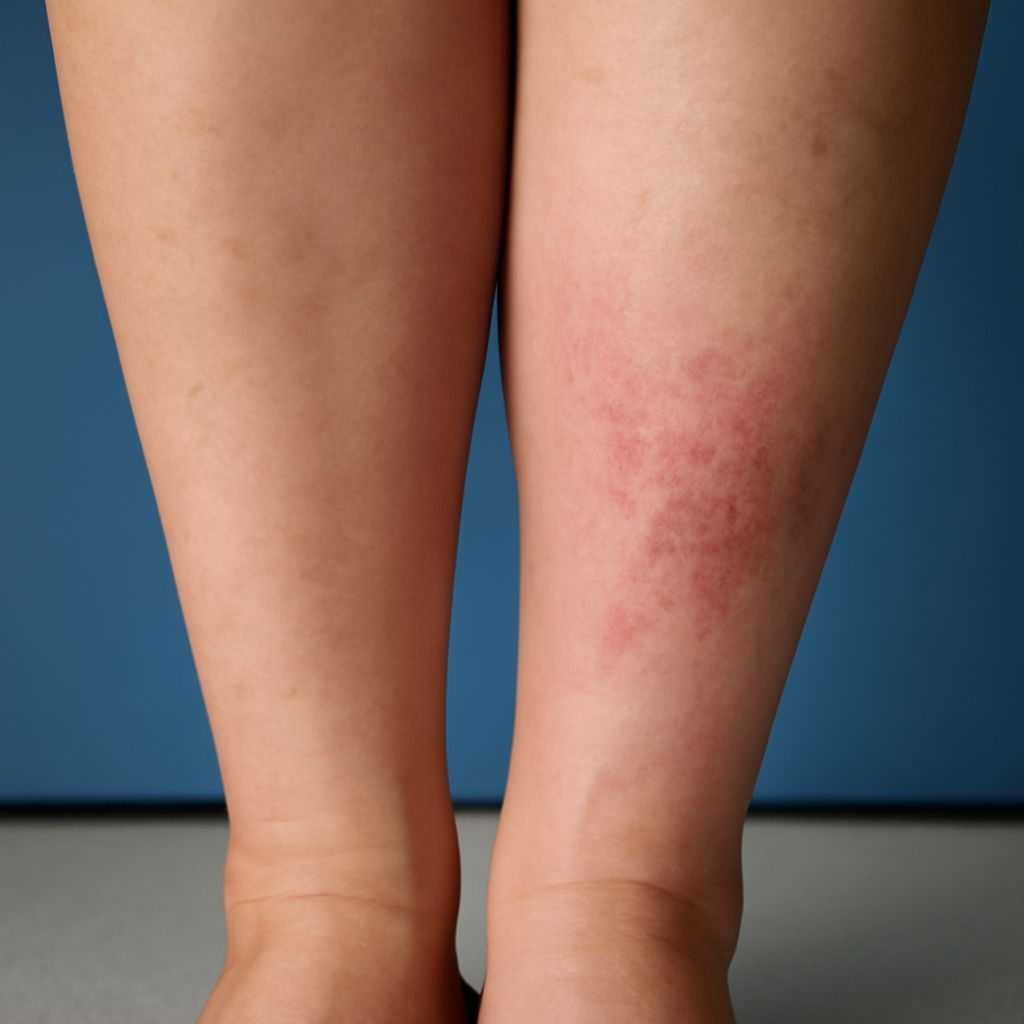
Hypothyroid skin is characterized by dryness, roughness, and a pale or yellowish hue. These skin changes occur because low thyroid hormone levels slow down the body’s cellular turnover and repair mechanisms. This condition can also exacerbate or lead to acne, particularly when not managed effectively.
Can Hypothyroidism Cause Acne?
The Link Between Hypothyroidism and Acne
While not everyone with hypothyroidism will develop acne, there is a notable connection due to hormonal imbalances. Insufficient thyroid hormone levels can lead to increased sebum production, clogged pores, and inflammation, all of which are precursors to acne development.
Hormonal Imbalances and Skin Health
Hormones play a crucial role in skin health. When the thyroid gland is unable to produce adequate hormones, it disrupts the balance of other hormones, such as androgens, which can trigger acne. Addressing these hormonal imbalances is essential for managing thyroid-related skin issues.
Understanding Thyroid Acne: Causes and Symptoms
What is Thyroid Acne?
Thyroid acne is a term used to describe acne that develops due to thyroid dysfunctions. It typically presents as inflammatory lesions on the face, back, and chest, similar to other types of acne, but is linked to underlying thyroid hormone issues.
Identifying Thyroid Acne Symptoms
Symptoms of thyroid acne include persistent blemishes that do not respond well to typical acne treatments, as well as skin changes associated with thyroid dysfunction, such as dryness or scaliness. Recognizing these symptoms is key to receiving appropriate treatment.
How Thyroid Acne Differs from Other Acne Types
Unlike regular acne, thyroid acne often coexists with other symptoms of hormonal imbalance, including irregular menstrual cycles in women and changes in weight or mood. This multifaceted presentation can help differentiate it from acne unrelated to thyroid issues.
Exploring the Connection Between Hyperthyroidism and Acne
Hyperthyroidism Acne: An Overview
Hyperthyroidism, the opposite of hypothyroidism, occurs when the thyroid gland is overactive and produces excess hormones. This overproduction can lead to hyperthyroidism acne, characterized by oily skin and frequent breakouts due to increased oil production.
How Hyperthyroidism Affects Skin
In hyperthyroidism, the surplus of thyroid hormones increases metabolic and skin cell activity, resulting in oily skin and enlarged pores, which can foster acne development. Understanding these effects is crucial for those managing hyperthyroid conditions and related skin issues.
How Can Thyroid Problems Cause Acne?
The Role of Hormones in Acne Development
Thyroid hormones significantly influence other hormonal pathways, including those that regulate sebum production and skin cell regeneration. Disruptions in these pathways due to thyroid problems can lead to acne, making it essential to address the hormonal aspects of thyroid health.
Managing Acne Related to Thyroid Issues
Managing thyroid-related acne involves a combination of balancing hormone levels and addressing skin-specific concerns. This approach may include thyroid medication, dietary adjustments, and skin care regimens aimed at reducing inflammation and preventing clogged pores.
Treatment Options for Thyroid-Related Acne
Medical Treatments for Thyroid Acne
Medical approaches to treating thyroid acne generally focus on restoring thyroid hormone balance. This may involve the use of levothyroxine for hypothyroidism or other medications to regulate thyroid hormone levels, as well as topical treatments to manage acne symptoms.
Lifestyle Changes to Improve Skin Health
Incorporating lifestyle changes, such as a balanced diet rich in nutrients that support thyroid function, regular exercise, and stress management, can improve overall skin health and help control thyroid-related acne. Avoiding known acne triggers, such as certain foods or skincare products, is also beneficial.
When to See a Doctor
Consulting a healthcare professional is crucial if you suspect thyroid-related acne or if current treatments are ineffective. A doctor can provide a thorough evaluation, perform necessary tests to confirm thyroid imbalances, and recommend appropriate medical interventions.
Key takeaways: Understanding the link between thyroid disorders and acne can help in managing skin health effectively. Addressing hormonal imbalances through medical treatment and lifestyle changes is essential for those experiencing thyroid-related skin issues. Always consult a healthcare professional for comprehensive evaluation and treatment.




Leave a Reply