
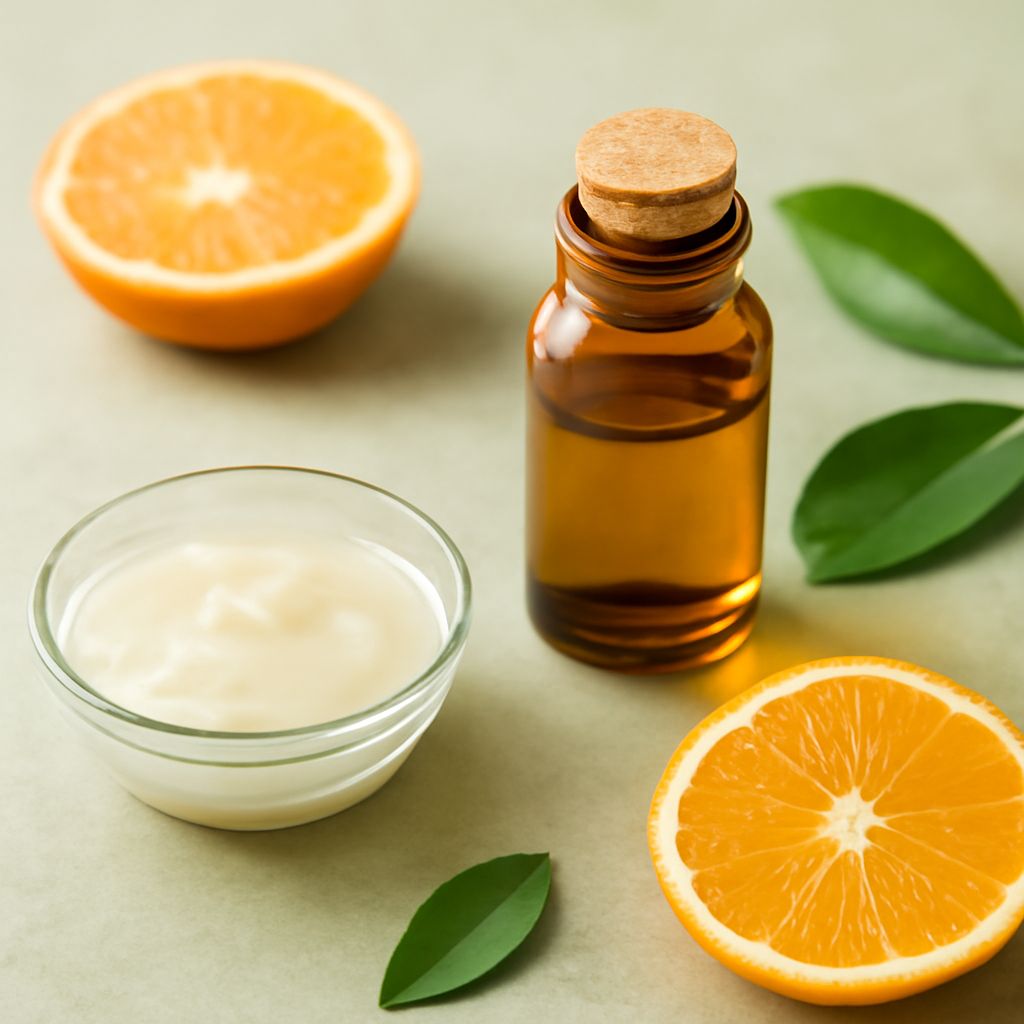
Struggling with persistent acne and searching for natural solutions can be frustrating. Many people have turned to lemon for acne treatment due to its natural properties and potential benefits. Using lemon juice for acne scars has gained popularity because of its natural bleaching abilities that might help in reducing the appearance of scars. Understanding how lemon on acne works and its effects on your skin can guide you in deciding whether this remedy suits your needs.
As we explore the benefits and applications of lemon for acne, it’s crucial to consider the precautions and potential risks involved with its use. By knowing how to effectively incorporate lemon into your skincare routine, you can harness its potential while safeguarding your skin’s health.
How Does Lemon for Acne Work?
The Science Behind Lemon’s Effectiveness
Lemon contains citric acid, a type of alpha hydroxy acid (AHA), which is known for its exfoliating properties. This natural acid helps in shedding dead skin cells, thereby unclogging pores and reducing the risk of acne outbreaks. The acidic nature of lemon also offers astringent properties, which can help decrease oil production, a common contributing factor to acne.
Benefits of Using Lemon for Acne
Using lemon as a part of your acne treatment can provide multiple benefits. It not only helps in exfoliating but also offers skin-brightening benefits due to its vitamin C content. This vitamin is a powerful antioxidant that aids in skin repair and rejuvenation, promoting a clearer complexion. Additionally, lemon’s natural antibacterial properties may help reduce the bacteria that often contribute to acne formation.
Can Lemon Juice Help with Acne Scars?
How Lemon Juice Fades Acne Scars
Lemon juice is often used for fading acne scars due to its natural bleaching effect. The citric acid present in the juice helps to lighten dark spots and hyperpigmentation over time. By consistently applying lemon juice, users might notice a more even skin tone, as the juice works to gradually fade the appearance of scars.
Precautions When Using Lemon Juice
While lemon juice can be beneficial, it’s essential to use it with caution. The acid can be harsh on sensitive skin, leading to irritation or even chemical burns if not used properly. Always conduct a patch test before applying it to larger areas, and consider diluting the juice with water to reduce its potency. It’s also important to wear sunscreen, as lemon juice can increase photosensitivity, leading to sunburn or further pigmentation.
What Are the Best Ways to Use Lemon on Acne?
DIY Lemon Treatments for Acne
Creating DIY lemon treatments at home is a straightforward way to incorporate this natural remedy into your skincare routine. You can apply freshly squeezed lemon juice directly to affected areas using a cotton ball. Leave it on for a few minutes before rinsing it with lukewarm water. Always start with a small duration to assess skin tolerance and gradually increase contact time as needed.
Combining Lemon with Other Ingredients
For enhanced effects, lemon can be combined with other natural ingredients. Mixing lemon juice with honey can provide additional antibacterial benefits and reduce the risk of over-drying. Alternatively, combining lemon with yogurt can offer a soothing effect while also providing probiotics and additional exfoliation. These combinations allow you to tailor the treatment to your skin’s specific needs.
Are There Risks of Using Lemon for Acne Scars?
Potential Side Effects
Despite its natural origin, using lemon for acne scars carries potential side effects. Skin irritation, redness, and dryness are common reactions, especially for those with sensitive skin. In some cases, improper use can lead to more severe issues such as chemical burns or increased pigmentation.
How to Minimize Risks
To minimize risks, it’s advisable to use lemon treatments sparingly and always follow up with a moisturizer. Diluting the juice and conducting a patch test can help prevent adverse reactions. Additionally, integrating sunscreen into your daily routine is essential to protect against increased UV sensitivity. Consulting with a dermatologist before beginning any new treatment is also a wise step to ensure it aligns with your skin type and concerns.
Key takeaways: Lemon can be a helpful natural remedy for acne and acne scars due to its exfoliating and brightening properties. However, caution is required to avoid irritation and adverse effects. Always test on a small skin area first and consider professional advice for optimal results and safety.




Leave a Reply