
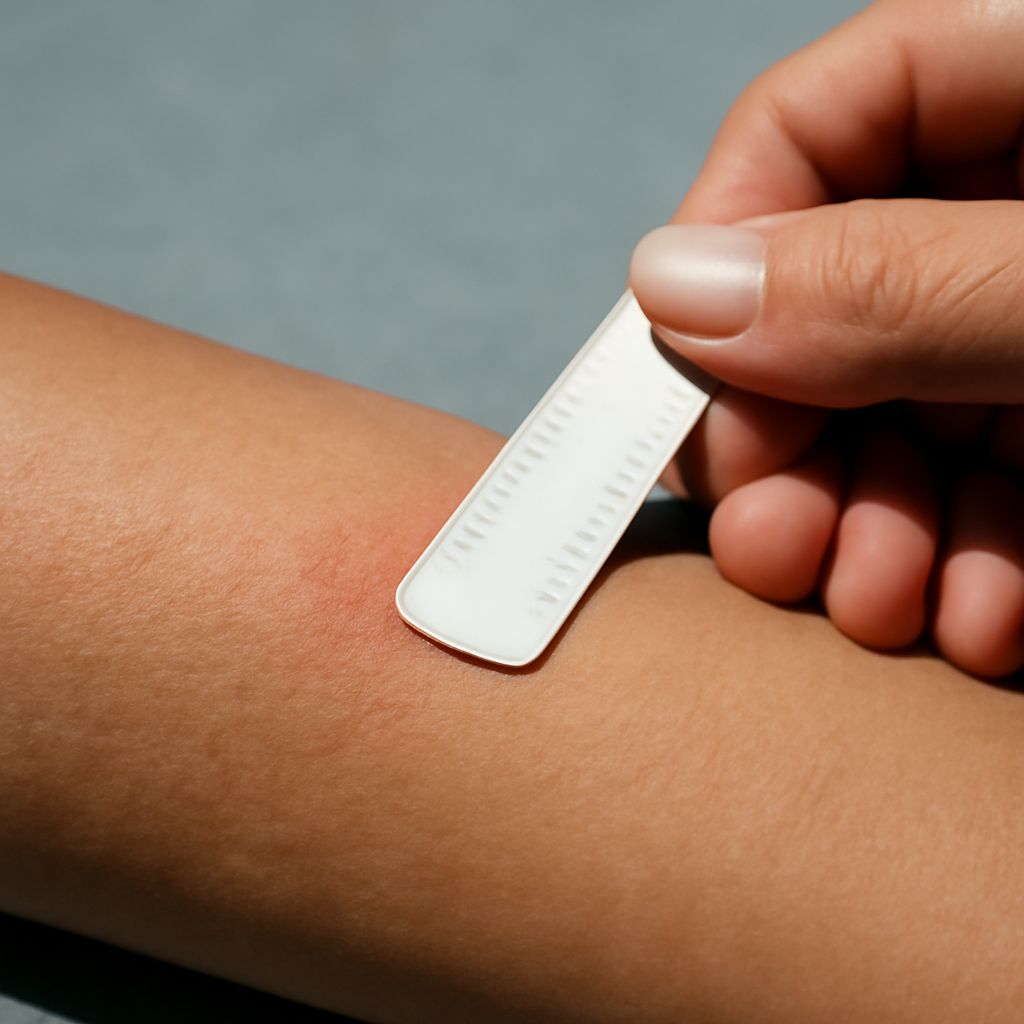
Tuberculosis (TB) remains a significant global health challenge, with millions affected annually. To manage and control this disease, early detection is crucial. A common method to screen for TB infection is the tuberculin skin test (TST). However, interpreting the results can sometimes be confusing. Understanding the difference between a TB skin test positive vs negative result is essential for determining the next steps. A negative TB skin test provides a sense of relief for many, but it’s important to comprehend what does a negative TB skin test look like and what it truly signifies.
For individuals at risk or those in specific occupations, knowing the implications of a TST is vital. While a positive TB skin test indicates the need for further testing, a negative result can often be misunderstood. This article will explore the nuances of interpreting both outcomes, helping you make informed decisions about your health.
What Is a TB Skin Test?
Overview of the Tuberculin Skin Test
The Tuberculin Skin Test (TST), commonly referred to as the Mantoux test, is a diagnostic tool used to detect TB infection. It involves the injection of a small amount of tuberculin purified protein derivative (PPD) into the skin, typically on the forearm.
Purpose of TB Skin Testing
This test aims to identify individuals who have been exposed to or infected with Mycobacterium tuberculosis, the bacterium responsible for tuberculosis. It is especially important in high-risk populations, including healthcare workers and those in close contact with TB patients.
How the Test Is Conducted
During the procedure, a small needle is used to inject PPD beneath the skin. After 48 to 72 hours, the injection site is examined for a reaction, such as induration or swelling, which can indicate infection.
What Does a Negative TB Skin Test Look Like?
Interpreting a Negative Result
A negative TB skin test typically presents as no significant swelling or induration at the injection site. The absence of a reaction suggests that the individual is unlikely to have a current TB infection.
K1 and Its Significance
The key indication of a negative result is the lack of measurable induration. This generally signifies that the person’s immune system did not recognize the PPD antigen, often meaning no TB infection. However, exceptions exist, such as in cases of compromised immune systems.
Common Misconceptions about Negative Results
Many people misconstrue a negative TB skin test as an absolute assurance of no infection. However, factors like recent exposure or immunosuppression can lead to false negatives. It’s important to discuss results with a healthcare provider, especially if symptoms persist.
A Positive TB Skin Test Indicates What?
Understanding Positive Results
A positive TB skin test suggests that the person has been infected with the TB bacteria. This is indicated by a specific level of induration at the test site, varying based on risk factors and medical history.
K2: Next Steps After a Positive Test
If a TB skin test returns positive, further evaluation is necessary, including a chest X-ray or sputum test, to confirm active infection and determine the appropriate treatment.
False Positives: What You Need to Know
False positives can occur, particularly in those who have had a Bacillus Calmette-Guérin (BCG) vaccination. A thorough assessment by a healthcare provider is crucial to distinguish between true infection and test anomalies.
TB Skin Test Positive vs Negative: Key Differences
Visual Differences Between Positive and Negative Tests
While a positive result shows notable induration, a negative test typically lacks any swelling or only shows minimal reaction. Correct interpretation is vital for accurate diagnosis.
Clinical Implications of Each Result
A negative result often indicates no TB infection, allowing the individual to continue their routine activities. Conversely, a positive result necessitates further investigation to rule out active TB disease.
K3: Factors Affecting Test Outcomes
Several factors can influence the outcome of a TB skin test, including recent infections, immune status, and previous vaccinations. Understanding these can aid in accurate result interpretation.
What Should You Do After Receiving Your TB Skin Test Results?
Steps to Take After a Negative Test
If your TB skin test is negative, monitoring symptoms and consulting healthcare providers if risks change is advisable. It’s also important to maintain routine health checks.
Actions Required for a Positive Test
Upon receiving a positive result, adhere to healthcare providers’ advice for further testing and potential preventative treatment to manage and prevent TB spread.
When to Seek Further Medical Advice
Seek additional medical guidance if you experience TB symptoms, regardless of your test outcome. Persistent cough, fever, or weight loss warrant professional evaluation.
FAQs on TB Skin Test Results
Common Questions on K4 and K5
People often question the accuracy and reliability of skin tests. Both false negatives and false positives can occur, emphasizing the need for comprehensive assessments.
Addressing Concerns About Test Accuracy
Understanding the limitations of the test and potential influencing factors can alleviate concerns. Discussing results with a knowledgeable health practitioner can provide clarity and direction.
Safety Recap: When interpreting TB skin test results, it’s crucial to consider health history and potential exposure risks. If you have concerns about the accuracy of your results or experience any TB-related symptoms, consult your healthcare provider promptly to ensure your well-being.




Leave a Reply