
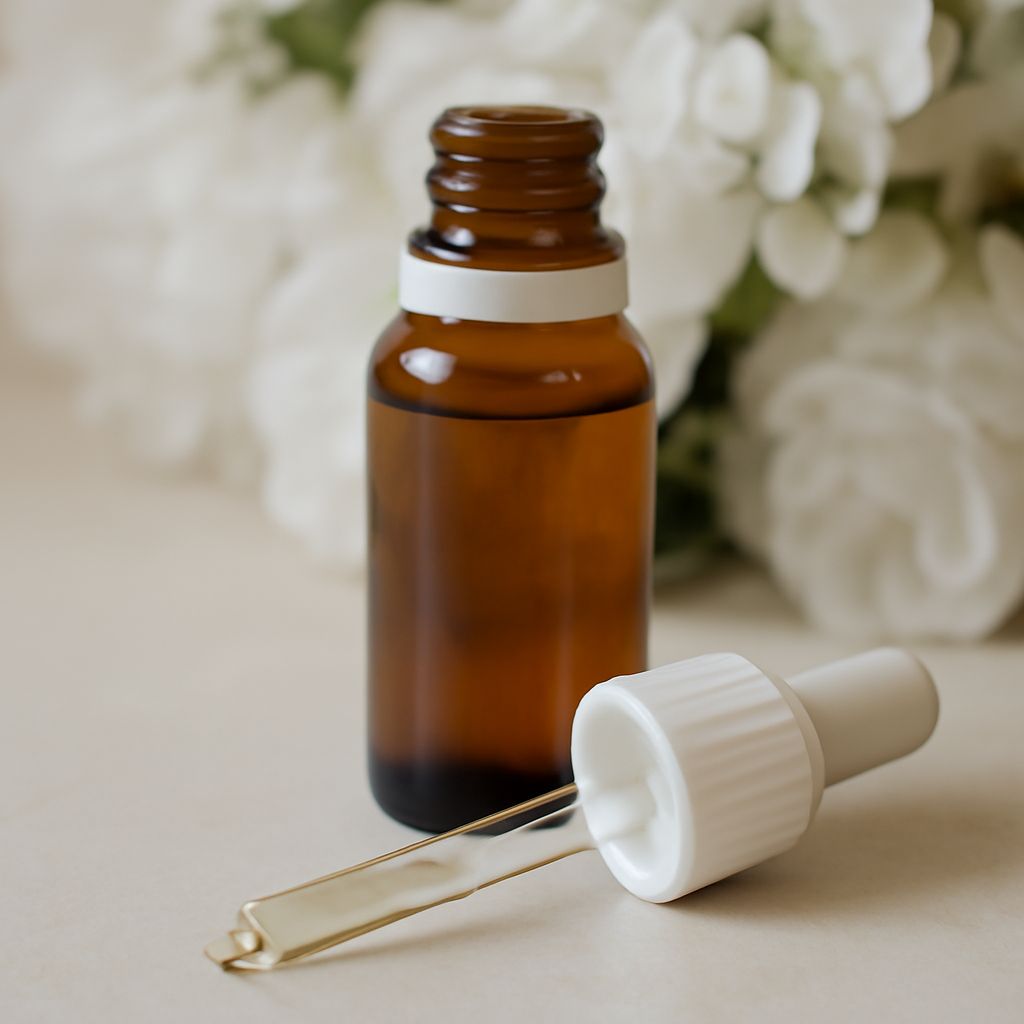
Acne is a common skin concern that affects many individuals, often leading them on a quest for effective treatments. Discovering a natural, gentle solution is a priority. Argan oil acne treatment has emerged as a popular choice, thanks to its nourishing properties and potential to alleviate skin issues. This article explores how vitamin E oil for acne scars and other benefits answer the question: is argan oil good for acne?
While numerous skincare products promise relief from pimples and blemishes, finding one that suits sensitive skin can be challenging. Argan oil, rich in essential nutrients, offers a promising alternative. It addresses various aspects of acne treatment, from reducing inflammation to promoting healing, making it an invaluable part of a dermatologist-approved skincare routine.
What Makes Argan Oil Effective for Acne?
The Composition of Argan Oil
Argan oil is a powerhouse of beneficial compounds. It contains a high concentration of antioxidants, essential fatty acids, and vitamin E, all of which contribute to its efficacy in treating acne. These components work together to support skin health by reducing inflammation, providing moisture, and improving the skin’s overall texture.
How Argan Oil Reduces Acne Symptoms
The natural anti-inflammatory properties of argan oil help soothe irritated skin, reducing redness and swelling associated with acne. By maintaining skin moisture levels without clogging pores, argan oil prevents the excessive sebum production that often leads to breakouts.
Scientific Studies on Argan Oil and Acne
Research has demonstrated the effectiveness of argan oil in treating acne. Studies show its ability to reduce sebum levels and improve the appearance of acne scars. The presence of linoleic acid helps regulate oil production and promotes the healing of acne-damaged skin.
How Does Argan Oil Compare to Vitamin E Oil for Acne Scars?
Benefits of Vitamin E Oil for Acne Scars
Vitamin E oil is renowned for its skin-repairing abilities. It aids in the healing process by reducing the appearance of scars and encouraging skin regeneration. Its antioxidant properties protect the skin from further damage, making it a favored choice for scar treatment.
Comparative Analysis: Argan Oil vs. Vitamin E Oil
While both oils offer benefits for acne-prone skin, argan oil’s unique combination of fatty acids and vitamin E provides a broader spectrum of advantages. Argan oil not only targets scars but also addresses inflammation and hydration, making it a more comprehensive solution for acne management.
User Experiences and Testimonials
Many users have reported noticeable improvements in their skin after consistent use of argan oil. Testimonials highlight its ability to reduce acne severity and enhance skin health, often outperforming vitamin E oil in terms of overall skin improvement.
Is Argan Oil Good for Acne-Prone Skin?
Understanding Acne-Prone Skin
Acne-prone skin requires gentle, non-comedogenic products that help maintain balance without aggravating existing conditions. Argan oil, known for its lightweight consistency, fits this requirement perfectly, making it suitable for daily use.
Argan Oil’s Role in Skin Hydration
Hydration is key to preventing acne breakouts. Argan oil provides essential moisture without leaving a greasy residue. Its ability to nourish and hydrate the skin helps restore the skin’s natural barrier, further reducing the likelihood of acne formation.
Potential Side Effects and Considerations
While argan oil is generally safe for all skin types, individuals with nut allergies should exercise caution. Patch testing prior to application can prevent adverse reactions. Consulting a dermatologist before introducing new skincare products is advisable.
How to Use Argan Oil for Acne Treatment?
Step-by-Step Guide
To maximize the benefits of argan oil, start by cleansing your face thoroughly. Apply a few drops of argan oil to your fingertips, and gently massage it into your skin, focusing on areas affected by acne. Allow the oil to absorb before applying other skincare products.
DIY Argan Oil Treatments
Combine argan oil with other natural ingredients for enhanced benefits. Mixing it with tea tree oil or aloe vera can amplify its acne-fighting properties. These treatments can be applied as a mask or used as a spot treatment for breakouts.
Frequency and Dosage Recommendations
For optimal results, use argan oil twice daily—morning and night. A few drops are sufficient for each application, ensuring the skin receives adequate nourishment without becoming oily.
What Do Experts Say About Argan Oil and Acne?
Dermatologist Insights
Dermatologists often recommend argan oil as part of a holistic acne treatment plan due to its ability to soothe and improve skin appearance. Its gentle nature makes it suitable for sensitive skin, providing both therapeutic and aesthetic benefits.
Comparative Studies and Findings
Research comparing various natural oils highlights argan oil’s superior ability to reduce acne symptoms while promoting skin health. Its balanced composition offers a unique combination of benefits unmatched by other oils.
Long-term Benefits of Using Argan Oil
Consistent use of argan oil can lead to long-term improvements in skin clarity and texture. Its nourishing properties ensure that skin remains resilient against future breakouts, promoting a healthier complexion overall.
Can Argan Oil Prevent Future Acne Breakouts?
Preventative Measures
Incorporating argan oil into your daily skincare routine can prevent future acne breakouts. By maintaining hydration and regulating sebum production, it helps keep skin balanced and less prone to developing new acne lesions.
Combining Argan Oil with Other Treatments
For enhanced results, pair argan oil with other acne treatments. Combining it with salicylic acid or benzoyl peroxide can boost its effectiveness while ensuring comprehensive acne management.
Lifestyle and Dietary Considerations
Maintaining a healthy lifestyle and diet supports skin health. Diet rich in antioxidants and omega-3 fatty acids complements the use of argan oil, reducing inflammation and promoting clearer skin.
Pro Tips Recap: Argan oil is a versatile and effective treatment for acne-prone skin. Its natural composition supports healing and hydration, making it a valuable addition to skincare routines. Always perform a patch test before use, consult a dermatologist if needed, and consider combining it with other treatments for optimal results.




Leave a Reply