
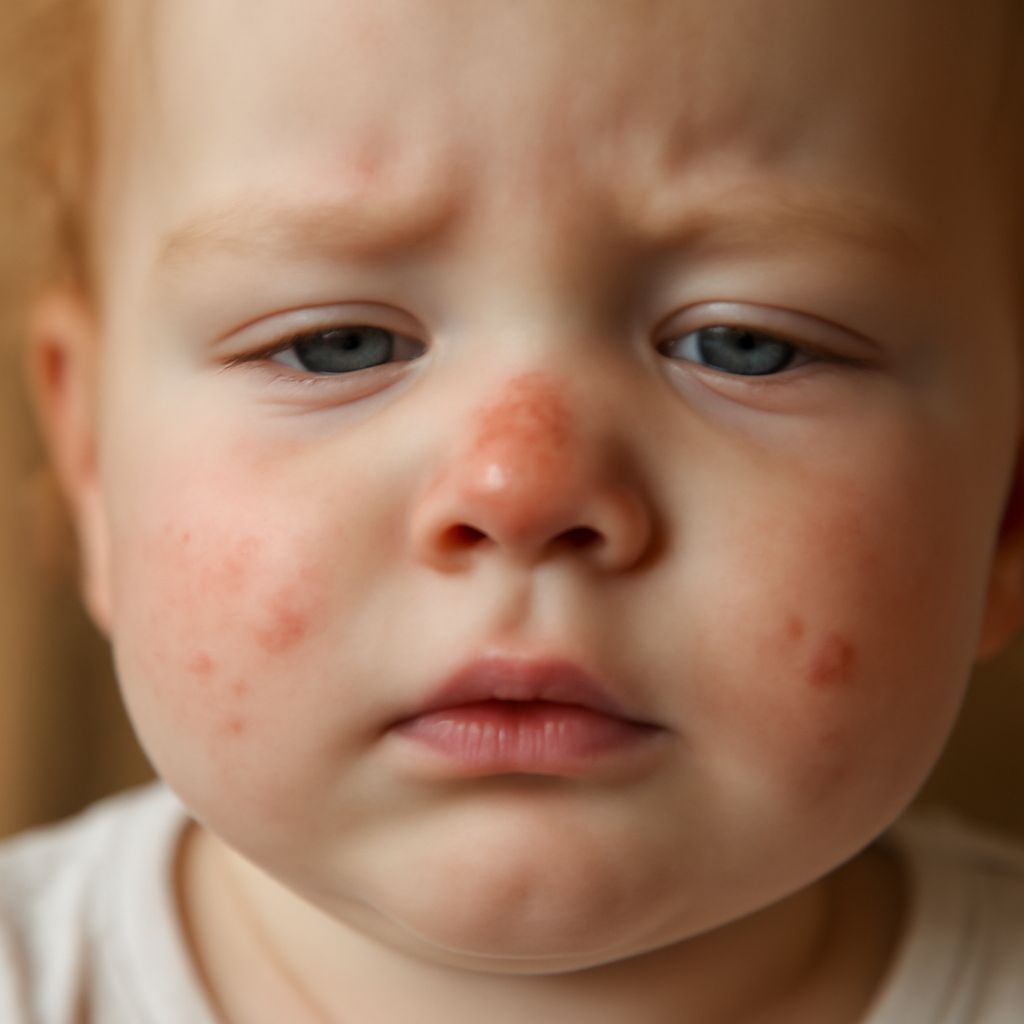
When caring for your child’s delicate skin, it is crucial to distinguish between baby eczema and baby acne, as each condition requires unique management and treatment approaches. Understanding these differences can help prevent discomfort and potential complications in your baby’s skin. In this article, we will explore the distinctions between baby eczema and acne, offer diagnostic tips, discuss treatment options, and look at how similar procedures like microdermabrasion and chemical peels can aid adults with their skin issues.
What are the Key Differences Between Baby Eczema and Baby Acne?
Understanding Baby Eczema
Baby eczema, also known as atopic dermatitis, is a common inflammatory skin condition characterized by dry, itchy, and red patches on the skin. It often appears within the first six months of a child’s life and can be influenced by genetic and environmental factors. Unlike acne, eczema may be chronic and often requires ongoing management to control flare-ups and prevent skin infections.
Identifying Baby Acne
Baby acne typically manifests as small red or white bumps on a baby’s face, especially the cheeks, nose, and forehead. It is a temporary condition caused by maternal hormones and usually resolves within a few weeks to months without treatment. Unlike eczema, acne is not typically itchy or uncomfortable for the baby.
Common Symptoms and Triggers
While baby eczema can be triggered by irritants such as soaps, fragrances, and changes in weather, baby acne is primarily hormonally driven. Symptoms of eczema include dry, scaly patches, while acne presents as pimples or pustules. Recognizing these key differences is essential for effective treatment and management.
How to Diagnose Your Baby’s Skin Condition?
Consulting a Pediatric Dermatologist
For an accurate diagnosis, it is recommended to consult a pediatric dermatologist. They can examine the skin and provide guidance on the best treatment options. A professional diagnosis ensures that you address the correct condition, preventing unnecessary treatments that might aggravate your child’s skin.
DIY Methods for Initial Identification
Parents can perform initial assessments by observing the affected areas. Note the texture, location, and any potential triggers. While DIY methods can provide clues, they should not replace professional medical advice, especially if the condition worsens or fails to improve.
What Are the Treatment Options for Baby Acne and Eczema?
At-Home Care and Remedies
For baby eczema, keeping the skin moisturized is crucial. Use fragrance-free, hypoallergenic lotions and avoid known irritants. For baby acne, gentle cleansing with water and mild baby soap is often sufficient. Most baby acne resolves on its own, so minimal intervention is required.
When to Seek Medical Treatment
If eczema patches become infected or baby acne appears severe and persistent, medical intervention may be necessary. A pediatrician may recommend medicated creams or further evaluation to prevent complications. Always seek medical advice if you are unsure about the best approach.
Are There Long-Term Effects of Baby Eczema or Acne?
Potential Complications
While baby acne rarely results in long-term issues, untreated eczema can lead to skin infections and may increase the risk of developing other allergic conditions, such as asthma or hay fever. Early and effective management is key to minimizing these risks.
Preventive Measures
Preventive measures for eczema include maintaining hydration of the skin, avoiding known allergens, and dressing your baby in breathable fabrics. For acne, prevention is largely unnecessary as it resolves naturally, although gentle skin care practices can help maintain healthy skin.
How Do Microdermabrasion and Chemical Peels Compare?
Understanding Microdermabrasion
Microdermabrasion is a cosmetic procedure that gently exfoliates the skin’s surface. It can improve skin texture and tone and is often used to treat facial skin concerns in adults. This procedure is generally considered safe but should be performed by a qualified professional to avoid irritation or damage.
Exploring Chemical Peels
Chemical peels involve applying a chemical solution to the skin, causing it to exfoliate and eventually peel off. This reveals new, regenerated skin that is typically smoother and less wrinkled. Chemical peels can address more pronounced skin issues but may require a longer recovery time.
Pros and Cons of Each Treatment
Microdermabrasion is less invasive, with shorter recovery times, making it suitable for those seeking a quick refresh. Chemical peels, while offering deeper rejuvenation, involve more downtime and carry a higher risk of side effects. Both treatments should be selected based on skin type and desired results.
When Should Adults Consider Chemical Peel vs Microdermabrasion?
Choosing the Right Treatment for Your Skin Type
For oily or acne-prone skin, microdermabrasion may be the better choice as it unclogs pores and promotes skin renewal. For individuals with sun damage or acne scars, chemical peels may provide more significant improvements. It’s essential to consult a dermatologist to tailor the treatment to your skin’s specific needs.
Expected Results and Recovery Time
Microdermabrasion typically requires minimal recovery, with skin appearing refreshed shortly after the treatment. Chemical peels, depending on their strength, might require several days to a couple of weeks for full recovery. Results vary based on the depth and type of peel chosen. Always discuss potential side effects and outcomes with a skincare professional.
Pro tips recap: Always differentiate baby eczema from acne for effective treatment. For adults, choose between microdermabrasion vs chemical peel based on skin type and goals. Safety first—consult professionals for both baby and adult treatments to avoid complications.




Leave a Reply