
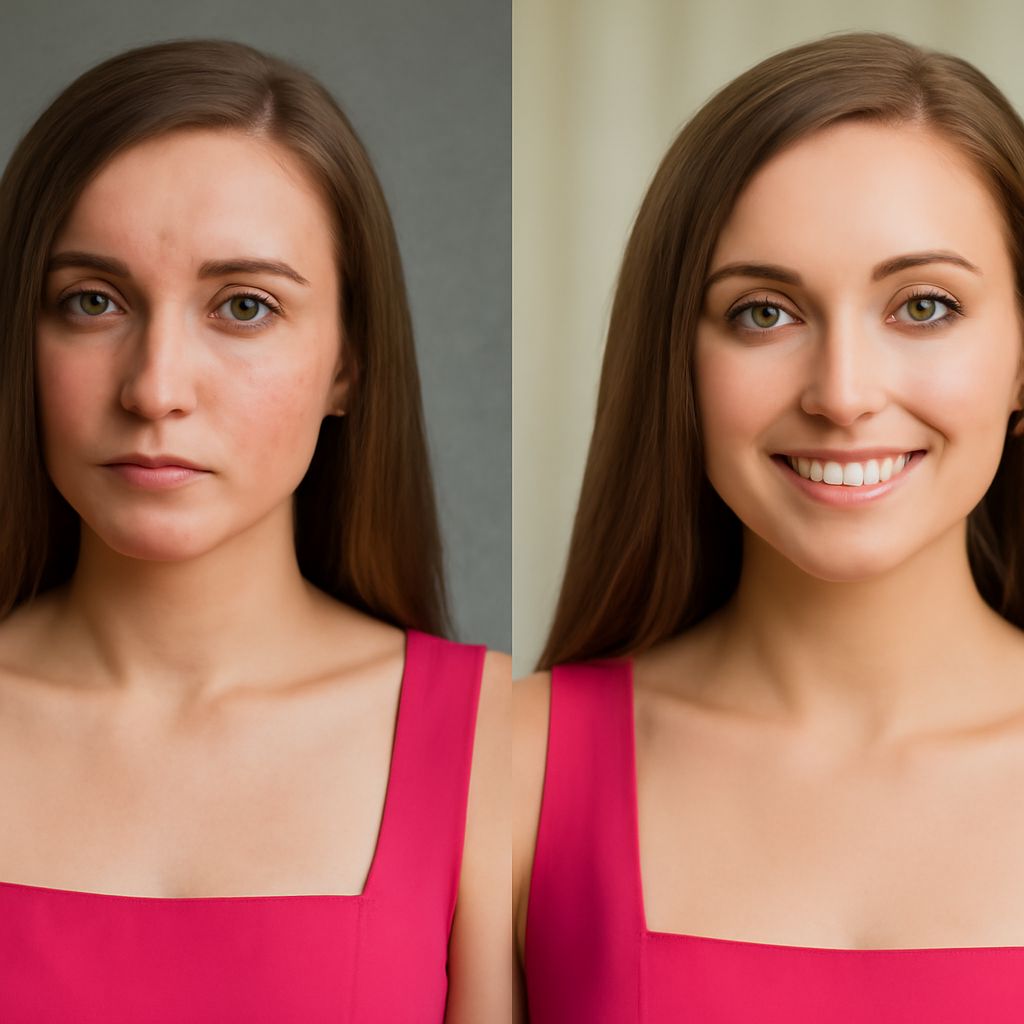
Acne can be a persistent and frustrating skin condition that affects individuals of all ages. While there are numerous treatments available, finding an effective solution that also improves skin hydration can be challenging. Enter hyaluronic acid, a skincare ingredient renowned for its hydrating properties. Many are now turning to hyaluronic acid for acne solutions, as it not only helps in reducing the appearance of scars but also enhances overall skin health. This comprehensive guide will delve into how hyaluronic acid impacts acne and explore the best facial for acne scars to optimize your skincare routine.
What is Hyaluronic Acid?
Understanding Hyaluronic Acid
Hyaluronic acid is a naturally occurring substance in the body, primarily found in connective tissues, skin, and eyes. It plays a crucial role in retaining moisture, which contributes to plump, hydrated skin. As we age, the natural production of hyaluronic acid decreases, leading to dryness and loss of elasticity.
How Hyaluronic Acid Works
This molecule acts as a humectant, attracting water from the environment and deeper layers of the skin to the surface. Its ability to hold up to 1000 times its weight in water makes it an excellent hydrator, ensuring skin remains moisturized and resilient.
How Does Hyaluronic Acid Help with Acne?
Benefits of Hyaluronic Acid for Acne
Hyaluronic acid is beneficial for acne-prone skin due to its lightweight, non-comedogenic nature. It hydrates without clogging pores, reducing the potential for new breakouts. Additionally, it supports the skin barrier, aiding in the healing process of active acne.
Scientific Evidence Supporting Hyaluronic Acid for Acne
Research indicates that hyaluronic acid can improve skin texture and reduce the severity of acne lesions. Its anti-inflammatory properties help calm irritated skin, making it a valuable component in acne treatment plans.
Common Myths About Hyaluronic Acid Acne
One common misconception is that hyaluronic acid causes acne due to increased hydration. However, it does not contribute to oil production or pore-clogging. Instead, it provides necessary moisture, often reducing the occurrence of breakouts.
Is Hyaluronic Acid Effective for Acne Scars?
Hyaluronic Acid for Acne Scars: The Science
For those struggling with acne scars, hyaluronic acid can play a pivotal role in treatment. It promotes collagen synthesis, which can improve skin texture and reduce the appearance of scars over time.
Success Stories of Hyaluronic Acid for Acne Scars
Numerous individuals have experienced significant improvements in their acne scars after incorporating hyaluronic acid into their routine. Regular use can lead to smoother, more even skin, enhancing overall complexion.
Facials for Acne Scars: Which is Best?
Different Types of Facials for Acne Scars
Facials specifically targeting acne scars include chemical peels, microdermabrasion, and laser treatments. Each method varies in intensity and results, depending on the severity of the scars.
Best Facial for Acne Scars: Expert Recommendations
Experts often recommend combining hyaluronic acid treatments with microneedling or chemical peels for optimal results. These facials stimulate collagen production and improve skin texture, working synergistically with hyaluronic acid to enhance healing.
How to Incorporate Hyaluronic Acid into Your Skincare Routine
Choosing the Right Hyaluronic Acid Products
Select products with high concentrations of hyaluronic acid and minimal additives. Serums are often the most effective form, allowing for deeper penetration into the skin.
Step-by-Step Guide to Using Hyaluronic Acid
- Start with a clean face, using a gentle cleanser suited for your skin type.
- Apply a hydrating toner to prep the skin and improve absorption.
- Use a hyaluronic acid serum or moisturizer, ensuring even application across the face.
- Seal in moisture with a non-comedogenic moisturizer, followed by sunscreen during the day.
Potential Side Effects and Precautions
Possible Side Effects of Hyaluronic Acid
Hyaluronic acid is generally safe, but some may experience mild irritation or allergic reactions. Conduct a patch test prior to full application, especially if you have sensitive skin.
Who Should Avoid Hyaluronic Acid?
Individuals with known allergies to hyaluronic acid or its derivatives should avoid its use. Those with severe skin conditions should consult a dermatologist before incorporating new products.
Frequently Asked Questions about Hyaluronic Acid and Acne
FAQs on Hyaluronic Acid for Acne
Q: Can hyaluronic acid be used with other acne treatments?
A: Yes, it can be paired with treatments like retinoids or benzoyl peroxide to enhance hydration and reduce irritation.
FAQs on Hyaluronic Acid Acne Scars
Q: How long does it take to see results for acne scars?
A: Results vary, but consistent use over several weeks to months is generally required for visible improvement.
Safety Recap: When using tools or chemical treatments for acne scars, exercise caution. Always follow the product instructions and consult with professionals to ensure skin safety and health.




Leave a Reply