
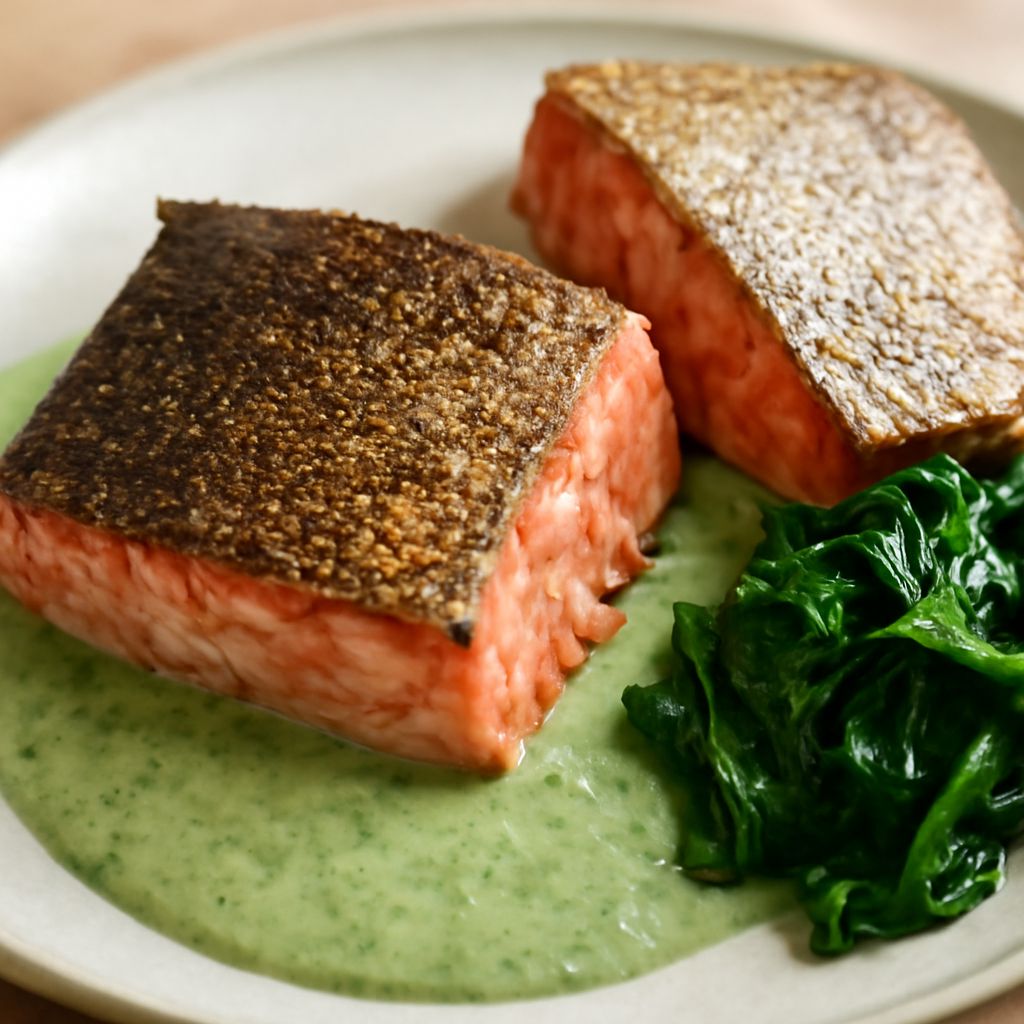
It’s common to feel puzzled when trying to differentiate between loose skin and fat, especially after significant weight changes. Understanding the unique nature of each can help in deciding the appropriate measures to restore a firm and toned appearance. Whether you’ve recently lost weight or are planning to, knowing the difference between loose skin and fat is crucial for achieving your body goals. In this article, we will explore these differences and offer solutions, including a delicious salmon skin recipe to support your journey towards healthier skin.
What is Loose Skin and How Does it Form?
Loose skin is an often inevitable outcome of weight loss, rapid weight gain, or pregnancy where the skin cannot return to its original elasticity. The skin is a living organ, and its ability to stretch and retract heavily depends on the availability of collagen and elastin fibers. When these fibers are damaged or weakened due to stretching, the skin fails to rebound entirely, resulting in sagging or loosened skin.
Environmental factors, age, and genetics also play significant roles in skin elasticity. While improvements in skin care can enhance appearance, understanding the root causes of loose skin is essential for addressing it effectively.
What is Fat and How Does it Develop?
Fat, or adipose tissue, accumulates when the body stores excess calories for future energy use. This can be due to poor dietary choices, lack of exercise, or a metabolic imbalance. Unlike skin, fat resides deeper in the body and serves as a crucial energy reserve and insulation layer.
While some body fat is necessary for health, excessive fat accumulation can lead to various health issues, such as obesity, diabetes, and cardiovascular diseases. Addressing excess fat often requires a combination of dietary alterations and physical activity.
How to Differentiate Between Loose Skin vs Fat
Identifying whether you’re dealing with loose skin or excess fat is vital to choosing the correct intervention. A simple pinch test can often aid in differentiation: when you pinch the area and it feels thin and moves easily, it’s likely loose skin. If it’s thicker and denser, it may be excess fat. Observing the area when you shift positions can also help; loose skin will visibly sag, while fat remains more stationary.
Additionally, consulting with a healthcare provider can offer more clarity and personalized advice, particularly if you’re uncertain about the nature of the changes in your body.
Common Misconceptions: Fat vs Loose Skin
A common misconception is that loose skin and fat are interchangeable, but they are distinct with different causes and treatments. Another myth is that weight loss will always lead to loose skin. While skin elasticity varies among individuals, it is not solely determined by weight loss. Regular moisturizing, hydration, and gradual weight reduction can often help minimize the risk of significant loose skin.
Dietary Tips for Firming Skin
What Role Does Nutrition Play?
Nutrition plays a crucial role in maintaining skin health and elasticity. Consuming foods rich in vitamins C and E, zinc, and selenium can promote collagen production, which is essential for firm skin. Antioxidant-rich foods like berries, nuts, and leafy greens also combat oxidative stress, which can weaken skin structure.
How Can a Salmon Skin Recipe Help?
Incorporating a salmon skin recipe into your diet can be particularly beneficial due to its high omega-3 content, which supports skin elasticity. Omega-3 fatty acids help maintain skin hydration and the structural integrity of cell membranes, making the skin more resilient and less prone to sagging.
To prepare a simple salmon skin dish, bake or grill the skin with a touch of olive oil, lemon juice, and herbs for a tasty, skin-boosting meal. Enjoying this regularly can contribute to an overall healthier skin appearance.
When to Consider Professional Advice
If you’re dealing with persistent loose skin or significant fat deposits that affect your confidence or health, it may be worthwhile to seek professional advice. Dermatologists and nutritionists can provide tailored recommendations, and, in some cases, surgical interventions may be considered for optimal results. Safety is paramount, so always consult qualified professionals before making significant changes to your health regimen.
Next steps: By understanding the differences between loose skin and fat, you can make informed decisions about your health and appearance. Begin by evaluating your dietary habits, incorporating omega-3-rich foods like salmon, and maintaining a regular exercise routine to improve skin tone and reduce excess fat. If necessary, seek professional guidance to explore advanced treatment options. Your journey to better skin health starts with informed choices and consistent care.




Leave a Reply