
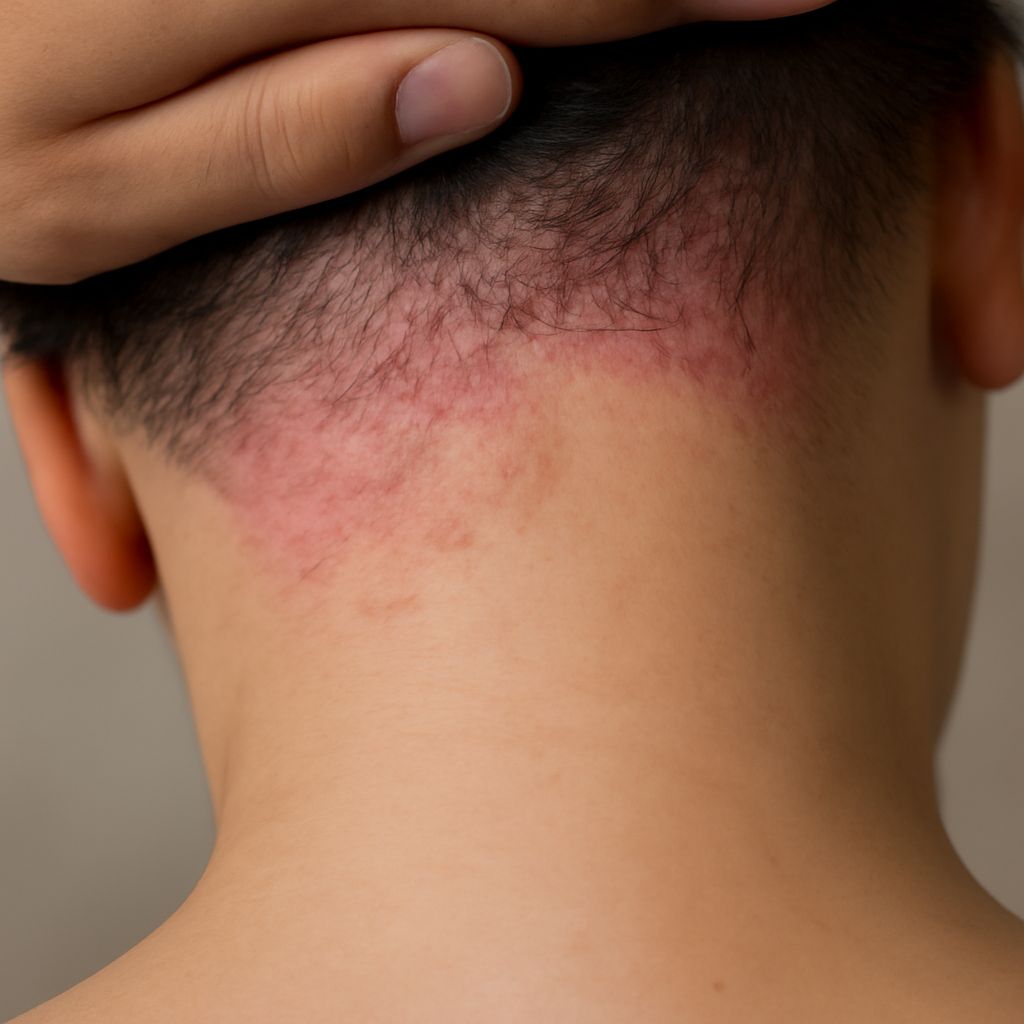
Finding sticky tar clinging stubbornly to your skin can be a frustrating experience. Whether you’ve accidentally stepped in it or encountered it during a roofing project, knowing how to effectively remove tar from skin is essential. Fortunately, there are safe and reliable methods available that make it easier to lift this sticky substance without causing harm. This article will guide you on how to remove tar from skin using household items and specialized products, explore if essential oils can assist in the process, and offer tips to soothe skin afterward.
Why Does Tar Stick to Skin?
Tar’s adhesive nature is due to its thick, resinous composition, which allows it to bond tightly with surfaces, including human skin. This oily substance is a byproduct of the petroleum industry and contains sticky polymers, making it particularly challenging to remove. When tar contacts skin, its dense texture adheres firmly, often requiring more than just soap and water to dissolve. Understanding why tar sticks is the first step in effectively addressing its removal from your skin.
How to Get Tar Off Skin Using Household Items
Many common household items can be remarkably effective in removing tar from skin. One popular method involves using cooking oil or butter; these fatty substances can help dissolve tar’s sticky polymers, making it easier to wipe away. Simply apply a small amount of oil or butter to the affected area, gently rub it in, and then wipe it off with a cloth. Following this, wash the area with soap and warm water to remove any oily residue.
Another option is to use baking soda and water to create a gentle exfoliating paste. This paste can be massaged onto the tar-covered skin, providing a mild abrasive action that helps lift the tar. Rinse thoroughly after use to remove all traces.
What Are the Best Products for Removing Tar from Skin?
If household items don’t suffice, several commercial products are designed specifically to remove tar from skin. Tar-removal creams or wipes are readily available and formulated to break down tar without damaging the skin. Look for products labeled as safe for skin use to ensure they do not contain harsh chemicals that could irritate.
Additionally, some skin-safe solvents, such as mineral spirits or rubbing alcohol, can be effective. Apply a small amount to a cloth and gently rub the tar off, ensuring you follow up with thorough rinsing and moisturizing to prevent dryness.
Can Essential Oils Help Remove Tar and Tighten Skin?
Essential oils are sometimes recommended for their therapeutic properties, including their ability to help remove tar and tighten skin. Oils such as eucalyptus or tea tree have natural solvent properties that can aid in breaking down tar. Apply a few drops to a cotton ball and gently dab onto the affected area. Allow it to sit for a few minutes before wiping away with a clean cloth. These oils not only assist in tar removal but also help in tightening and nourishing the skin afterward.
However, be cautious with essential oils, especially if you have sensitive skin. Always perform a patch test on a small skin area to ensure there’s no adverse reaction prior to full application.
How to Soothe Skin After Removing Tar
Once tar is successfully removed, the skin may feel irritated or dry. It’s crucial to soothe and hydrate it to restore its natural balance. Applying a moisturizer or aloe vera gel can provide the necessary hydration. Products containing chamomile or calendula can also help calm any redness or irritation.
If the skin feels excessively dry, an overnight application of a thick, fragrance-free moisturizer can help replenish lost moisture. Drinking plenty of water will also aid in maintaining skin hydration from the inside out.
Preventing Future Tar Contact with Skin
Preventing tar from contacting your skin in the first place can save a lot of effort. When working in environments where tar is present, wear gloves and long sleeves to create a barrier. If you are walking in areas where tar spills are possible, such as near construction sites, remain vigilant and avoid stepping in any dark, sticky patches.
Regularly check footwear and clothing for any signs of tar and clean them promptly to avoid transferring tar to your skin.
Safety recap: Always handle cleaning products and sharp tools with care. If you experience skin sensitivity, consult a dermatologist before trying new removal methods. Use products labeled safe for skin and perform patch tests when using essential oils.

Leave a Reply